Cholecystitis: Bloating, Abdominal Pain, and Discomfort May
Medical Care

Dr. Tanes Puapornpong
Department of Surgery
The Impression Of Patients
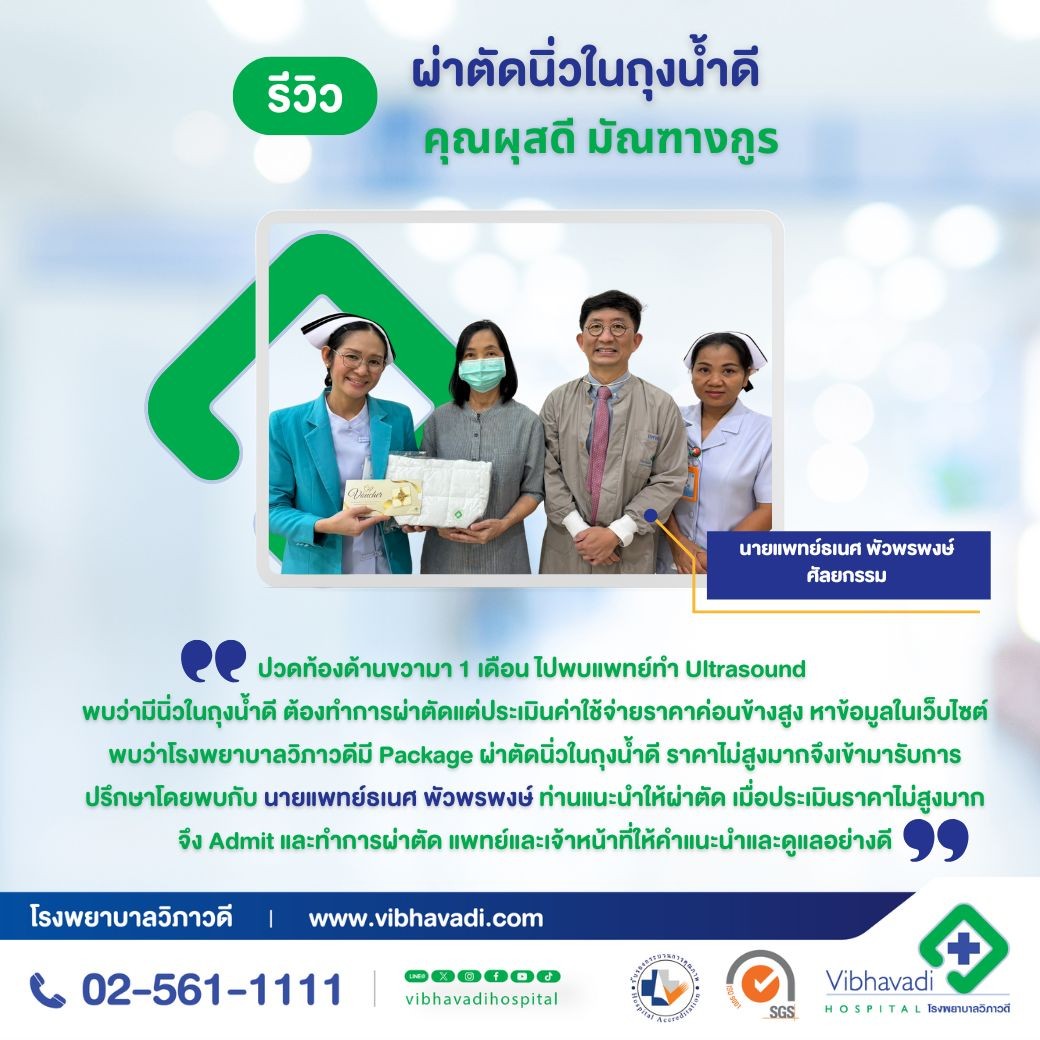
Review of gallstone surgery at Vibhavadi Hospital: real experiences and advice from the medical team.
.jpeg) Cholecystitis often begins with abdominal pain after eating a heavy meal or foods high in fat. It can be an important warning sign of a digestive system disorder. Cholecystitis is a common condition, and in most cases, it is caused by gallstones blocking the gallbladder. The symptoms can sometimes resemble ordinary indigestion or bloating, but if left undiagnosed and untreated, the condition may lead to serious complications, including gallbladder rupture, which can become life-threatening.
Cholecystitis often begins with abdominal pain after eating a heavy meal or foods high in fat. It can be an important warning sign of a digestive system disorder. Cholecystitis is a common condition, and in most cases, it is caused by gallstones blocking the gallbladder. The symptoms can sometimes resemble ordinary indigestion or bloating, but if left undiagnosed and untreated, the condition may lead to serious complications, including gallbladder rupture, which can become life-threatening.
Key Takeaways
- Cholecystitis is an inflammation of the gallbladder. More than 90% of cases are caused by gallstones obstructing the cystic duct, leading to bile buildup and subsequent infection.
- The most common symptom is severe pain in the upper right abdomen, which may radiate to the right shoulder or back. Symptoms often worsen after consuming high-fat meals.
- Cholecystitis can become life-threatening if complications such as gallbladder rupture or bloodstream infection occur. Patients experiencing symptoms should seek medical attention promptly.
- Treatment typically involves controlling the infection and inflammation with antibiotics. The definitive treatment is surgical removal of the gallbladder (cholecystectomy).
- Cholecystitis can often be prevented by maintaining a healthy weight and following a low-fat diet to reduce the risk of gallstone formation, the leading cause of the condition.
Table of Contents
What Are the Two Types of Cholecystitis?
What Are the Symptoms of Cholecystitis?
How Is Cholecystitis Diagnosed?
Treatment Options for Cholecystitis
How Can Cholecystitis Be Prevented?
Cholecystitis Symptoms Can Be Easy to Overlook — Seek Medical Attention Before Complications Occur
Frequently Asked Questions About Cholecystitis Symptoms
What Is Cholecystitis?
Cholecystitis is a condition characterized by inflammation of the gallbladder wall. The gallbladder’s primary function is to store and concentrate bile before releasing it into the small intestine to aid in the digestion of fats. In most cases, gallbladder disease occurs when gallstones block the cystic duct.
Cholecystitis can develop either acutely or chronically, with varying degrees of severity depending on the underlying mechanism and duration of the condition. If gallstone obstruction persists for an extended period, pressure can build up within the gallbladder, potentially leading to serious complications.
What Are the Two Types of Cholecystitis?
.jpeg)
Cholecystitis can be classified into two main types based on the nature and severity of the condition. Understanding these types helps physicians determine the most appropriate treatment approach.
Chronic Cholecystitis
Chronic cholecystitis is a condition in which inflammation of the gallbladder occurs repeatedly or persists over a long period. It is commonly caused by small gallstones that intermittently block the gallbladder outlet. Over time, the gallbladder wall may become thickened, hardened, and scarred.
This chronic inflammation can impair gallbladder function and may be associated with a condition known as gallbladder calculi without cholecystitis, where gallstones are present in the gallbladder without causing acute inflammation.
Acute Cholecystitis
Acute cholecystitis is a sudden inflammation of the gallbladder, most commonly caused by a gallstone completely blocking the cystic duct. This blockage increases pressure inside the gallbladder and leads to bile accumulation, which can trigger inflammation and secondary bacterial infection.
Symptoms of acute cholecystitis are often severe and require prompt medical attention and treatment.
What Are the Symptoms of Cholecystitis?
.jpeg)
Symptoms of cholecystitis can vary depending on whether the condition is acute or chronic. However, the most common warning signs that patients should watch for include:
- Severe pain in the upper right abdomen (Right Upper Quadrant Pain). In cases caused by gallstones, the pain is often one of the earliest and most noticeable symptoms. It typically lasts for more than 6 hours and may radiate to the right shoulder or back.
- Abdominal pain that worsens after eating fatty foods. Fatty meals stimulate the gallbladder to contract and release bile, but when a gallstone blocks the bile duct, the resulting pressure can trigger significant pain.
- High fever and chills, which may indicate an accompanying infection. These symptoms are commonly seen in severe cases of acute cholecystitis.
- Nausea and vomiting, which frequently occur alongside intense abdominal pain.
- Jaundice (yellowing of the skin and eyes). This symptom may develop when gallstones move and block the bile ducts, causing bile to accumulate and leading to jaundice.
- Bloating and indigestion. These symptoms are more commonly associated with chronic cholecystitis and may occur alongside persistent digestive discomfort and recurrent bloating.
What Causes Cholecystitis?
There are several factors that can contribute to the development of cholecystitis, but more than 90% of cases are caused by gallstones obstructing the gallbladder and interfering with the normal flow of bile.
- Gallstones: Cholecystitis most commonly occurs when gallstones block the cystic duct, which is the passage through which bile exits the gallbladder. This obstruction causes bile to accumulate, leading to inflammation. Gallstones typically form from deposits of cholesterol or bilirubin and are by far the most common cause of the condition.
- Bacterial infection: Infections often occur after a gallstone obstruction. Bacteria from the small intestine may enter the stagnant bile within the gallbladder, leading to infection and, in some cases, the formation of pus.
- Acalculous Cholecystitis: This less common form of cholecystitis accounts for approximately 5–10% of cases. Unlike typical cholecystitis, it is not caused by gallstones. Instead, it is often associated with severe illness, major trauma, bloodstream infections, or prolonged intravenous feeding, all of which can impair blood flow to the gallbladder and cause inflammation.
How Is Cholecystitis Diagnosed?
Diagnosing cholecystitis requires a combination of medical history assessment, physical examination, and diagnostic tests to confirm the condition and determine its severity. Common diagnostic methods include:
- Medical history and physical examination: The doctor will ask about the patient’s symptoms and assess for tenderness or pain in the right upper abdomen to help identify the source of discomfort.
- Blood tests: These tests are used to check for elevated white blood cell counts, which may indicate infection, as well as abnormal liver enzyme levels that could suggest bile duct obstruction.
- Ultrasound examination: Ultrasound is the primary imaging method used to diagnose cholecystitis. It can detect gallstones, assess thickening of the gallbladder wall, and identify gallbladder enlargement or surrounding fluid.
- HIDA Scan (Hepatobiliary Iminodiacetic Acid Scan): This nuclear medicine imaging test evaluates gallbladder function. If the cystic duct is blocked, the radioactive tracer will not enter the gallbladder, helping to confirm the diagnosis.
Treatment Options for Cholecystitis
.jpeg)
Once cholecystitis has been diagnosed, the physician will assess the severity of the condition and determine the most appropriate treatment approach based on the patient’s symptoms and overall health status.
- Initial Supportive Care (Conservative Management): Intravenous (IV) fluids may be administered, and patients are usually advised to avoid eating or drinking temporarily to reduce the workload of the gallbladder and allow inflammation to subside.
- Antibiotic Therapy: Antibiotics are prescribed to control bacterial infections that may accompany the condition, particularly in cases of severe acute cholecystitis.
- Cholecystectomy (Gallbladder Removal Surgery): This is the definitive treatment for cholecystitis and helps prevent recurrent episodes. Most procedures are performed using a minimally invasive laparoscopic technique (Laparoscopic Cholecystectomy). The surgeon will determine the most appropriate timing for surgery, which may be performed urgently or postponed until the inflammation has improved.
How Can Cholecystitis Be Prevented?
Since the primary cause of cholecystitis is gallstones, prevention focuses on reducing the risk factors associated with gallstone formation.
- Maintain a healthy body weight. Avoid becoming overweight and avoid rapid weight loss, as both can increase the risk of developing gallstones.
- Follow a low-fat diet. Limit foods high in fat, cholesterol, and sugar, and maintain a balanced diet to support overall digestive health.
- Consume high-fiber foods. Vegetables, fruits, and whole grains can help lower cholesterol levels and promote healthy digestive function.
- Exercise regularly. Physical activity helps maintain a healthy weight and supports proper metabolic function.
Cholecystitis Symptoms Can Be Easy to Overlook — Seek Medical Attention Before Complications Occur
For those wondering whether cholecystitis is dangerous, the condition can become serious, particularly if complications such as gallbladder rupture develop. A ruptured gallbladder may lead to severe abdominal infection and requires immediate medical attention. Understanding the warning signs and symptoms of gallbladder disease is therefore essential for early diagnosis and treatment.
At Vibhavadi Hospital, our experienced surgical team provides comprehensive diagnostic evaluations and treatment planning for gallbladder conditions. We focus on accurate diagnosis and timely intervention to ensure patients receive appropriate care and reduce the risk of serious complications.
- Facebook: Vibhavadi Hospital
- Line: @Vibhavadihospital
- Email: custserv@vibhavadi.com
- Tel: 02-058-1111 หรือ 02-561-1111
Frequently Asked Questions About Cholecystitis Symptoms
What foods should be avoided if you have cholecystitis?
People with cholecystitis should avoid all high-fat foods, such as fatty meats, fried foods, and full-fat dairy products. Fat stimulates the gallbladder to contract, which can worsen pain and discomfort. Alcoholic beverages and gas-producing foods should also be avoided, as they may aggravate bloating and digestive symptoms.
How long does it take to recover from cholecystitis?
If treated with antibiotics and emergency surgery is not required, symptoms such as abdominal pain and fever often improve within 2–3 days. However, complete recovery from acute cholecystitis generally takes approximately 1–2 weeks, depending on the severity of the condition and the patient’s overall health.
Can cholecystitis be treated without surgery?
Yes, in some cases. If the symptoms are mild and the inflammation responds well to antibiotic treatment, surgery may not be immediately necessary. However, when gallstones are the underlying cause of cholecystitis, symptoms often recur. Therefore, gallbladder removal surgery is usually recommended as a long-term solution to prevent recurrent attacks and serious complications involving the bile ducts.
References
- Cholecystitis. (2024, October 23). Mayo Clinic. https://www.mayoclinic.org/diseases-conditions/cholecystitis/symptoms-causes/syc-20364867
- Cholecystitis (Gallbladder Inflammation). (2023, September 21). Cleveland Clinic. https://my.clevelandclinic.org/health/diseases/15265-gallbladder-swelling--inflammation-cholecystitis
- Cholecystitis. (n.d.). Johns Hopkins Medicine. https://www.hopkinsmedicine.org/health/conditions-and-diseases/cholecystitis
- Acute cholecystitis. (2023, February 21). NHS. https://www.nhs.uk/conditions/acute-cholecystitis/