What Are the Early Symptoms of Gallstones?
Medical Care

Dr. Tanes Puapornpong
Department of Surgery
The Impression Of Patients
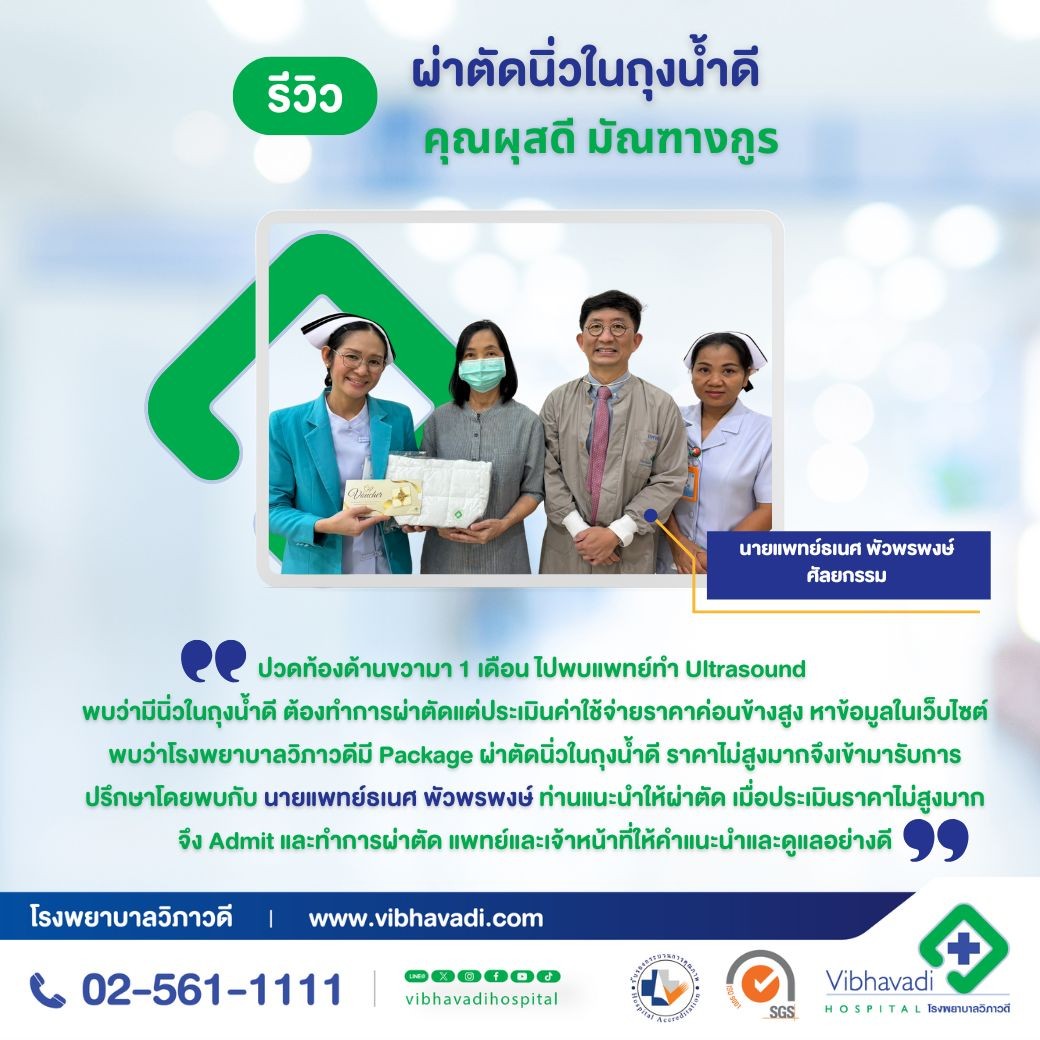
Review of gallstone surgery at Vibhavadi Hospital: real experiences and advice from the medical team.
.jpeg) The gallbladder is a small organ that plays an important role in digestion by storing bile produced by the liver. In some cases, cholesterol or bilirubin can crystallize and form hardened deposits known as gallstones. One of the most common early warning signs is severe pain in the upper abdomen, particularly around the epigastric area. If left untreated, gallstones may lead to serious complications.
The gallbladder is a small organ that plays an important role in digestion by storing bile produced by the liver. In some cases, cholesterol or bilirubin can crystallize and form hardened deposits known as gallstones. One of the most common early warning signs is severe pain in the upper abdomen, particularly around the epigastric area. If left untreated, gallstones may lead to serious complications.
This article provides a comprehensive overview of gallstones, including their early symptoms, common risk factors, and available treatment options. Understanding these signs can help you seek medical attention promptly and reduce the risk of complications.
Key Takeaways
- The gallbladder stores bile produced by the liver and releases it to help digest fats. When the composition of bile becomes unbalanced, such as having excessive cholesterol, solid particles can form and develop into gallstones.
- The most common early symptom of gallstones is severe pain in the upper right abdomen or beneath the breastbone, especially after consuming fatty foods. The pain may also radiate to the right shoulder blade or upper back.
- Seek immediate medical attention if severe abdominal pain is accompanied by high fever, chills, jaundice, or yellowing of the eyes, as these may indicate serious complications.
- Gallstones can often be prevented through a healthy lifestyle, including limiting high-fat foods, maintaining a healthy body weight, avoiding rapid weight loss, and effectively managing chronic conditions such as diabetes.
Table of Contents
What Is the Function of the Gallbladder?
7 Early Warning Signs of Gallstones You Should Know
How Can Gallstones Be Prevented?
Early Gallstone Symptoms You Should Not Ignore
Frequently Asked Questions About Early Gallstone Symptoms
What Is the Function of the Gallbladder?
The gallbladder plays an important role in storing bile, a digestive fluid produced by the liver that helps break down fats. When the balance of substances within the bile becomes disrupted, solid particles can begin to form and eventually develop into gallstones.
What Are Gallstones?
Gallstones are hardened deposits that form inside the gallbladder as a result of crystallized substances found in bile, including calcium salts, cholesterol, and bilirubin. When the composition of bile becomes imbalanced, these substances can precipitate and gradually combine into stone-like masses. Gallstones may occur as a single stone or as multiple stones of varying sizes.
The most common cause of gallstone formation is an excessive amount of cholesterol in the bile, which is often associated with dietary and lifestyle factors that directly affect gallbladder function. In some cases, infections of the biliary tract can also contribute to the development of gallstones.
- Learn how to recognize important warning signs and seek timely medical care. Read more: Bladder Cancer Symptoms
7 Early Warning Signs of Gallstones You Should Know
.jpeg)
To raise awareness of the early symptoms of gallstones (Cholelithiasis) and help individuals recognize warning signs before serious complications occur, Vibhavadi Hospital highlights seven important symptoms that should not be ignored.
1. Pain in the Upper Right Abdomen (Biliary Colic)
One of the most common early symptoms of gallstones is pain in the upper right abdomen or the upper central abdomen (epigastric region). This pain typically occurs after consuming fatty foods, as the gallbladder contracts to release bile for digestion.
The pain is often described as cramping or squeezing and may radiate to the back or right shoulder blade. It can come and go, but if the pain becomes severe and lasts for more than six hours, it may indicate acute cholecystitis and requires immediate medical attention.
• Wondering what causes a burning sensation during urination? Learn more about the possible causes and treatment options in our article: Causes of Urethritis in Men
2. Bloating, Indigestion, and Post-Meal Discomfort (Dyspepsia)
Another early symptom of gallstones is digestive discomfort. Gallstones can interfere with the normal digestive process, particularly the breakdown of fats, leading to bloating, abdominal fullness, and discomfort after meals, especially those high in fat.
Persistent bloating, excessive belching, or chronic digestive discomfort may be early indicators of gallbladder dysfunction.
3. Nausea and Vomiting, Especially After Fatty Meals
When the gallbladder is unable to function properly, digestion of fatty foods becomes less efficient. As a result, some individuals may experience nausea and vomiting along with abdominal pain after eating.
If these symptoms occur repeatedly or persist without another identifiable cause, gallstones should be considered as a possible underlying condition.
4. Changes in Stool and Urine Color (Altered Stool and Urine Color)
If a gallstone moves and blocks the common bile duct, the normal flow of bilirubin is disrupted. This may cause the urine to become dark, similar to the color of tea, due to increased bilirubin excretion.
At the same time, stools may appear unusually pale, clay-colored, or gray because bile pigments are unable to reach the intestines and contribute to normal stool coloration.
5. Yellowing of the Skin and Eyes (Jaundice)
When a gallstone completely obstructs the bile duct (Choledocholithiasis), bilirubin can accumulate in the bloodstream, resulting in jaundice.
Patients may notice a yellow discoloration of the skin and the whites of the eyes. This is considered a serious symptom that requires prompt medical evaluation and treatment.
6. Fever and Chills Accompanied by Abdominal Pain
A high fever, chills, and severe abdominal pain may indicate acute cholecystitis or an infection of the bile ducts (Acute Cholangitis).
These are serious complications that can rapidly progress to sepsis, a life-threatening bloodstream infection. Anyone experiencing these symptoms should seek emergency medical care immediately.
7. Loss of Appetite and Unexplained Weight Loss (Anorexia and Unexplained Weight Loss)
Chronic gallbladder dysfunction and ongoing digestive disturbances may lead to reduced appetite and decreased food intake, resulting in unexplained weight loss.
If this symptom occurs alongside other warning signs of gallstones, a comprehensive medical evaluation is recommended to determine the underlying cause and begin appropriate treatment.
Types of Gallstones
Gallstones can be classified into three main types:
- Cholesterol Stones: These stones are typically yellow, white, or green in color. They form when excess cholesterol in the bile crystallizes and accumulates in the gallbladder.
- Pigment Stones: Usually dark black or brown in color, these stones are associated with blood disorders, such as anemia, and liver diseases, including cirrhosis.
- Mixed Gallstones (Gallbladder Sludge): These have a thick, mud-like consistency and are often associated with infections affecting the liver, bile ducts, or pancreas.
What Causes Gallstones?
.jpeg)
Several factors can increase the risk of developing gallstones, including:
- Age and Gender: Women over the age of 40 and adults over 60 are at a higher risk of developing gallstones.
- Excess Weight: Obesity can impair the gallbladder’s ability to process fats efficiently and reduce its ability to contract properly.
- High Cholesterol Levels: Elevated cholesterol levels in bile can promote stone formation and affect gallbladder function.
- Hormonal Factors: The use of oral contraceptives or hormone replacement therapy during menopause may increase the risk of gallstones.
- Diabetes: High blood sugar and elevated triglyceride levels can contribute to gallstone formation and reduce gallbladder motility.
- Blood Disorders: Conditions such as thalassemia can cause increased breakdown of red blood cells, leading to higher bilirubin levels in bile and subsequent stone formation.
- Multiple Pregnancies: Increased estrogen and progesterone levels during pregnancy can raise cholesterol concentrations in bile.
- Rapid Weight Loss: Common among individuals following strict dieting plans or intermittent fasting (IF), rapid weight loss can increase cholesterol concentration in bile and promote gallstone formation.
- Certain Medications: Some cholesterol-lowering medications may increase cholesterol levels in bile.
- Genetic Factors: A family history of gallstones may increase an individual’s risk of developing the condition.
How Are Gallstones Diagnosed?
Gallstones are commonly diagnosed using an Upper Abdominal Ultrasound, which provides clear imaging of the gallbladder and can accurately detect the presence of gallstones.
Before the examination, patients are typically advised to avoid food and fatty beverages for approximately 4–6 hours to ensure optimal imaging results. However, drinking plain water is generally allowed during the fasting period.
How Are Gallstones Treated?
.jpeg)
The primary treatment for gallstones is gallbladder removal surgery (Cholecystectomy), which removes both the gallbladder and the stones it contains. Since the gallbladder mainly functions as a storage organ for bile, most patients can continue their daily lives normally after its removal.
Today, there are three main surgical approaches for gallbladder removal:
- Laparoscopic Cholecystectomy
This is the current standard treatment for gallstones. The surgeon makes several small incisions in the abdomen and inserts a laparoscope along with specialized surgical instruments to detach and remove the gallbladder. This minimally invasive technique results in smaller scars, less postoperative pain, faster recovery, and a lower risk of complications. - Open Cholecystectomy
This procedure involves making a larger incision beneath the right rib cage to access and remove the gallbladder. Open surgery may be necessary in cases of severe inflammation, gallbladder perforation, or extensive abdominal adhesions that make laparoscopic surgery unsafe or technically difficult. - Robotic-Assisted Cholecystectomy
In this advanced surgical approach, the surgeon controls robotic arms equipped with high-definition cameras and precision instruments through a computerized system. Robotic-assisted surgery offers enhanced accuracy, smaller incisions, reduced pain, faster recovery, and a shorter hospital stay.
How Can Gallstones Be Prevented?
Lifestyle modifications and proper health management can significantly reduce the risk of developing gallstones. Recommended preventive measures include:
- Maintain a Healthy Diet: Limit foods high in fat, such as fried foods, fast food, and processed products. Instead, focus on a high-fiber diet rich in fruits, vegetables, and whole grains.
- Maintain a Healthy Weight: Avoid obesity, but also avoid rapid weight loss, which can increase the risk of gallstone formation.
- Manage Chronic Conditions: Proper control of metabolic disorders such as high cholesterol, diabetes mellitus, and obesity can help lower the risk of gallstones.
- Use Medications Under Medical Supervision: If medications that affect bile composition are required, they should be taken under the guidance of a healthcare professional.
- Attend Regular Health Checkups: Routine medical examinations, including abdominal ultrasound screening when recommended by a physician, can help detect abnormalities early.
- Monitor for Warning Signs: Seek medical attention promptly if you experience severe pain in the upper right abdomen, pain after consuming fatty foods, nausea, vomiting, or jaundice.
Early Gallstone Symptoms You Should Not Ignore
Early symptoms of gallstones are often overlooked. However, recognizing warning signs such as pain in the upper right abdomen or jaundice, particularly after consuming fatty meals, is essential for early diagnosis and treatment. If you experience symptoms suggestive of gallstones, consult a healthcare professional for a thorough evaluation.
At the Department of Surgery, Vibhavadi Hospital provides comprehensive diagnostic and treatment services for gallstones. Using advanced diagnostic technologies, including high-resolution ultrasound imaging, our surgical team offers Laparoscopic Cholecystectomy, a minimally invasive procedure that helps patients recover faster and return to their normal daily activities sooner.
- Facebook: Vibhavadi Hospital
- Line: @Vibhavadihospital
- Email: custserv@vibhavadi.com
- Tel: 02-058-1111 หรือ 02-561-1111
Frequently Asked Questions About Early Gallstone Symptoms
Where Does Gallstone Pain Occur?
One of the most common early symptoms of gallstones is pain in the upper right abdomen or the upper central abdomen (epigastric area), particularly after eating fatty foods. The pain is often described as severe, cramping, or squeezing in nature and may radiate to the back or the right shoulder blade.
If Gallstones Are Found but Cause No Symptoms, Is Treatment Necessary?
In most cases, asymptomatic gallstones do not require treatment or surgery if the patient has a low risk of developing complications. However, preventive gallbladder removal may be recommended for certain high-risk individuals, such as those with a porcelain gallbladder or very large gallstones (greater than 3 cm), due to an increased risk of future complications.
Can Gallstones Go Away on Their Own?
Gallstones do not typically disappear without treatment. They form when substances such as cholesterol or bilirubin crystallize within the gallbladder, and once formed, they generally do not dissolve naturally. The standard treatment for symptomatic gallstones is surgical removal of the gallbladder (cholecystectomy). In selected cases involving very small cholesterol stones, oral dissolution therapy may be considered, but its effectiveness is limited and treatment often requires a prolonged period of time.
References
- Gallstones. (2024, January 1). Cleveland Clinic. https://my.clevelandclinic.org/health/diseases/7313-gallstones
- Gallstones. (2025, August 11). NHS. https://www.nhs.uk/conditions/gallstones/
- Lori, M. (2024, April 18). Gallstone Symptoms & Warning Signs. WebMD.https://www.webmd.com/digestive-disorders/understanding-gallstones-symptoms