What Is PVC? Is Irregular Heartbeat Dangerous?

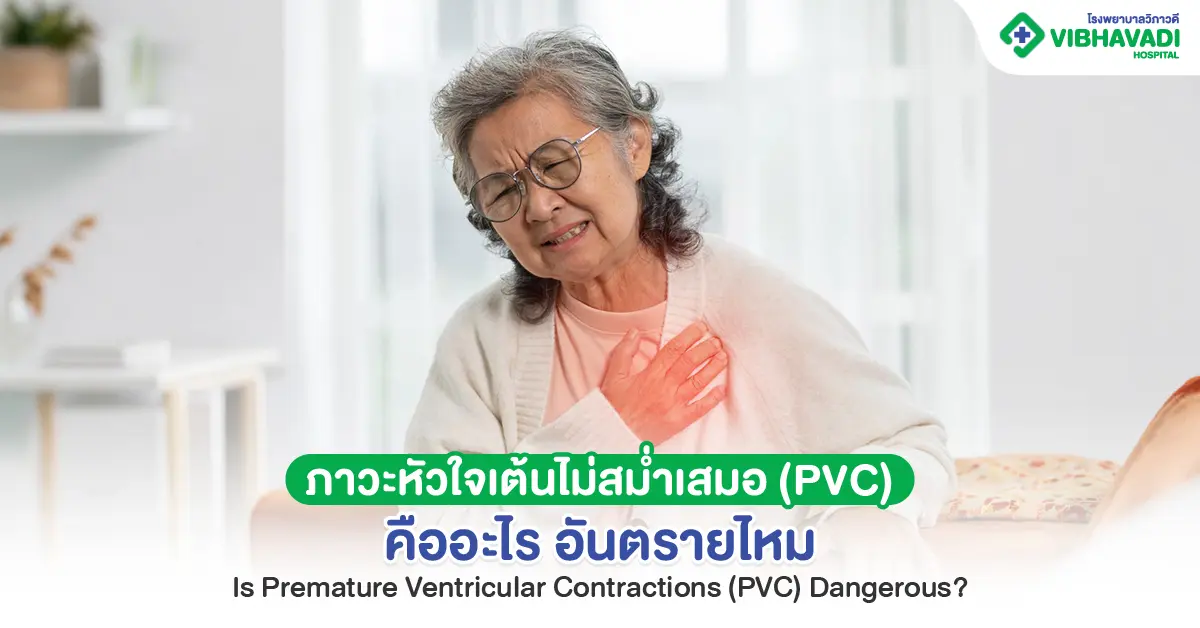
The electrical system inside the heart controls the rhythm of contractions to pump blood throughout the body. If the system malfunctions, it may cause a condition called PVC, or Premature Ventricular Contraction, which manifests through a sensation of heart fluttering or skipped beats.
Although irregular heartbeats may not cause severe danger in individuals with normal heart structure, they can lead to serious complications in certain patients. Learn more about the symptoms, risk factors, treatment options, and prevention methods in this article.
Key Takeaways
- PVC is a heart arrhythmia caused by abnormal electrical impulses in the ventricles, triggering a contraction before the normal rhythm.
- The symptom of heart arrhythmia that patients often feel is a sudden fluttering sensation or a thumping beat as if the heart briefly stopped.
- Triggers for heart arrhythmia include lifestyle habits such as caffeine, alcohol, and stress.
- Diagnosis of heart arrhythmia relies on electrocardiograms (ECG), including standard ECGs and 24-hour Holter monitoring.
- Treatment options for heart arrhythmia range from lifestyle modifications and antiarrhythmic medications to radiofrequency catheter ablation.
Table of Contents
What Is Premature Ventricular Contraction (PVC)?
What Are the Observable Symptoms of Irregular Heartbeats?
What Are the Common Patterns of Premature Ventricular Contraction?
Risk Factors for Irregular Heartbeats
What Complications Can Irregular Heartbeats Increase the Risk Of?
How Are Irregular Heartbeats Diagnosed?
Treatment Methods for Irregular Heartbeats
Guidelines for Preventing Irregular Heartbeats
Frequently Asked Questions About PVCs
What Is Premature Ventricular Contraction (PVC)?
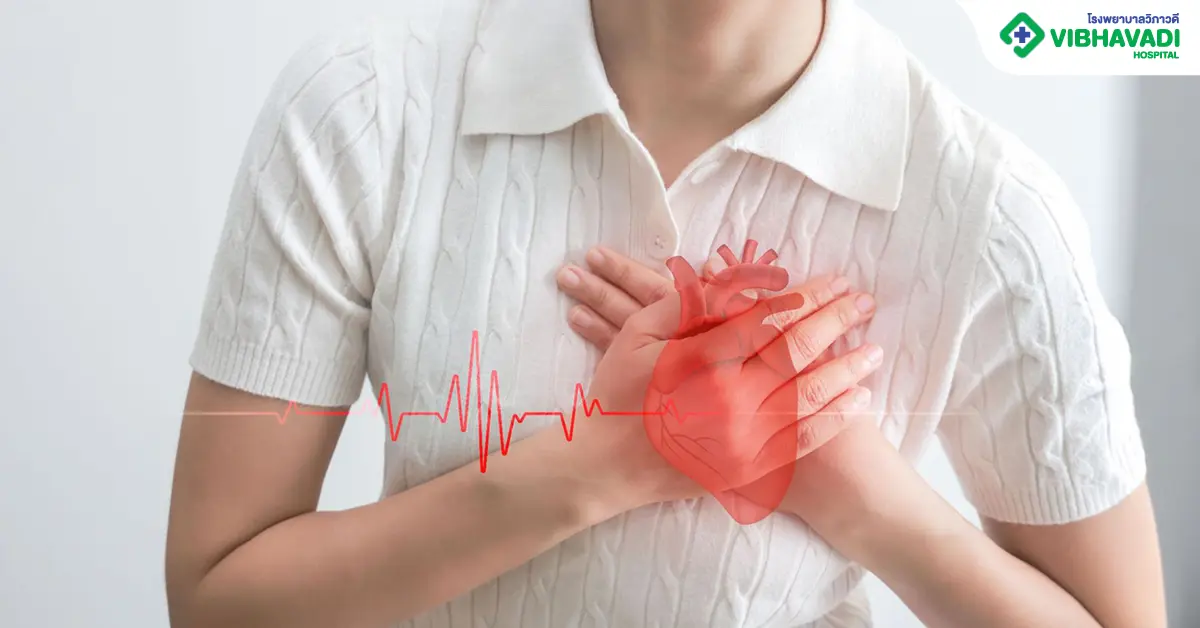
PVC (Premature Ventricular Contraction) is a type of heart arrhythmia caused by an abnormal electrical impulse originating in the ventricles (lower heart chambers). This disrupts the heart's natural pumping rhythm from its usual electrical conduction pathway.
Patients with PVC often experience a sudden fluttering or dropping sensation in the chest, followed by a forcefully felt heartbeat on the next cycle due to a brief pause as the heart resets (compensatory pause). Clinically, it is classified based on frequency, such as occasional PVCs. It is distinguished from Premature Atrial Contraction (PAC) and general premature contractions to better understand the underlying circulatory pathology.
What Are the Observable Symptoms of Irregular Heartbeats?
Many people with PVC experience no noticeable symptoms, with the condition often discovered incidentally during routine health checkups. However, individuals who are more sensitive to bodily changes or experience frequent PVCs may notice the following warning signs:
- Palpitations: A feeling as if the heart is skipping, fluttering, or flipping inside the chest.
- Skipped or Jarring Beats: A sensation of the heart pausing or a sharp twitching feeling similar to a sudden startle.
- Strong or Pounding Heartbeats: Noticeably strong heartbeats felt in the neck or chest.
- Chest Tightness or Discomfort: Pain or a feeling of pressure beneath the breastbone at times.
- Dizziness or Fainting: Lightheadedness, feeling faint, or dizzy due to a temporary reduction in blood flow to the brain.
- Fatigue or Weakness: Feeling unusually tired or easily fatigued during routine daily activities.
What Are the Common Patterns of Premature Ventricular Contraction?
PVCs can present in distinct, recurring cardiac patterns:
- Bigeminy PVC: A 1:1 alternating pattern where every normal heartbeat is immediately followed by a PVC.
- Trigeminy PVC: A 2:1 pattern consisting of two normal heartbeats followed by a PVC on the third beat.
- Quadrigeminy PVC: A pattern where three consecutive normal heartbeats are followed by a PVC on the fourth beat.
- Couplets: Two consecutive PVCs occurring back-to-back without an intervening normal beat.
- Non-Sustained Ventricular Tachycardia: Three or more consecutive PVCs occurring at a rate exceeding 100 beats per minute that resolve spontaneously within 30 seconds.
Risk Factors for Irregular Heartbeats

Palpitations or noticeably strong heartbeats can stem from everyday lifestyle habits as well as underlying cardiovascular pathologies. Key risk factors include:
- Nervous System Stimulants: High consumption of caffeine from tea, coffee, or energy drinks, as well as the use of illicit substances such as cocaine or methamphetamine.
- Nicotine and Tobacco: Smoking and the use of any tobacco products, which elevate heart rate and trigger arrhythmias.
- Alcohol: Excessive alcohol consumption beyond recommended limits or alcohol withdrawal state.
- Certain Physical Activities: In some patients, high-impact or strenuous exercise can serve as a trigger for specific types of PVCs.
- Emotional States: Chronic stress, anxiety, or panic disorders that stimulate the sympathetic autonomic nervous system.
- Pre-existing Heart Conditions: A history of myocardial infarction (heart attack) or coronary artery disease.
- Congenital Heart Defects: Structural heart abnormalities present from birth.
- Heart Failure: Weakened heart muscle or structural damage that compromises the cardiac conduction system.
What Complications Can Irregular Heartbeats Increase the Risk Of?
An infrequent irregular heartbeat, such as occasional PVCs, is generally not dangerous. However, if allowed to become frequent and persistent over time, it can reduce cardiac pumping efficiency and disrupt the heart's electrical circuit, increasing the risk of life-threatening ventricular tachycardia or ventricular fibrillation.
Furthermore, cumulative premature contractions over a prolonged period can weaken the heart muscle, eventually leading to cardiomegaly (enlarged heart). In patients with underlying acute ischemic heart disease, PVCs triggered by electrical instability significantly elevate the risk of sudden cardiac arrest and sudden death.
How Are Irregular Heartbeats Diagnosed?
To diagnose PVC-type irregular heartbeats, physicians begin with a detailed medical history and physical examination, followed by specialized medical technology to capture abnormal electrical signals:
- Initial Evaluation & Assessment: The doctor reviews medical history, symptoms, and physical findings to assess underlying triggers such as thyroid disease or cardiovascular conditions.
- Standard Electrocardiogram (EKG / ECG): Sensors are placed on the skin to record the heart's electrical activity onto a graph paper trace.
- 24-Hour Holter Monitoring: For occasional PVCs or intermittent skipped beats that may not appear during a brief clinical EKG, patients wear a portable recorder continuously for 24 hours.
Treatment Methods for Irregular Heartbeats
Treatment approaches for PVC-type irregular heartbeats depend primarily on symptom frequency and the patient's underlying cardiac structure, categorized by severity levels as follows:
- Lifestyle Modification and Monitoring: For patients with mild symptoms and no underlying structural heart disease, physicians recommend avoiding triggers, such as abstaining from tea and coffee.
- Pharmacotherapy: If electrical instability is present, physicians may consider prescribing beta-blockers or antiarrhythmic medications.
- Radiofrequency Catheter Ablation: Performed in a cardiac catheterization laboratory, radiofrequency catheter ablation uses thermal energy to neutralize the tissue generating abnormal signals, offering high safety standards.
The procedure is conducted by introducing a catheter through the groin and guiding it to the heart—a principle similar to cardiac angiography in elderly patients, but utilizing metallic terminals at the catheter tip to record signals and deliver warm radiofrequency energy to treat problem areas. Patients typically require only a short recovery stay at the medical facility.
Guidelines for Preventing Irregular Heartbeats
Although certain types of genetically induced arrhythmias cannot be entirely prevented, proactive health management and lifestyle changes can reduce the incidence of PVCs and prevent progression to severe heart disease through the following steps:
- Avoid consuming all forms of stimulants, including caffeine-containing beverages, alcohol, and chemicals in cigarettes.
- Eat a nutritionally balanced diet, emphasizing adequate levels of potassium and magnesium to support optimal cardiac electrical function.
- Exercise regularly at an intensity suited to your physical condition, consulting a physician beforehand if you have pre-existing medical conditions.
- Manage stress through meditation, getting sufficient rest, or engaging in relaxing activities.
- Undergo annual health checkups for risk screening, and maintain continuous treatment for underlying conditions such as hypertension or hyperlipidemia.
PVC Is a Skipped-Beat Heart Condition: Receive Care and Treatment by Specialists at Vibhavadi Hospital
PVC is a premature contraction of the lower heart chambers that can develop into a severe pathology if left untreated. Recognizing body warning signs—such as heart fluttering, palpitations, or skipped beats—is crucial for preventing complications that could permanently affect the heart muscle in the future.
The Cardiovascular Center at Vibhavadi Hospital is fully equipped to provide comprehensive care for patients with cardiac arrhythmias, backed by a team of medical specialists and advanced diagnostic technologies. These include electrocardiograms (ECG), 24-hour Holter monitoring, and advanced procedures such as pacemaker implantation or heart surgery to ensure highly accurate and safe treatment. If you experience abnormal heart rhythm symptoms, feel free to contact us through the channels below to schedule a consultation.
- Facebook: Vibhavadi Hospital
- Line: @Vibhavadihospital
- Email: custserv@vibhavadi.com
- Tel: 02-058-1111 หรือ 02-561-1111
Frequently Asked Questions About PVCs
Does Drinking Coffee, Tea, or Alcohol Trigger Irregular Heartbeats?
Caffeine and alcohol stimulate the sympathetic nervous system, resulting in an increased heart rate and heightened sensitivity of the ventricular tissue in generating abnormal electrical impulses. This makes them clear triggers for PVCs.
How Accurately Can a Smartwatch Detect or Alert to Skipped Heartbeats?
Modern smartwatches feature optical heart rate sensors and basic ECG functions that can effectively detect irregular or skipped rhythms. However, they cannot replace standard medical-grade equipment for definitive clinical diagnosis.
References
- Mayo Clinic Staff. (2025, September 20). Premature ventricular contractions (PVCs). mayoclinic. https://www.mayoclinic.org/diseases-conditions/premature-ventricular-contractions/symptoms-causes/syc-20376757
- Premature Ventricular Contractions. (2022, July 29). clevelandclinic. https://my.clevelandclinic.org/health/diseases/17381-premature-ventricular-contractions
- Sattar, Y. and Hashmi, M. (2025, February 16). Premature Ventricular Complex. NIH. https://www.ncbi.nlm.nih.gov/books/NBK547713/