What is a Hernia? Symptoms, Causes, and Is It Dangerous?
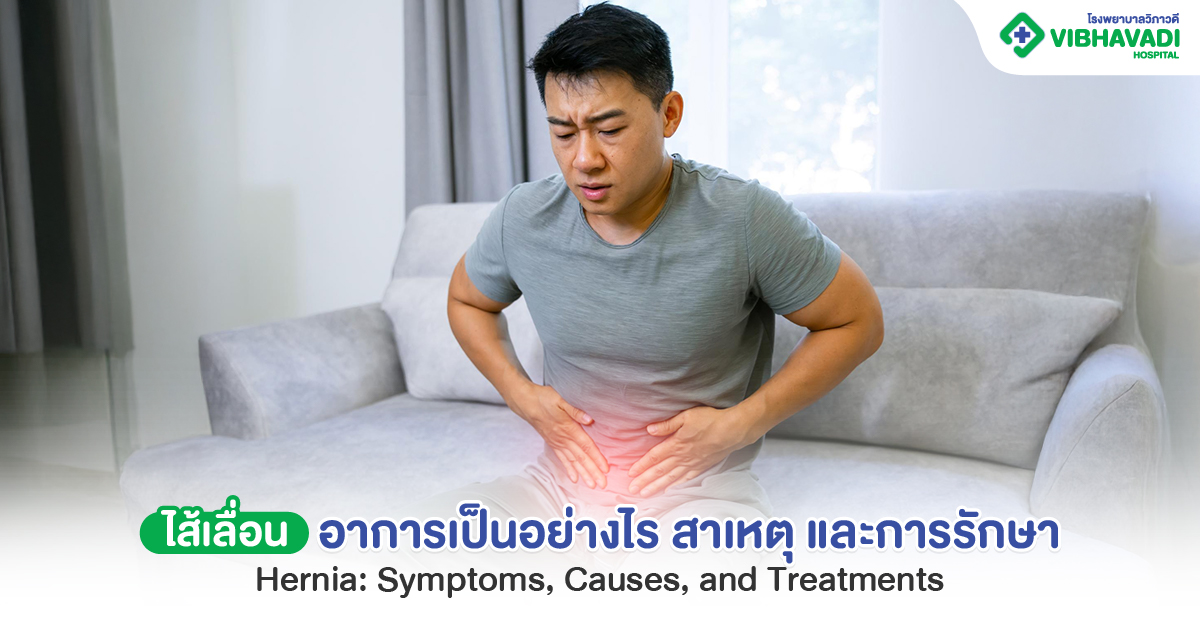
Many people have heard of a hernia, but may not fully understand what it is, what symptoms it causes, or how serious it can become. A hernia is not a condition that affects only men—it can occur in people of all ages and genders, from newborns to older adults. If left untreated, a hernia may lead to serious complications that can become life-threatening.
This article explains the causes of hernias, the early warning signs to watch for, and the available treatment options to help you receive timely care and protect your long-term health.
Key Takeaways
- A hernia occurs when part of an internal organ, most commonly the intestine, pushes through a weakened area of the abdominal wall, creating a visible or palpable bulge.
- Hernias are caused by weakened or damaged abdominal muscles or connective tissue. Risk factors include pregnancy, heavy lifting, chronic coughing, and other conditions that increase pressure inside the abdomen.
- Common types of hernias include inguinal hernias, ventral hernias, umbilical hernias, obturator hernias, hiatal hernias, and incisional hernias.
- A hernia does not heal on its own. Surgery is the only effective treatment and may be performed using either open surgery or laparoscopic (minimally invasive) surgery.
What Is a Hernia?
A hernia occurs when an internal organ or tissue pushes through a weakened area of the abdominal wall or surrounding muscles. In most cases, part of the intestine protrudes through the weakened tissue, causing a visible or palpable bulge beneath the skin.
Hernias most commonly develop in the area between the chest and the hips. Depending on the type, the bulge may appear in the upper thigh, groin, abdomen, or even through the diaphragm. Because a hernia does not heal on its own and may lead to serious complications, early diagnosis and appropriate treatment are recommended.
What Causes a Hernia?
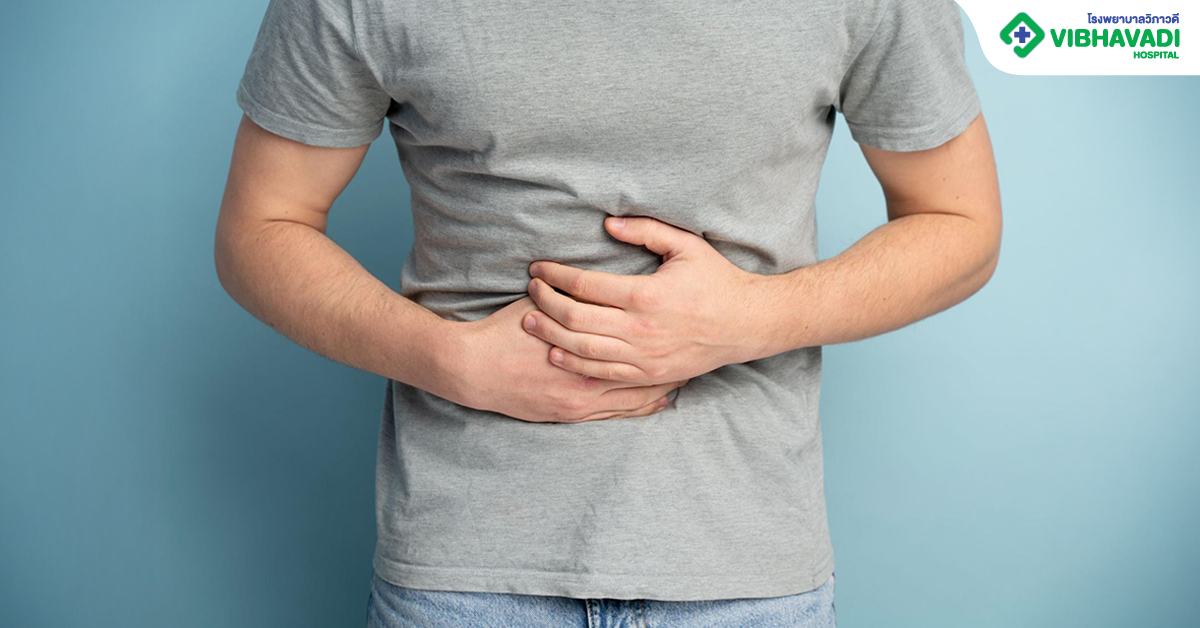
Hernias can develop for several reasons, which generally fall into two main categories:
The first is a congenital hernia, which is present at birth. This type develops during fetal growth and is more common in premature infants. It occurs when an opening in the lower abdominal wall fails to close completely, allowing part of an abdominal organ, such as the intestine, to protrude through the weakened area.
The second type is an acquired hernia, which develops later in life when the abdominal wall becomes weakened or stretched due to various risk factors, allowing internal organs to push through the weakened tissue.
Common causes and risk factors include:
- A family history of hernias
- Aging, especially in adults over 50 years old
- Previous abdominal injury or surgery
- Chronic coughing or chronic obstructive pulmonary disease (COPD), which increases pressure inside the abdomen
- Frequent activities that strain the abdominal muscles, such as heavy lifting, chronic constipation, or repeated straining during urination
- Obesity or a body mass index (BMI) over 30
- Pregnancy, particularly multiple pregnancies
- Smoking, which weakens connective tissues throughout the body
Because hernias can result from a combination of factors, anyone who suspects they may have a hernia or is at increased risk should consult a doctor for a proper evaluation. Early diagnosis allows appropriate treatment and helps prevent complications.
Types of Hernias
Hernias can occur in different parts of the body, from the diaphragm and abdominal wall to the groin and upper thigh. The most common types include:
- Hiatal Hernias: A hiatal hernia occurs when the upper part of the stomach pushes through the diaphragm into the chest cavity. It is more common in adults over 50, pregnant women, and some people with congenital abnormalities. This type of hernia is often associated with gastroesophageal reflux disease (GERD).
- Inguinal Hernias: An inguinal hernia is the most common type of hernia and occurs most frequently in men. It develops in the groin area when part of the intestine protrudes through a weak spot in the abdominal wall. Without treatment, it may extend into the scrotum and become a scrotal hernia.
- Umbilical Hernias: Umbilical hernias commonly affect infants and young children. They occur when part of the intestine pushes through the abdominal wall near the belly button, creating a noticeable bulge. Many cases close naturally as the abdominal muscles strengthen by around five years of age. However, adults can also develop umbilical hernias, especially after repeated abdominal strain.
- Ventral Hernias: A ventral hernia develops when weakened abdominal muscles or connective tissue allow abdominal contents to bulge outward. Common subtypes include epigastric hernias, which occur above the navel, and Spigelian hernias, which develop along the side of the abdominal muscles.
- Incisional Hernia: An incisional hernia occurs at the site of a previous abdominal surgery. It develops when the surgical incision does not heal completely, leaving the abdominal wall weakened and allowing internal tissue or organs to protrude through the scar.
- Obturator Hernia: An obturator hernia is a rare but serious condition in which abdominal tissue protrudes through the obturator canal in the pelvis. Because it usually does not produce a visible bulge, it can be difficult to diagnose and often requires prompt surgical treatment.
Hernia Symptoms
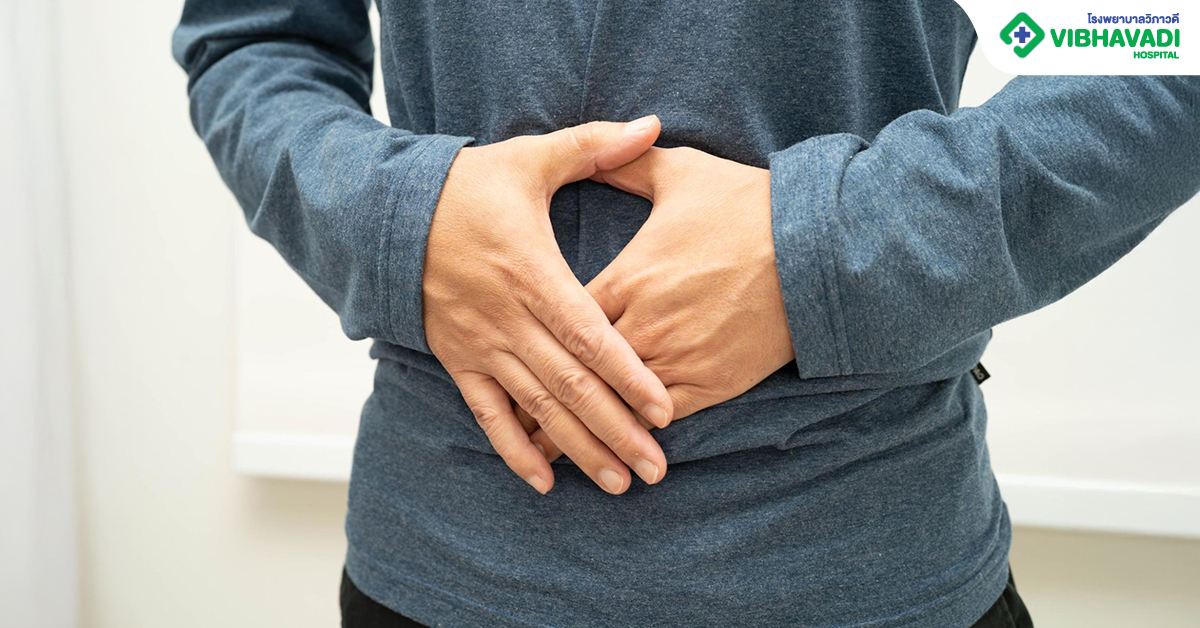
The symptoms of a hernia vary depending on its type, location, and severity. Some people experience only mild discomfort, while others may develop more noticeable symptoms. Common signs and symptoms include:
- A visible or palpable bulge in areas such as the abdomen, groin, or around the belly button
- In men, a bulge may appear in the scrotum and often becomes less noticeable or disappears when lying down
- The bulge may become more prominent when coughing, sneezing, straining, or lifting heavy objects
- People with a hiatal hernia may experience symptoms of gastroesophageal reflux disease (GERD), such as heartburn, chest discomfort, frequent belching, or nausea
- In children with an umbilical hernia, a bulge near the belly button is often more noticeable when crying
Although a hernia may seem harmless at first, it should not be ignored. If the bulge becomes larger, causes persistent pain or tenderness, or you notice worsening symptoms, seek medical attention promptly. Early treatment can help prevent potentially serious complications.
How Can a Hernia Affect Daily Life?
A hernia can affect more than just your physical health. Without proper treatment, it may interfere with everyday activities and reduce your overall quality of life. Common impacts include:
- Limited mobility due to the bulge or discomfort during movement
- Pain or discomfort when coughing, sneezing, exercising, or performing physical activities
- Reduced sexual comfort or function, particularly in men with inguinal or scrotal hernias
- Decreased self-confidence or concerns about body image because of the visible bulge
How Is a Hernia Diagnosed?
If you suspect you have a hernia, it is important to consult a doctor for a proper diagnosis. Your physician will evaluate your symptoms, determine the type of hernia, and recommend the most appropriate treatment.
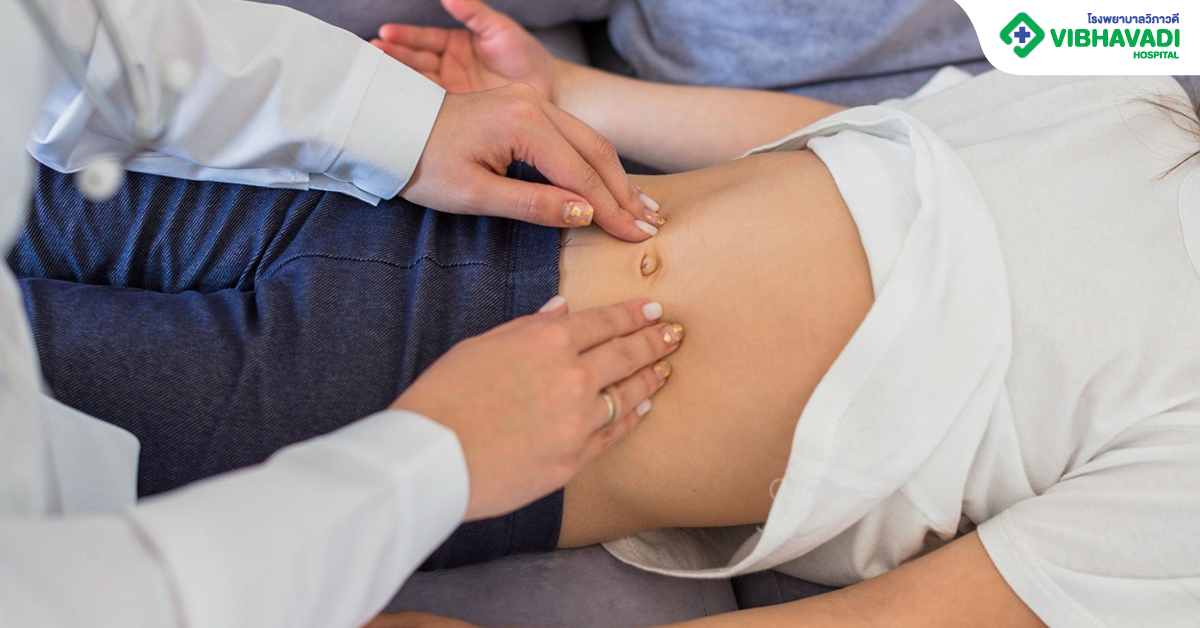
Diagnosis usually begins with a physical examination. The doctor will check for a visible or palpable bulge and assess whether it is tender or changes in size when you stand, cough, or strain. This examination is often sufficient to diagnose abdominal wall hernias.
For hernias located deeper inside the body, such as pelvic or hiatal hernias, additional imaging tests may be required, including:
- Computed Tomography (CT) Scan
- Ultrasound
- Magnetic Resonance Imaging (MRI)
These imaging studies help confirm the diagnosis, identify the exact location of the hernia, and guide the most appropriate treatment plan.
How Is a Hernia Treated?
A hernia does not heal on its own. The only effective treatment is surgery, which restores the protruding organ to its normal position and repairs the weakened or damaged area of the abdominal wall. There are two main surgical approaches:
Open Herniorrhaphy: Open hernia repair involves making an incision directly over the hernia. The surgeon gently returns the protruding tissue or organ to its proper position and reinforces the weakened area, typically with surgical mesh, to reduce the risk of recurrence. The incision is then closed with sutures.
Laparoscopic Hernioplasty: Laparoscopic hernia repair is a minimally invasive procedure performed through several small incisions. A tiny camera and specialized surgical instruments are inserted to repair the weakened abdominal wall, often using surgical mesh. Compared with open surgery, laparoscopic repair generally results in smaller scars, less postoperative pain, faster recovery, and reduced damage to surrounding tissues.
Don't Ignore a Hernia—Expert Surgical Care at Vibhavadi Hospital
A hernia occurs when an internal organ, such as the intestine, pushes through a weakened area of the abdominal wall, creating a noticeable bulge in the abdomen or groin. Although it may seem minor at first, a hernia should never be ignored. Without proper treatment, it can lead to serious complications that may require emergency surgery.
If you are experiencing symptoms of a hernia or would like a professional evaluation, the Department of Surgery at Vibhavadi Hospital provides comprehensive hernia diagnosis and treatment. Our experienced surgeons use advanced diagnostic techniques and modern surgical technology to deliver personalized care, helping patients achieve safe and effective treatment outcomes.
Facebook: Vibhavadi Hospital
Line: @Vibhavadihospital
Email: custserv@vibhavadi.com
Tel: 02-058-1111 หรือ 02-561-1111
Frequently Asked Questions About Hernias
How Can You Help Prevent a Hernia?
Although not all hernias can be prevented, you can reduce your risk by maintaining good abdominal health. Avoid chronic coughing or sneezing whenever possible, use proper lifting techniques when handling heavy objects, strengthen your core and abdominal muscles through regular exercise, and eat a high-fiber diet to help prevent constipation and excessive straining during bowel movements.Can a Hern
Can a Hernia Heal on Its Own?
No. A hernia does not heal without treatment. Surgery is the only effective way to repair a hernia and prevent potentially serious complications in the future. If you notice symptoms of a hernia, you should consult a doctor for an evaluation and appropriate treatment.
What Are the Symptoms of a Hernia in Women?
In women, hernias are commonly associated with pregnancy, cesarean delivery, obesity, and chronic constipation, all of which can increase pressure within the abdomen. Women are also more likely to develop femoral hernias, which occur just below the groin. Because femoral hernias are located deeper than inguinal hernias, they can be difficult to detect and carry a higher risk of complications. Prompt medical evaluation is recommended if a femoral hernia is suspected.
References
- What is a hernia? Symptoms, types, causes, and treatment. (2023). Healthline. https://www.healthline.com/health/hernia
- Hernia: Symptoms, types, causes, treatment, and more. (2025, October 7). Medical News Today. https://www.medicalnewstoday.com/articles/142334#causes
- What is a hernia? Inguinal, incisional, umbilical, hiatal, and femoral hernias. (2024). WebMD. https://www.webmd.com/digestive-disorders/understanding-hernia-basics
- Hernia: What it is, symptoms, types, causes & treatment. (2023). Cleveland Clinic. https://my.clevelandclinic.org/health/diseases/15757-hernia
Testimonials
Proud to take care of you