Bile Duct Cancer: Symptoms & Treatment
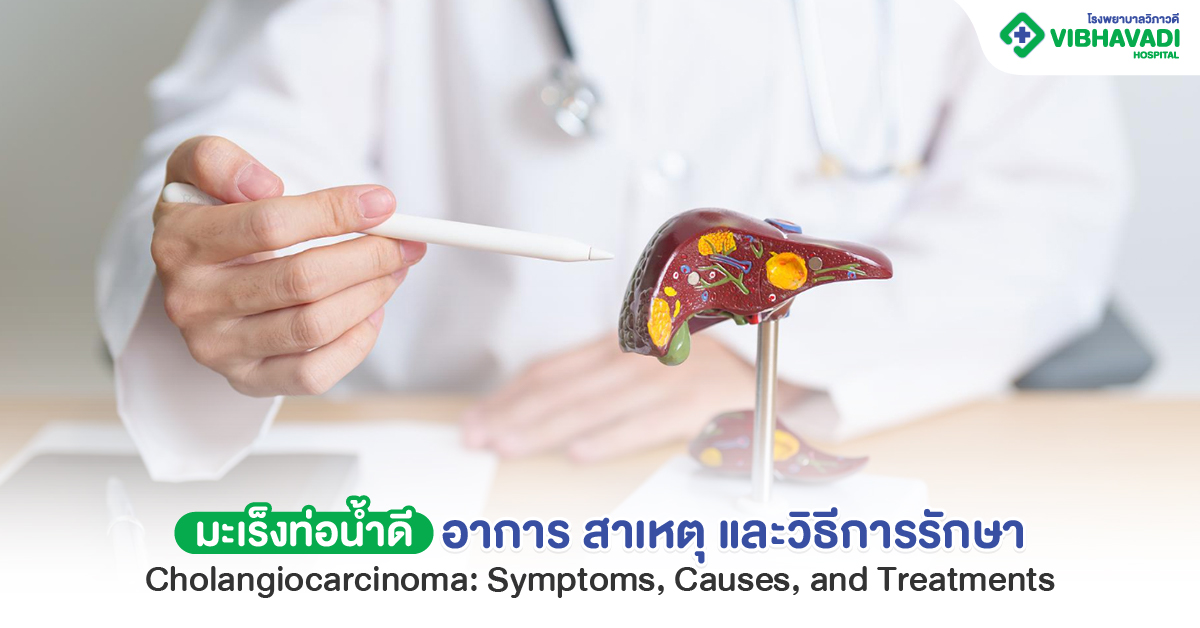
Cholangiocarcinoma is a major health concern with a particularly high incidence rate in Thailand, especially in the northeastern region. This disease develops when the epithelial cells lining the bile ducts undergo abnormal growth and transform into malignant tumors.
Early detection of cholangiocarcinoma is often challenging because symptoms are usually vague or absent in the initial stages. Therefore, understanding that CHCA is a serious and potentially life-threatening disease, as well as knowing the different stages of bile duct cancer, is essential information that can help patients and their families prepare for appropriate management and treatment.
Key Takeaways
- Cholangiocarcinoma is a silent disease that is commonly found in men aged 40 years and older. It often presents no obvious symptoms in the early stages, making early diagnosis difficult.
- Warning signs of bile duct cancer include jaundice, yellowing of the eyes, pain or discomfort in the upper right abdomen, generalized itching, and unexplained weight loss.
- The primary cause of cholangiocarcinoma is liver fluke infection resulting from the consumption of raw freshwater fish. Other risk factors include bile duct stones and chronic inflammation of the bile ducts.
- Curative treatment for bile duct cancer is possible through surgical removal when the disease is detected at an early stage. In advanced stages, treatment mainly focuses on palliative care to improve quality of life.
- Cholangiocarcinoma can be prevented by avoiding raw or undercooked freshwater fish, reducing alcohol consumption, and undergoing regular liver health check-ups.
Table of Contents
What Are the Types of Cholangiocarcinoma?
What Are the Stages of Cholangiocarcinoma?
What Are the Symptoms of Bile Duct Cancer?
How Is Bile Duct Cancer Diagnosed?
How Is Bile Duct Cancer Treated?
How Can Bile Duct Cancer Be Prevented?
Bile Duct Cancer Diagnosis and Treatment by Specialist Physicians at Vibhavadi Hospital
Frequently Asked Questions About Bile Duct Cancer
What Is Cholangiocarcinoma?
Cholangiocarcinoma is a type of cancer that develops from abnormal changes in the epithelial cells lining the bile ducts, leading to the growth of malignant tumors within the biliary system. This cancer can occur in both the intrahepatic bile ducts (Intrahepatic Bile Ducts) and the extrahepatic bile ducts (Extrahepatic Bile Ducts). The term “Cholangiocarcinoma” is the internationally recognized medical term for bile duct cancer. The disease can progress differently depending on the tumor’s location and size, which directly influences diagnostic approaches and treatment planning.
What Are the Types of Cholangiocarcinoma?
.jpeg)
Cholangiocarcinoma, or CHCA, can be classified into two main types:
- Intrahepatic Cholangiocarcinoma
This type originates from the epithelial cells lining the bile ducts located within the liver tissue. The malignant tumor often grows extensively into the surrounding liver tissue, making it appear similar to liver cancer (Hepatocellular Carcinoma). Therefore, detailed diagnostic evaluation is required to distinguish between the two conditions. - Extrahepatic Cholangiocarcinoma
This type develops in the major bile ducts located outside the liver tissue, ranging from the hepatic hilum (Hilar Cholangiocarcinoma) to the distal common bile duct (Distal Cholangiocarcinoma). Tumors in these locations often cause bile duct obstruction, preventing bile from flowing normally into the small intestine.
What Are the Stages of Cholangiocarcinoma?
Staging plays an important role in assessing disease severity and determining the most appropriate treatment plan. Each stage of cholangiocarcinoma differs in terms of tumor spread and clinical symptoms. In general, cholangiocarcinoma is classified into four stages:
- Stage 1 – The malignant tumor remains confined to the wall of the bile duct and has not spread to blood vessels or nearby organs. This stage offers the highest chance of cure through surgical removal if detected early.
- Stage 2 – Cancer cells have grown through the bile duct wall and invaded the surrounding fatty tissue or nearby liver tissue (Liver), but there is still no evidence of spread to the lymph nodes.
- Stage 3– The disease becomes more advanced. The tumor may invade major arteries or veins supplying the liver, or cancer cells may spread to nearby lymph nodes (Lymph Nodes) around the liver hilum and abdominal cavity.
- Stage 4 – Also known as metastatic disease (Metastasis), cancer cells have spread to distant organs such as the lungs (Lungs), bones (Bones), or the lining of the abdominal cavity. At this stage, treatment is primarily focused on palliative care to improve and maintain the patient’s quality of life.
What Are the Symptoms of Bile Duct Cancer?
The symptoms of bile duct cancer can vary and often do not appear in the early stages, making the disease difficult to detect until it has progressed. Common symptoms of bile duct cancer include:
- Jaundice – This occurs when a bile duct tumor blocks the flow of bile, preventing it from reaching the intestines. As a result, bilirubin accumulates in the bloodstream, causing yellowing of the skin and eyes, dark-colored urine, and pale stools.
- Pain or discomfort in the upper abdomen or right upper quadrant – Patients may experience a dull ache or a feeling of fullness in the abdomen. This pain can resemble the early symptoms of gallstones, leading many individuals to underestimate the seriousness of the condition and delay seeking medical attention.
- Fever and chills – When bile duct obstruction occurs, it may lead to bile duct infections. Patients may develop high fever and chills, symptoms that can resemble those of cholecystitis or infected gallstones.
- Itchy skin (Pruritus) – This symptom results from the accumulation of bile salts in the skin and is commonly seen in patients with severe bile duct obstruction caused by bile duct cancer.
- Loss of appetite and unexplained weight loss – Patients often experience a decreased desire to eat, particularly fatty foods, along with rapid and unexplained weight loss.
What Causes Bile Duct Cancer?
.jpeg)
The development of bile duct cancer is closely associated with chronic inflammation and abnormalities within the biliary system. These conditions can lead to changes in the cells lining the bile ducts, increasing the risk of cancer development. The main causes and risk factors of bile duct cancer include:
- Liver fluke infection (Chinese liver fluke) – Infection commonly occurs from consuming raw or undercooked freshwater fish dishes such as koi pla or fermented fish. The parasite can cause chronic inflammation of the bile ducts, which may eventually lead to bile duct cancer.
- Bile duct stones – Long-term irritation or obstruction caused by stones within the bile ducts can trigger chronic inflammation and cellular changes. Individuals with a history of gallstones, bile duct stones, or related surgeries may have an increased risk if chronic inflammation persists.
- Congenital bile duct abnormalities – Structural abnormalities of the bile ducts can impair bile flow, resulting in bile stasis and chronic inflammation, both of which are risk factors for bile duct cancer.
- Exposure to carcinogens – Certain cancer-causing substances, such as nitrosamines found in fermented and preserved foods, including fermented fish products, as well as exposure to industrial chemicals and long-term cigarette smoking, may increase the risk of bile duct cancer.
- Gallbladder diseases – Conditions such as gallbladder cancer may share similar symptoms with bile duct cancer and can sometimes occur concurrently, increasing the overall risk of biliary tract malignancies.
How Is Bile Duct Cancer Diagnosed?
- Abdominal Ultrasound – This is usually the initial imaging test used to detect abnormalities in the liver and biliary tract. It can reveal dilated bile ducts or liver masses that may indicate the presence of bile duct cancer.
- Computed Tomography (CT Scan) or Magnetic Resonance Imaging (MRI) – These imaging techniques provide detailed views of internal organs, allowing physicians to evaluate the location, size, and extent of bile duct cancer, including whether it has spread to nearby blood vessels or lymph nodes.
- Liver Function Tests (LFTs) – Blood tests are performed to assess liver function and bilirubin levels. Tumor markers such as CA 19-9 and CEA may also be measured, as elevated levels are often found in patients with bile duct cancer.
- Endoscopic Retrograde Cholangiopancreatography (ERCP) – This procedure involves inserting an endoscope and injecting contrast dye into the bile ducts to identify areas of obstruction caused by bile duct cancer. During the procedure, physicians can also obtain a tissue sample (biopsy) for pathological examination to confirm the diagnosis.
How Is Bile Duct Cancer Treated?
.jpeg)
- Surgery – Surgery is the primary treatment option for Cholangiocarcinoma and offers the best chance for a cure. Surgeons evaluate the extent of the disease and remove the tumor along with nearby lymph nodes when possible. The success of surgery depends on the size of the tumor and whether it can be completely removed.
- Biliary Drainage Procedures (Percutaneous Transhepatic Biliary Drainage) – In cases where the cancer is too advanced for surgical removal, palliative treatment may be recommended to relieve symptoms such as jaundice and itching. Modern minimally invasive techniques, including endoscopic procedures (ERCP) and biliary stent placement, can improve bile drainage and enhance quality of life without the need for major open surgery.
- Chemotherapy and Radiation Therapy – These treatments may be used after surgery to eliminate any remaining cancer cells or as primary treatment for patients with advanced Cholangiocarcinoma who are not candidates for surgery. They can help slow disease progression and alleviate symptoms.
- Palliative Care – For patients with end-stage bile duct cancer, palliative care focuses on symptom management, pain relief, and maintaining the best possible quality of life.
How Can Bile Duct Cancer Be Prevented?
Preventing bile duct cancer involves reducing risk factors associated with chronic inflammation and disorders of the biliary system. Recommended preventive measures include:
- Avoid eating raw or undercooked foods, especially freshwater fish, to reduce the risk of liver fluke infection, which is strongly associated with bile duct cancer.
- Maintain liver and biliary tract health by limiting alcohol consumption and avoiding substances that may cause chronic inflammation, a known risk factor for bile duct cancer.
- Receive hepatitis B vaccination and follow appropriate treatment plans for chronic hepatitis to reduce the long-term risk of developing bile duct cancer.
- Undergo regular health check-ups and cancer screening, particularly for individuals with a history of biliary tract disease or those considered at high risk for bile duct cancer.
- Maintain a healthy weight and balanced nutrition to help reduce chronic inflammation throughout the body, which may contribute to the development of bile duct cancer.
Bile Duct Cancer Diagnosis and Treatment by Specialist Physicians at Vibhavadi Hospital
Bile duct cancer is a serious disease that often presents symptoms only in its advanced stages. Paying attention to unusual symptoms and avoiding known risk factors are therefore essential. If you have concerns about Cholangiocarcinoma, a comprehensive diagnostic evaluation is recommended, as early detection significantly improves treatment outcomes and disease control.
For individuals concerned about bile duct cancer or seeking risk assessment and screening, Vibhavadi Hospital provides comprehensive care through its specialized surgical department. Our experienced medical team utilizes advanced diagnostic technologies and treatment planning tools to ensure accurate, safe, and personalized care. We are committed to improving treatment outcomes while prioritizing each patient’s quality of life.
- Facebook: Vibhavadi Hospital
- Line: @Vibhavadihospital
- Email: custserv@vibhavadi.com
- Tel: 02-058-1111 หรือ 02-561-1111
Frequently Asked Questions About Bile Duct Cancer
How Long Can a Person Live with End-Stage Bile Duct Cancer?
For patients with end-stage bile duct cancer (Stage IV), where the cancer has spread to other organs, the prognosis is generally poor. On average, survival may range from approximately 6 months to 1 year. However, life expectancy can vary significantly depending on the patient’s overall health condition and response to treatment.
Can Bile Duct Cancer Be Cured?
The possibility of a cure depends primarily on the stage at which the cancer is diagnosed. If bile duct cancer is detected at an early stage and remains localized, surgical removal of the entire tumor may offer a chance for complete cure. However, if the cancer has progressed to an advanced stage or has spread beyond the bile ducts, the likelihood of a cure becomes significantly lower.
References
- Amy-Sarah Marshall. (2025, March 7). Looking Yellow? You Could Have Cholangiocarcinoma: Bile Duct Cancer. UVA Health. https://www.uvahealth.com/healthy-balance/cholangiocarcinoma-signs/
- National Institutes of Health. (2024, May 15). What Is Bile Duct Cancer (Cholangiocarcinoma). https://www.cancer.gov/types/liver/bile-duct-cancer
Testimonials
Proud to take care of you