What is meningococcal meningitis?
- Meningococcal meningitis is a severe bacterial infection caused by the bacterium Neisseria meningitidis. It can lead to acute meningitis and sepsis. Patients can become critically ill and die within 24 hours if not treated promptly.
- Meningococcal meningitis is caused by Neisseria meningitidis. This bacterium can reside in the nasal cavity and throat of healthy individuals without showing symptoms. If the immune system cannot eliminate the bacteria quickly enough, it can lead to meningitis or life-threatening sepsis.
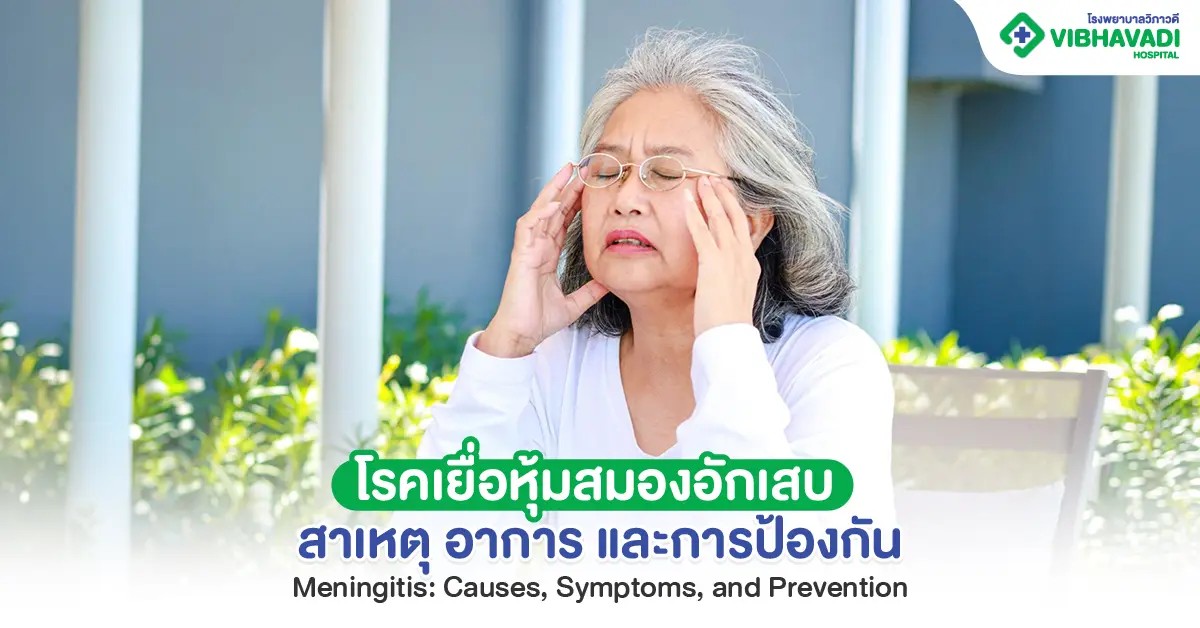
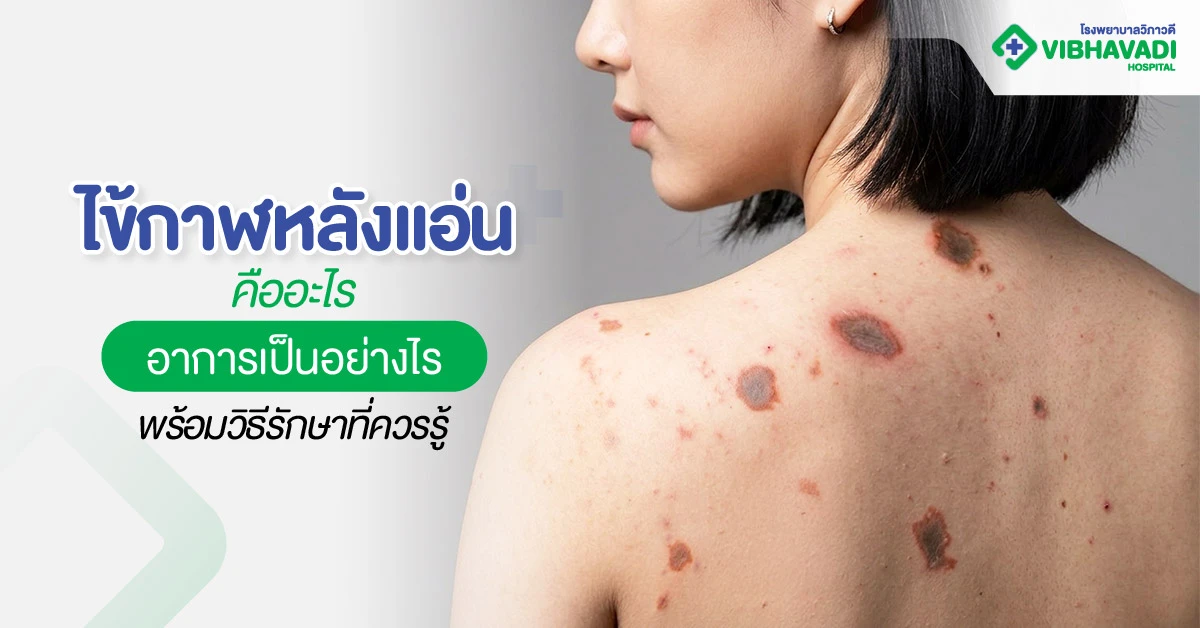
- Symptoms of meningococcal meningitis include sudden high fever, chills, severe and persistent headache, extreme fatigue, muscle aches, and possibly nausea. Other symptoms include stiff neck, difficulty bending the neck, petechiae (small red or purplish rash) on the skin, lethargy, confusion, shortness of breath, cold hands and feet, decreased urination, or unconsciousness.
- Prevention of meningococcal meningitis involves avoiding close contact with people who have fever, sore throat, or respiratory infections; covering your mouth and nose when coughing or sneezing; washing hands frequently; avoiding sharing personal items; getting enough rest; and eating a nutritious diet. And get vaccinated if you are in the at-risk group.
Meningococcal meningitis has resurfaced in the spotlight due to outbreaks abroad. It's a bacterial infection that causes severe, acute symptoms and can be fatal. However, it's actually preventable through strict adherence to preventative measures. If symptoms appear, seek medical attention immediately. This article provides answers on how to prevent, care for yourself, and observe symptoms.
/Vibhavadi%20Hospital%20-%20Apr%20Article%207%20(%E0%B9%84%E0%B8%82%E0%B9%89%E0%B8%81%E0%B8%B2%E0%B8%AC%E0%B8%AB%E0%B8%A5%E0%B8%B1%E0%B8%87%E0%B9%81%E0%B8%AD%E0%B9%88%E0%B8%99%20%E0%B8%AD%E0%B8%B2%E0%B8%81%E0%B8%B2%E0%B8%A3)_Article.jpg)
What is Meningococcal Meningitis?
Meningococcal meningitis is a severe bacterial infection caused by the bacterium Neisseria meningitidis. It can lead to meningitis or sepsis. Although uncommon in Thailand, it is highly dangerous. If not treated promptly, death can occur within 24 hours. Survivors may experience permanent complications such as deafness or limb loss.
Causes of Meningococcal Meningitis
- It is caused by the bacterium Neisseria meningitidis, a characteristic gram-negative, spherical bacterium that typically lives in pairs.
- Patient Strains There are several strains of this bacterium, but the main groups affecting humans are strains A, B, C, W, and Y (including strain X in some areas).
- Carrier Status The bacteria can live in the nasal cavity and throat of many people without showing symptoms; these individuals are called carriers. However, they can still spread the infection to others.
- Once the bacteria enter the body, if the immune system cannot eliminate them quickly enough, it can cause severe inflammation, leading to meningitis or life-threatening sepsis.
How is Meningococcal Meningitis Transmitted?
Meningococcal meningitis is transmitted from person to person through large respiratory droplets from the upper respiratory tract. Although the virus doesn't spread far through the air like COVID-19, it can be easily transmitted through close contact with an infected person or carrier, including
- Prolonged exposure to an infected person in a confined space such as a classroom, dormitory, or military camp.
- Direct inhalation of infected droplets into the respiratory tract from coughing or sneezing.
- Contact with saliva, exchanging saliva through kissing, or sharing personal items such as drinking glasses, cutlery, straws, or cigarettes.
- Crowded and poorly ventilated areas increase the risk of transmission.
/Vibhavadi%20Hospital%20-%20Apr%20Article%207%20(%E0%B9%84%E0%B8%82%E0%B9%89%E0%B8%81%E0%B8%B2%E0%B8%AC%E0%B8%AB%E0%B8%A5%E0%B8%B1%E0%B8%87%E0%B9%81%E0%B8%AD%E0%B9%88%E0%B8%99%20%E0%B8%AD%E0%B8%B2%E0%B8%81%E0%B8%B2%E0%B8%A3)_Article2.jpg)
What are the symptoms of meningococcal meningitis?
- Sudden, high fever with chills and a rapid onset of malaise.
- Severe, persistent headache that is more intense than usual.
- Extreme fatigue, muscle aches, and loss of appetite.
- Nausea and vomiting may also occur.
- Stiff neck, difficulty bending the neck, and pain or stiffness in the neck when trying to move it.
- Petral hemorrhages or purplish-red rashes appear on the skin, especially on the trunk, arms, and legs.
- Lethargy, confusion, shortness of breath, cold hands and feet, decreased urination, or unconsciousness.
- In young children, meningococcal meningitis may manifest as unusual irritability, lethargy, refusal to feed or suckle, and a bulging fontanelle may be observed along with the high fever.
Who is at risk of developing meningococcal meningitis?
- Young children, especially those under 2 years old, due to their underdeveloped immune systems.
- Adolescents and young adults, especially those living in crowded places such as university dorms, boarding schools, or military camps.
- People living in densely populated areas or areas with seasonal outbreaks and poor sanitation.
- People with compromised immune systems, such as those without a spleen. Or, spleen dysfunction, as the spleen plays a crucial role in eliminating this type of bacteria. Other risk factors include congenital immunodeficiency.
- Travelers and those residing abroad, especially in areas where the disease is frequently prevalent, are also at risk.
How to recognize the symptoms of meningococcal meningitis
- High fever that worsens rapidly; sudden, sharp fever; severe headache and body aches; symptoms worsen faster than a common cold.
- Stiff neck; inability to bend the head; severe neck pain or stiffness when moving the neck.
- Petrococcal rash; red rashes or petechiae on the skin that do not fade when pressed, or rashes that spread rapidly.
- Lethargy, confusion, shortness of breath, cold hands and feet, or decreased urination are signs of organ failure.
- In infants, high fever accompanied by unusual fussiness, lethargy, refusal to feed, or a bulging fontanelle.
Treatment of meningococcal meningitis
- If meningococcal meningitis is suspected, the patient will be immediately hospitalized as it is an emergency requiring close monitoring.
- Intravenous antibiotics will be administered quickly to inhibit the infection and reduce the spread of the disease. This may be done before or after sample collection, depending on the doctor's discretion.
- Confirmation of the diagnosis will be performed. Blood tests and lumbar punctures are performed for culture to identify bacterial species and adjust antibiotics accurately.
- Supportive treatment is provided, including fluid replacement, fever reducers, and pain relievers, along with monitoring of respiratory and circulatory systems. In severe cases, vasopressors or mechanical ventilation may be necessary.
- Monitoring for complications is crucial, including monitoring kidney, heart, and brain function, as well as post-operative rehabilitation to minimize long-term effects such as hearing problems or disability.
- Contact tracing is necessary; individuals in close contact with the patient may need prophylactic antibiotics as advised by a doctor or healthcare professional.
/Vibhavadi%20Hospital%20-%20Apr%20Article%207%20(%E0%B9%84%E0%B8%82%E0%B9%89%E0%B8%81%E0%B8%B2%E0%B8%AC%E0%B8%AB%E0%B8%A5%E0%B8%B1%E0%B8%87%E0%B9%81%E0%B8%AD%E0%B9%88%E0%B8%99%20%E0%B8%AD%E0%B8%B2%E0%B8%81%E0%B8%B2%E0%B8%A3)_Article3.jpg)
How to Care for Yourself When You Have Meningococcal Meningitis
- If you suspect you have been infected, go to the hospital immediately. Do not self-medicate or wait and see, as the disease can spread rapidly.
- Follow your doctor's instructions closely. Take antibiotics as prescribed; do not stop taking them even if your symptoms improve.
- Rest as directed by your doctor, avoid strenuous activity, and observe for any unusual symptoms such as spreading rash, lethargy, seizures, or difficulty breathing. Report any of these symptoms immediately to healthcare professionals.
- Drink enough fluids as advised by your doctor to support blood circulation and kidney function.
- Prevent the spread of infection by separating all personal items such as drinking glasses and cutlery, and wear a face mask to reduce the risk to others.
- Inform family members or close contacts to see a doctor immediately for preventative medication or risk assessment.
How to Prevent Meningococcal Meningitis
- Maintain social distancing. Avoid close contact with people who have fever, sore throat, or respiratory symptoms, especially in crowded and poorly ventilated areas.
- Maintain good hygiene. Cover your mouth and nose with a tissue or your elbow when you cough or sneeze, and wash your hands frequently to reduce the spread of infection.
- Avoid sharing personal items. Avoid sharing drinking glasses, straws, cutlery, or personal items with others, especially in high-risk groups or during outbreaks.
- Maintain good health by getting enough rest and eating nutritious food to reduce the severity of infection.
- Get vaccinated. High-risk groups, such as young children, those without a spleen, or those traveling to affected countries and areas with outbreaks, should receive vaccinations as recommended by a doctor.
How many types of meningococcal vaccines are there?
- Combination vaccine (A, C, W, Y)
This is a conjugate vaccine covering the four main serotypes. It can be administered starting from age 1 year. Typically, one dose is given, with boosters recommended every 3-5 years if you remain in a high-risk area or are traveling abroad.
- Meningococcal B vaccine
This vaccine focuses on protecting against serotype B, which is common in Europe, Australia, New Zealand, and also found in Thailand. It can be administered starting from age 2 months. The number of doses depends on age. Young children usually receive 2-3 doses plus a booster, while older children and adults receive 2 doses according to the manufacturer's instructions.
Meningococcal Meningitis Treatment at Vibhavadi Hospital
For those who have recently returned from travel to countries with a history of meningococcal meningitis, or are concerned about whether they have it, you can receive preventative medication and treatment for various symptoms at Vibhavadi Hospital. We have expert doctors and state-of-the-art equipment to ensure immediate and targeted treatment. You will also receive advice on self-care to improve your condition and maintain good health.
Summary
Meningococcal meningitis is a severe bacterial infection transmitted through droplets and contact with saliva. It can cause meningitis or bloodstream infection, which can be life-threatening within 24 hours. Key symptoms include sudden high fever, stiff neck, and persistent petechiae (petiomyopathy). If you suspect you have meningococcal meningitis, seek immediate medical attention for intravenous antibiotics and monitoring for permanent complications. Prevention involves maintaining good hygiene, avoiding crowded places, and getting vaccinated against the main meningococcal strains according to individual risk, especially for young children and those traveling to endemic areas abroad.
For anyone who suspects or notices unusual symptoms, is unsure if it's meningococcal meningitis, or wants to get vaccinated before traveling abroad, you can consult with a doctor at Vibhavadi Hospital. Our doctors are ready to provide advice on self-care and disease prevention. To stay strong and healthy throughout the trip.
FAQ