What causes indigestion and bloating?
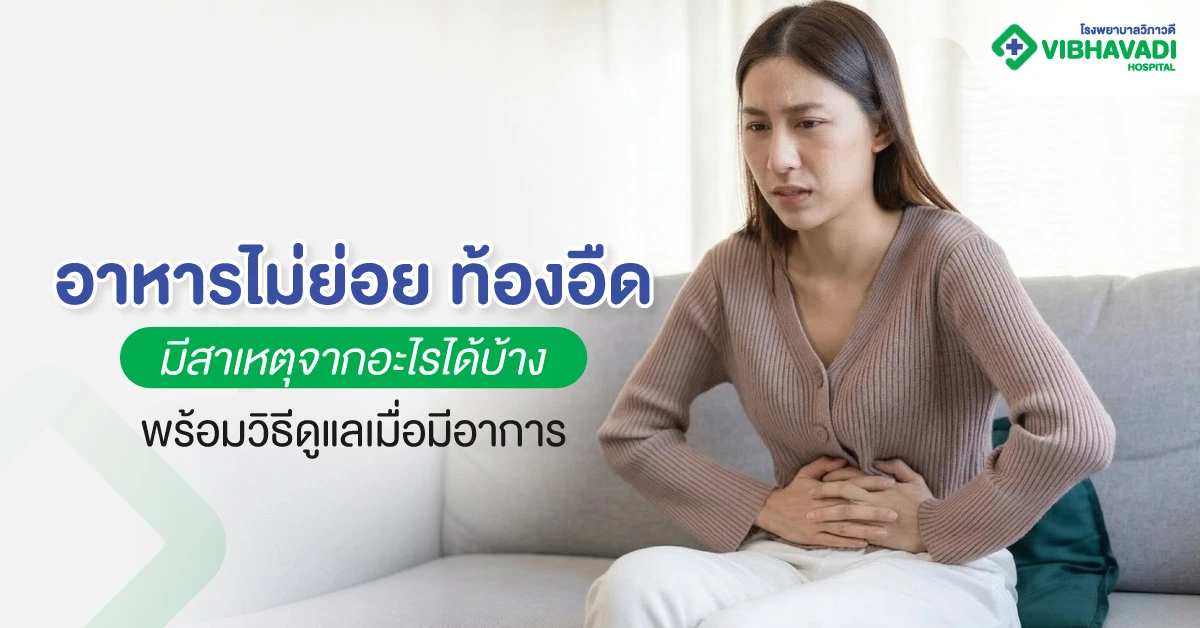
- Bloating and indigestion are primarily caused by the accumulation of gas in the digestive system or reduced digestive efficiency. This often results from eating too quickly, not chewing thoroughly, eating large meals, and consuming foods high in fat or gas.
- Symptoms of bloating and indigestion include chest and epigastric tightness, a feeling of fullness, discomfort, or pain in the upper abdomen, a swollen stomach, gas, flatulence, feeling full too quickly, heartburn, frequent belching, a sour taste in the mouth, stomach rumbling, and frequent flatulence.
- Solutions for bloating and indigestion involve modifying eating habits, avoiding gas-producing drinks, physical activity, and using appropriate pain relievers or digestive aids.
- Self-care after bloating subsides includes avoiding gas-producing foods and drinks, adjusting eating habits, choosing hygienically prepared food, and avoiding high-fat foods that are difficult to digest.
- Drink at least 6-8 glasses of clean water daily, exercise regularly, and manage stress.
What can cause indigestion and bloating? Bloating and indigestion can stem from various factors. Eating habits often contribute to bloating, such as eating too quickly, not chewing thoroughly, taking large bites, consuming fatty or spicy foods, and eating gas-producing foods like cabbage, beans, and carbonated drinks. Stress, certain medications, and underlying conditions like acid reflux, stomach ulcers, and irritable bowel syndrome can also play a role, making daily life more convenient. This article will offer advice on managing stomach discomfort, recommend foods to alleviate bloating, and suggest medications for indigestion and bloating to help you live more comfortably.
/1.jpg)
What Causes Bloating and Indigestion?
Bloating and indigestion are primarily caused by the accumulation of gas in the digestive system or decreased digestive efficiency. This is often due to lifestyle habits such as eating too quickly, not chewing thoroughly, eating large meals, and consuming foods high in fat or gas. Additionally, stress, smoking, and side effects from certain medications can also contribute. If symptoms are chronic, they may be warning signs of digestive disorders such as acid reflux, irritable bowel syndrome (IBS), or stomach ulcers.
What are the symptoms of bloating and indigestion?
- Tightness in the chest and epigastric area Feeling of fullness, discomfort, or pain in the upper abdomen, especially after eating.
- Bloated stomach and gas Feeling of gas buildup, discomfort, or abnormal abdominal distension.
- Feeling full too quickly Feeling bloated after eating only a small amount, or feeling like food is digesting slowly and remaining in the stomach for too long.
- Heartburn A burning sensation in the epigastric area or abdomen. Some people may experience heartburn along with acid reflux.
- Frequent burping A sour taste or smell of food returning to the mouth.
- Stomach rumbling, frequent flatulence, and excessive gas in the digestive tract.
Which types of bloating and indigestion warrant a doctor's visit?
- Frequent vomiting or vomiting with blood in the stool.
- Jaundice (yellowing of the skin and eyes).
- Severe and persistent abdominal pain.
- Abnormal bowel movements, chronic diarrhea, or blood in the stool.
- Rapid and unexplained weight loss.
/2.jpg)
How to Relieve Bloating and Indigestion
- Modify your eating habits, including chewing techniques, portion sizes, and choosing easily digestible foods.
- Avoid gas-producing drinks and allow time between meals before lying down.
- Use physical activity and natural remedies to help expel gas, such as light walking, using digestive aids, or massage.
- Choose appropriate medications or digestive aids as advised by your doctor or pharmacist when experiencing abdominal discomfort or bloating.
What are some medications to relieve bloating?
- Simethicone
- Antacid (red or white liquid antacid)
- Activated Charcoal
- Digestive enzymes
- Anti-flatulence herbs
- Antacids or Eno
Recommended foods to help relieve bloating and indigestion
- Fresh ginger or ginger tea
- Warming herbs such as basil, turmeric, lemongrass, black pepper, and fingerroot.
- Fruits containing digestive enzymes such as pineapple, papaya, banana, cucumber, and tomato.
- Herbal drinks such as chamomile tea and peppermint tea.
- Warm lemon water.
- Foods containing probiotics such as yogurt and kimchi.
- Apple cider vinegar (ACV).
/3.jpg)
Foods to Avoid When Experiencing Bloating and Indigestion
- Spicy, sour, or salty foods can irritate the stomach lining.
- High-fat and fried foods are difficult and time-consuming to digest, leading to prolonged bloating and discomfort.
- Cow's milk and bakery products stimulate gas and fermentation in the intestines, especially when the digestive system is malfunctioning.
- Raw vegetables and fruits are high in fiber, which can overwork the digestive system when it's sensitive.
How to Care for Yourself After Bloating Relieves
- Avoid gas-producing foods and drinks such as sugary desserts, soda, alcohol, and dairy products. Eat adequate amounts of fruits and vegetables.
- Adjust your eating habits. Avoid large meals, eating too quickly, and avoid sitting or lying down immediately after meals.
- Choose hygienically cooked food and avoid high-fat foods that are difficult to digest.
- Drink enough water; aim for at least 6-8 glasses of clean water daily.
- Exercise regularly to stimulate digestive and excretory system movement.
- Reduce stress and engage in calming activities such as yoga, breathing exercises, or meditation.
- Quit smoking to reduce the risk of stomach ulcers and chronic digestive problems.
Treat bloating and indigestion at Vibhavadi Hospital.
If you experience indigestion, bloating, or stomach discomfort, don't ignore it, as it may be a sign of a serious digestive issue. Consult a doctor at the Gastroenterology Center at Vibhavadi Hospital. We have advanced diagnostic technology to provide targeted treatment, helping you feel more comfortable and enjoy your meals more.
summary,
Most cases of bloating and indigestion are caused by improper eating habits, gas buildup, or gastrointestinal disorders. These result in symptoms such as heartburn, epigastric pain, abdominal distension, and acid reflux. Initial care involves lifestyle changes such as chewing thoroughly, avoiding fatty or spicy foods, and consuming warming herbs like ginger or fruits with digestive enzymes like pineapple. If symptoms persist, supplements such as simethicone or probiotics can be used to restore gut balance.
If you experience any warning signs, such as severe abdominal pain, vomiting blood, jaundice, or unusual weight loss, seek immediate medical attention. At Vibhavadi Hospital, we offer expert care from gastroenterologists and utilize state-of-the-art technology for targeted treatment, combined with lifestyle adjustments, ensuring a healthy and enjoyable eating experience every day.
FAQ