What are the symptoms of an allergy to PM 2.5 dust?
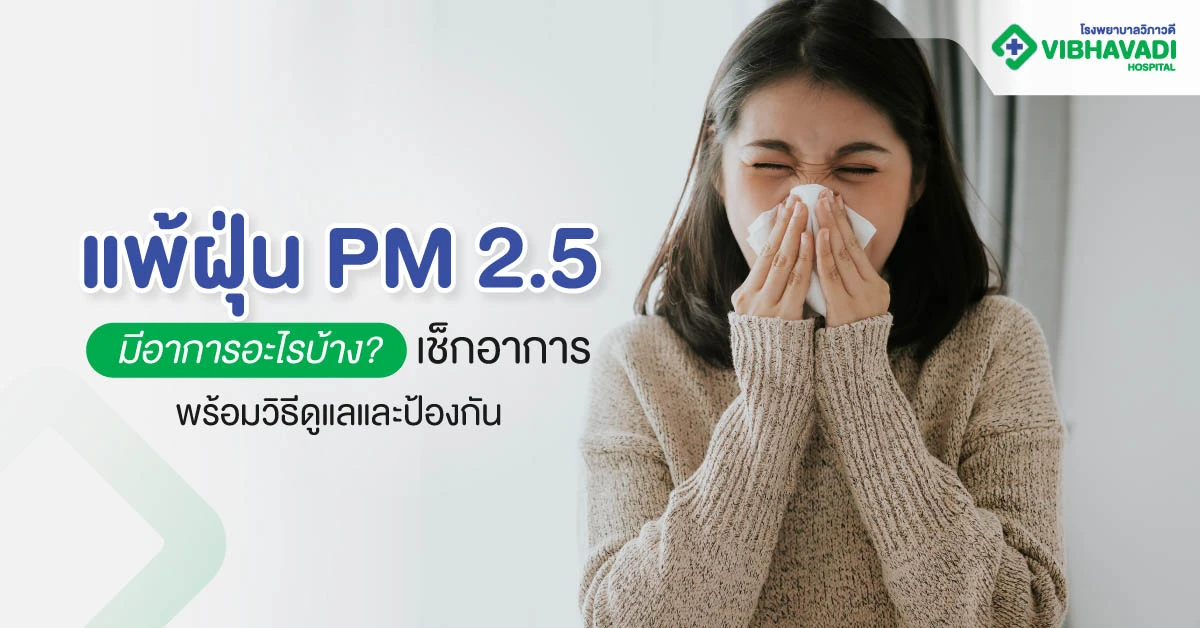
- Allergic reactions to PM2.5 dust affect the respiratory system, causing frequent sneezing, nasal congestion, runny nose, nasal itching, red rashes, itching, burning sensations on the skin from PM2.5, red and burning eyes, and a constant feeling of dust particles stuck in the eyes.
- To manage PM2.5 allergies, start by rinsing your nasal passages with saline solution, take antihistamines to reduce sneezing and runny nose, apply moisturizing lotion, use a vacuum cleaner or damp cloth instead of sweeping, keep windows tightly closed, and use an air purifier.
- To protect against PM2.5, use a high-efficiency air filtration system, maintain regular cleanliness of your living space, avoid polluted areas, and wear an appropriate protective mask.
- Effective masks for PM2.5 protection should be N95, KN95, or FFP2 standards, as they have a filtration efficiency of over 95% for small particles. The mask must cover from the bridge of the nose to below the chin without any gaps.
In the current situation, PM 2.5 dust is an unavoidable problem, causing many people to suffer from PM 2.5 allergies. This affects the respiratory system, skin, and eyes. Observable symptoms include dry or productive coughing, sneezing, nasal congestion, runny nose, eye irritation, red and itchy eyes, watery eyes, itchy skin, and hives. This significantly impacts daily life. If symptoms do not improve within 2 weeks, seek medical attention. This article will explain the symptoms of PM 2.5 allergies, along with targeted care and prevention methods.
/1.jpg)
What are the symptoms of PM 2.5 allergy?
Respiratory System
- Allergy-like symptoms frequent sneezing, nasal congestion, runny nose, nasal itching, and throat irritation.
- PM 2.5 coughing both dry and productive, often chronic.
- Breathing abnormalities difficulty breathing, chest tightness, shortness of breath, or wheezing.
- Risk groups People with pre-existing conditions such as asthma, emphysema, or bronchitis are more prone to exacerbation.
Skin
- Red, itchy, burning rashes on the skin from PM 2.5 in areas directly exposed to the air.
- Dry, peeling, dull complexion, or dark spots from accumulated inflammation.
- People with pre-existing skin allergies or hives often experience worsening symptoms when exposed to dust.
Eyes and Mucous Memories
- Red eyes, burning sensation, and a constant feeling of dust trapped in the eyes.
- Itchy eyes, watery eyes, or dry eyes after prolonged outdoor exposure.
- May experience slight blurred vision or conjunctivitis in cases of severe pollution exposure.
Who is at higher risk of more severe symptoms?
- Individuals with chronic illnesses, especially respiratory, heart, vascular, diabetes, liver, and kidney diseases, may experience exacerbated symptoms such as chest tightness and wheezing due to dust exposure, and are at risk of heart failure.
- Elderly individuals (50-60 years and older) are at increased risk due to weakened immune systems and declining organ function.
- Young children have developing lungs and weakened immune systems, along with a faster breathing rate than adults, leading to rapid and significant dust accumulation.
- Pregnant women are directly affected by pollution, increasing the risk of premature birth, miscarriage, or developmental delays.
- Occupations requiring outdoor work, such as traffic police, motorcycle taxi drivers, and street vendors, are also at risk due to prolonged and direct exposure to dust.
/2.jpg)
How to Care for PM 2.5 Allergic Reactions
- Rinse your nasal passages with saline solution to remove trapped dust, and shower and wash your hair immediately upon returning home.
- Use medication to relieve symptoms. Take antihistamines to reduce sneezing and runny nose, or use artificial tears to rinse your eyes if irritation occurs.
- Care for your skin. Apply moisturizing lotion to reduce itching and strengthen the skin's protective barrier.
- Adjust your home cleaning methods. Use a vacuum cleaner or damp cloth instead of sweeping to prevent dust from spreading in your home.
- Prevent from the source. Close windows tightly, use an air purifier, and wear an N95 mask whenever you need to go outdoors.
How to Protect Yourself from PM 2.5
- Use a high-efficiency air filtration system. Live in a well-ventilated building or use an air purifier with a HEPA filter, which can capture small particles like PM 2.5. This is a way to prevent and reduce the chance of allergic reactions.
- Maintain regular cleanliness of your home. Regularly clean your house to reduce dust accumulation, and clean air conditioner filters or replace air purifier filters as scheduled.
- Avoid high-pollution areas. Avoid traveling to areas with high dust levels if unnecessary, such as areas near industrial factories, open burning, or areas with heavy traffic congestion. Wear an appropriate protective mask if you need to go outside.
- Choose a mask specifically designed to filter PM 2.5 particles to prevent excessive dust inhalation that can harm your health.
Are standard dust masks really effective?
Wearing an N95, KN95, or FFP2 mask is highly effective in protecting against PM 2.5 particles. These masks are designed to filter particles as small as 0.3 microns with over 95% efficiency, which is better than ordinary cloth masks. However, choose a mask that fits snugly to your face to prevent gaps from leaking into your body.
/3.jpg)
What types of masks protect against PM 2.5?
N95 Masks
- Highly effective at filtering fine dust particles and PM 2.5, trapping over 95% of particles.
- The structure emphasizes a snug fit to the face, sealing gaps around the edges, and features an extra-fine filter layer to trap very small particles.
- Suitable for those in areas with extremely high dust levels or those regularly exposed to high levels of pollution and dust.
KF94 Masks
- Filter over 94% of fine dust particles and PM 2.5.
- Designed for a comfortable fit, not too tight around the mouth, allowing for easy breathing and comfort.
- Combines highly efficient fine dust filtration with practicality for all-day use.
Surgical Masks
- Filter PM 2.5 at a moderate level, approximately 50-60%.
- Designed primarily to protect against aerosols and the spread of common respiratory illnesses.
- These masks don't fit as snugly to the face as N95 masks, leaving gaps at the edges where small dust particles can leak in.
Fabric Masks:
- Generally, they only filter 30-40% of PM 2.5 particles.
- Efficiency depends on the type of fabric and the number of layers used. If a mask is absolutely necessary, choose a finely woven, thick fabric with at least three layers.
- Adding a filter such as activated carbon or nanofilter can be used to improve the capture of small dust particles.
Recommendations for Choosing a PM 2.5 Mask:
- Use N95, KN95, or FFP2 standard masks, as they have a filtration efficiency of over 95% for small particles.
- The mask must cover from the bridge of the nose to below the chin and must not have any gaps for outside air to leak in.
- Choose a snug-fitting strap, such as a two-strap head strap system, which will provide a better seal than typical ear loops.
- Check before use: Test by exhaling forcefully. If you find air leaking out of your nose or cheeks, immediately adjust the mask's position. Change your mask when necessary. Replace your mask immediately if it's dirty, damaged, or if you start experiencing difficulty breathing.
Treat PM 2.5 allergy symptoms at Vibhavadi Hospital.
What are the symptoms of PM 2.5 allergy? There are several symptoms that affect health in various ways. If you experience any unusual symptoms, you can receive treatment at the Respiratory Disease Center at Vibhavadi Hospital. Our expert doctors are ready to provide consultation and targeted treatment using modern technology to help you live a healthy life.
summary,
PM 2.5 dust affects the respiratory system, skin, and eyes, especially vulnerable groups such as children, the elderly, and pregnant women, who may experience severe symptoms leading to heart failure or harming the fetus. Basic self-care includes nasal rinsing, applying topical medications to relieve symptoms, and cleaning living spaces with damp cloths to reduce dust dispersion. The most effective prevention is wearing a standard N95, KN95, or KF94 mask that fits snugly to the face, along with using an air purifier with a HEPA filter in well-ventilated buildings.
If you experience severe or persistent symptoms lasting more than two weeks, consult a doctor for diagnosis and treatment. Vibhavadi Hospital doctors are ready to provide consultation, recommend treatment, and help you manage your health with greater confidence every day.
FAQ