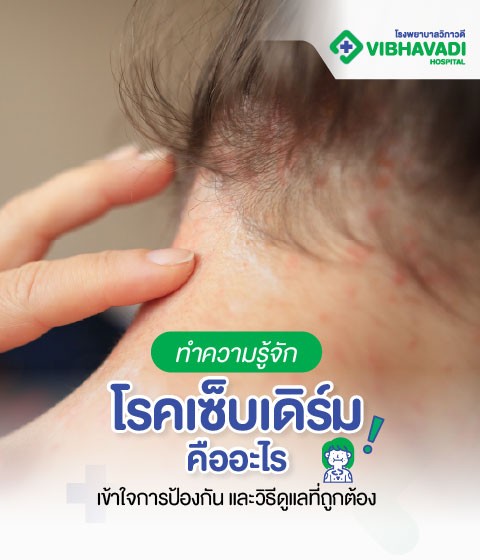
What types of Atopic Dermatitis should you be wary of?

- Atopic dermatitis is a chronic inflammatory skin disease that causes dry, red, and itchy skin that comes and goes. It can occur at any age, especially in skin folds and on the face. It is caused by genetics, weather conditions, and allergens.
- Symptoms of atopic dermatitis include itchy red rashes on the body, frostbite-like rashes, hives, fibrous rashes, petechiae (small blood spots), and fluid-filled blisters.
- Treatment for atopic dermatitis includes medications containing steroids, topical calcineurin inhibitors, antibiotics, antihistamines, and self-care measures such as avoiding hot or warm baths, using mild soaps, applying moisturizing lotion, wearing cotton clothing, avoiding triggers, and refraining from scratching or picking at the skin.
Atopic dermatitis is a chronic inflammatory skin condition that causes itchy, red, and dry rashes. It often recurs and can affect people of all ages, from childhood to adulthood. It commonly appears in skin folds, on the face, and neck. Causes include genetics, immune system dysfunction, and environmental triggers that cause itching in these areas. Management involves keeping the skin moisturized and preventing dryness and itching. This article will provide more information on atopic dermatitis, including how to recognize its symptoms, treatment options, and self-care for healthy skin.
%20Re-op/1.jpg)
What is Atopic Dermatitis?
Atopic dermatitis is a chronic inflammatory skin disease caused by an overactive immune system to react to stimuli. It results in dry, red, and itchy skin that comes and goes. It can occur at any age, particularly in areas like skin folds and the face. Causes include a combination of genetic and environmental factors such as allergens, as well as emotional and stressful conditions.
What Causes Allergic Skin Rashes?
The exact cause of allergic skin rashes is unknown, but it is believed to be due to the following
- Genetics Allergies or immune system dysfunction, or inherited from parents.
- Weather Extreme heat or cold, low humidity, and sweat can irritate the skin.
- Allergens Airborne allergens such as dust mites and pollen; food allergens such as milk, eggs, and seafood; and everyday chemicals such as detergents and perfumes, as well as animal dander and mold.
%20Re-op/2.jpg)
Skin Rashes and Itching What are the different types?
Red, itchy rashes on the body
Morbilliform rash is the most common type of red rash or clear blisters. It is often itchy and may be followed by peeling or scaling. Causes include drug allergies, infections, insect bites, and contact with everyday irritants such as cosmetics or cleansers. Stress and lack of sleep can worsen symptoms.
Blistering rashes
Dyshidrotic eczema is a chronic, relapsing skin condition characterized by small, hard, clear blisters on the palms, soles, or sides of the fingers. It is often accompanied by severe itching. Causes may include allergies, irritation from excessive hand washing, or contact allergies to substances such as perfumes and chemicals in skincare products. If a bacterial infection occurs, the blisters may become pus-filled and later peel off.
Hives
Urticaria is characterized by raised, red, non-scaled patches that are itchy and spread rapidly across the body and limbs. This type of rash is unique in that it often disappears without a trace within 24 hours, but it can recur frequently. If you experience other unusual symptoms such as abdominal pain, chest tightness, difficulty breathing, or shortness of breath, you should see a doctor immediately, as these may be signs of a severe and life-threatening allergic reaction.
Fibrous Rashes
Livedo Reticularis is a rare skin condition caused by vasculitis, a disease that disrupts the circulatory system. It is characterized by a network-like pattern on the skin, petechiae, or tender nodules under the skin. If left untreated, it can lead to ischemia of the extremities, such as fingers, toes, or the tip of the nose, causing chronic ulcers or tissue necrosis. Because it is a complex and dangerous condition, treatment requires close monitoring by a specialist physician.
Rashes with Petechiae
Vasculitis is caused by inflammation of the capillaries. It often appears on the legs as raised red bumps that do not fade when pressed, blisters that may rupture, or purplish-red reticular rashes. This type of rash may occur without a known cause. Or it may be related to autoimmune diseases such as SLE and severe infections such as tuberculosis or hepatitis. If you find a rash like this, you should not ignore it and should see a doctor immediately for treatment.
Clear, fluid-filled blisters
Vesiculobullous Eruption is a type of skin inflammation characterized by clearly visible, clear blisters scattered across the body. It can be caused by many factors, ranging from an autoimmune response causing skin stratum corneum, genetics, infections such as herpes or chickenpox, to irritation from chemicals or severe friction. It may also be a sign of certain underlying conditions such as diabetes or blood disorders (Porphyria). If the blisters are widespread or occur on mucous membranes, you should see a doctor for a thorough diagnosis.
What types of rashes warrant a doctor's visit?
- Severe itching that interferes with daily life.
- Rash accompanied by severe pain.
- Rash lasting longer than 2 weeks.
- Itching with no known cause.
- Blister-like rashes around the eyes or genitals.
- Rapidly spreading rash; rash spreads rapidly over a wide area of the body.
- Severe accompanying symptoms such as high fever, fatigue, pain in the rash area, or swollen lymph nodes.
- Severe allergic reaction (Anaphylaxis) difficulty breathing, chest tightness, swelling of the face or mouth.
- Blisters or pus-filled blisters; these pose a risk of serious infection.
- Rashes in sensitive areas; rash around the eyes, in the mouth, or genitals.
- Purple-red petechiae (small reddish-purple spots) that do not fade when pressed (Vasculitis).
Diagnosis of Atopic Dermatitis
- Medication history and physical examination
- Examination of the rash in various locations
- Skin patch test to identify allergens
- Blood test for IgE levels to check allergy levels
Treatment of Atopic Dermatitis
- Steroidal medications Topical steroids applied to severe rashes to reduce inflammation and itching. Used short-term as prescribed by a doctor to prevent skin thinning.
- Calcineurin inhibitors Topical calcineurin inhibitors such as Tacrolimus or Pimecrolimus for moderate to mild rashes to prevent flare-ups.
- Antibiotics Used for infections such as pustules. Topical or oral as prescribed by a doctor.
- Antihistamines Oral or topical to reduce itching and allergic reactions, and prevent scratching.
- Immunosuppressants Used in severe cases, such as Dupilumab injection, to reduce inflammation from autoimmune reactions.
%20Re-op/3.jpg)
How to Care for Your Skin When You Have an Atopic Eczema
- Avoid hot or warm baths.
- Choose a gentle soap or fragrance-free baby soap.
- Apply a mild lotion or moisturizer regularly to reduce dryness, a major cause of itching.
- Choose clothing made from breathable cotton.
- Avoid triggers such as dust mites, extreme heat or cold, and stress.
- Choose loose-fitting clothing.
- Do not scratch or pick at the skin, as this can spread the rash and lead to infection. Use a cold compress or apply calamine lotion for relief.
How to Prevent Skin Rashes
- Apply moisturizer regularly to create a protective barrier and prevent dry, tight skin, which is the starting point of rashes.
- Adjust your bathing habits; avoid very hot water or prolonged baths, and choose gentle cleansing products.
- Avoid irritants such as fragrances, alcohol, and chemicals, and clean your living space to reduce the accumulation of dust mites and mold.
- Pay attention to yourself; when you sweat excessively, dry yourself off or shower immediately to reduce the accumulation of dirt.
Skin Examination and Treatment for Atopic Dermatitis at Vibhavadi Hospital
If you experience itching or skin irritation that persists for several weeks, or notice any other unusual symptoms, you can get a skin examination and treatment for atopic dermatitis at the Dermatology Center of Vibhavadi Hospital. With state-of-the-art technology, we provide accurate diagnosis and targeted treatment for itching, performed by expert physicians.
Summary
Atopic dermatitis is a chronic inflammatory disease caused by genetics and an overactive immune response to irritants. It often presents with dry, itchy, red skin, or blisters in skin folds and on the face. Symptoms range from common itchy rashes to more serious conditions like vasculitis. Treatment focuses on antihistamines, steroids, or immunosuppressants under medical supervision, along with prevention through regular moisturizer application, avoiding hot water, chemicals, and dust mites.
If you experience severe symptoms such as rapid spread, difficulty breathing, fever, or persistent petechiae (small red spots) that don't fade when pressed, you should see a doctor immediately for diagnosis and targeted treatment. Vibhavadi Hospital offers advanced diagnostic equipment and targeted treatment for confident skin health.
FAQ