What are some guidelines for postpartum care?
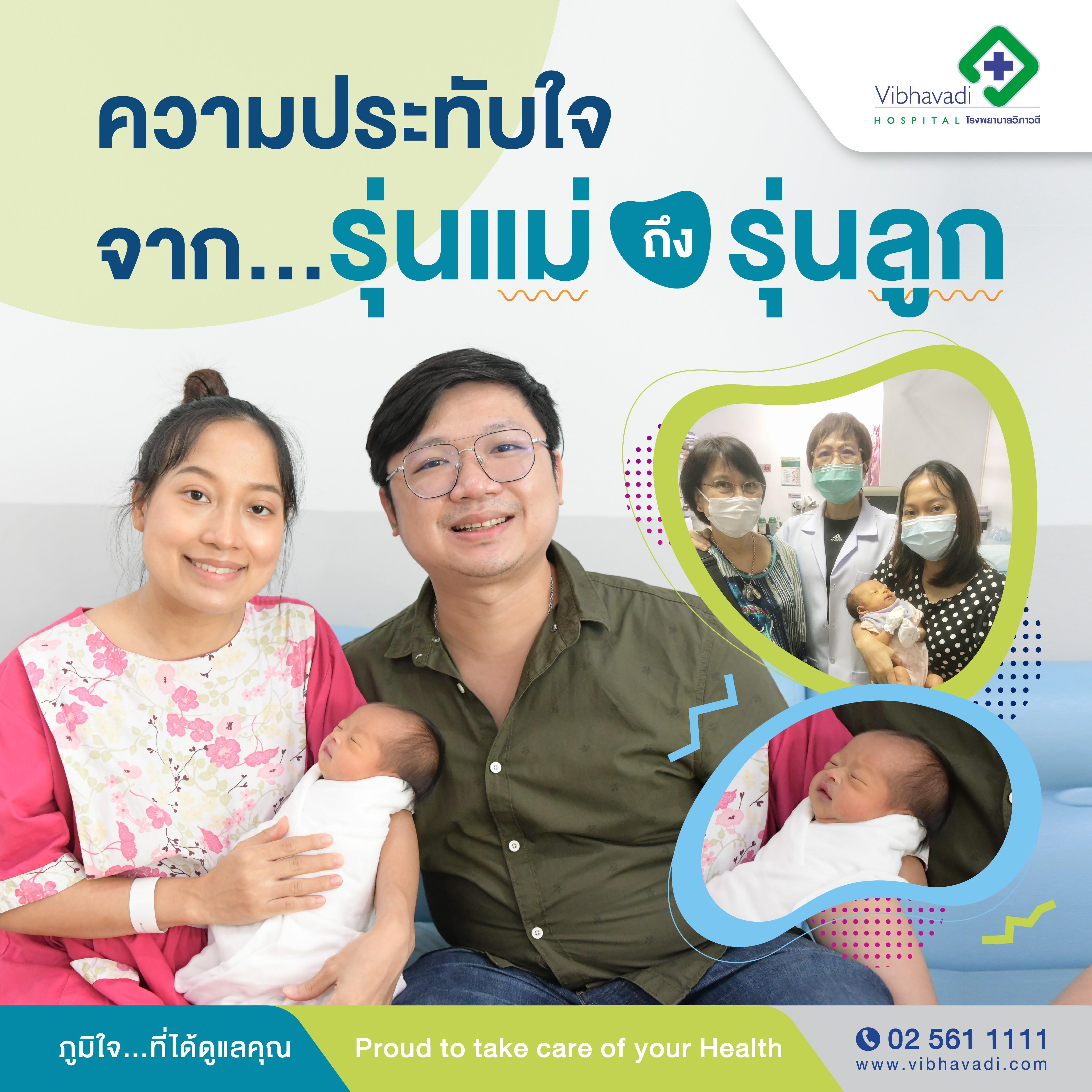
- Postpartum care is the process of restoring the physical and mental health of the mother during the first 6 weeks after delivery. It is crucial in helping internal organs and the uterus return to their normal state, preventing dangerous complications, and reducing the risk of postpartum depression.
- For cesarean section deliveries, focus on keeping the abdominal incision clean and dry until permitted by the doctor. Avoid lifting heavy objects or straining the abdominal muscles, and engage in gentle physical activity. For natural birth deliveries, focus on gently cleaning and drying the episiotomy wound and changing sanitary pads frequently to prevent infection.
- Foods that stimulate breast milk production should focus on warming vegetables and herbs rich in blood-nourishing nutrients that promote blood circulation, such as banana blossoms, ginger, basil, pumpkin, ivy gourd, and papaya.
- Vaccinations required immediately after birth to build a protective shield against diseases from birth Infants receive two basic vaccines before discharge the BCG vaccine against tuberculosis and the first dose of the hepatitis B vaccine (HBV).
The postpartum period is a crucial transition for mothers, impacting their physical and mental well-being as they adjust to their new role in caring for their newborn. While many focus primarily on pregnancy and childbirth, postpartum care is another vital period that shouldn't be overlooked. This article covers all aspects of postpartum self-care, including recovery, wound care, nutrition, breastfeeding, and essential precautions for new mothers, helping you prepare with confidence.
%20-%20reop/Vibhavadi%20Hospital%20-%20May%205%20(%E0%B8%81%E0%B8%B2%E0%B8%A3%E0%B8%94%E0%B8%B9%E0%B9%81%E0%B8%A5%E0%B8%AB%E0%B8%A5%E0%B8%B1%E0%B8%87%20%E0%B8%84%E0%B8%A5%E0%B8%AD%E0%B8%94)%20-%20reop-01.jpg)
What is Postpartum Care and Why is it Important?
Postpartum care is the process of restoring a mother's physical and mental health after childbirth. This generally takes about 6 weeks, during which various organs, especially the reproductive system, are adjusting back to their pre-pregnancy state. Care during this time includes wound care (episodenum or cesarean section wounds), rest, monitoring for abnormalities, and balancing emotions and nutrition.
The Importance of Postpartum Care
- Restores the body and internal organs, helps the uterus contract normally, and promotes proper healing of delivery wounds, preventing wound dehiscence.
- Prevents dangerous complications. Close monitoring reduces the risk of postpartum hemorrhage, uterine infection, or mastitis.
- Manages emotional changes. After childbirth, hormone levels drop rapidly, coupled with fatigue from caring for an infant. Proper care and understanding can help prevent and manage postpartum depression.
- Promotes milk production. Adequate rest and balanced nutrition are crucial in stimulating the body to produce sufficient and high-quality breast milk for the baby.
What are the aspects of postpartum physical care?
Postpartum recovery varies depending on the method of childbirth. Mothers need to carefully care for their wounds and strictly follow their doctor's instructions to ensure a speedy recovery and return to strength. Postpartum care guidelines are as follows
Cesarean Section
A cesarean section is a major surgery that involves making an incision in the abdomen and uterus. This results in a longer recovery and wound healing period than a normal delivery. Postpartum care guidelines include
- Caring for the abdominal wound Keep the wound dry until your doctor permits. If the wound gets wet, gently pat it dry with a clean cloth; do not rub vigorously.
- Avoid lifting heavy objects Refrain from lifting objects heavier than the baby's weight or straining your abdominal muscles for at least 6 weeks to prevent the surgical wound from rupturing.
- Movement After a cesarean section, try to walk or move your body gently to stimulate bowel function, reduce bloating, and prevent adhesions in the abdomen.
- Observe for abnormalities If the wound becomes swollen, red, hot, oozing pus or fluid, or if you have a high fever, seek immediate medical attention.
Natural Childbirth
Although the body recovers more quickly after a natural childbirth, an episiotomy wound remains. Postpartum care guidelines include
- Caring for the episiotomy wound Clean the wound with warm or clean water after each bowel movement. Then gently pat dry with a clean cloth; do not rub vigorously.
- Maintain cleanliness at all times. Change sanitary pads frequently, every 3-4 hours, to prevent buildup and reduce the risk of vaginal infection.
- Reduce pressure on the wound. In the initial period, sit on a donut-shaped cushion to reduce pain from pressure on the episiotomy wound.
- Exercise pelvic floor muscles. Practice Kegel exercises to help tighten pelvic floor muscles and prevent urinary incontinence.
- Monitor lochia. Normally, lochia is bright red for the first 3-4 days and then gradually fades. If you find that the lochia becomes bright red again, is unusually heavy, or has a strong odor, you should see a doctor immediately.
Postpartum mental health that mothers should not overlook.
In addition to physical recovery, mental health is another very important aspect. After childbirth, mothers often experience rapid hormonal changes, coupled with fatigue from sleep deprivation and the pressure of caring for a baby, which increases the risk of emotional disorders such as
- Baby Blues, the most common condition in postpartum mothers, is characterized by mood swings, irritability, crying without reason, irritability, or anxiety. Baby blues typically occur in the first 2-3 days after delivery and usually improve and disappear within 1-2 weeks with adequate rest.
- Postpartum depression is a more severe and prolonged condition than baby blues. Mothers experience intense sadness, hopelessness, worthlessness, a lack of connection with their baby, or believe they are a bad mother. If symptoms persist for more than 2 weeks, seek medical attention for evaluation and treatment.
- Postpartum psychosis, while rare, is the most serious. Mothers may experience delusions, auditory hallucinations, delirium, or thoughts of harming themselves or their baby. This is a medical emergency requiring immediate psychiatric treatment.
%20-%20reop/Vibhavadi%20Hospital%20-%20May%205%20(%E0%B8%81%E0%B8%B2%E0%B8%A3%E0%B8%94%E0%B8%B9%E0%B9%81%E0%B8%A5%E0%B8%AB%E0%B8%A5%E0%B8%B1%E0%B8%87%20%E0%B8%84%E0%B8%A5%E0%B8%AD%E0%B8%94)%20-%20reop-02.jpg)
Foods that postpartum mothers can and cannot eat
Can be eaten
- High-quality protein lean meats, fish, eggs, and milk to help repair tissues and heal wounds after childbirth.
- Iron-rich foods liver, red meat, and dark green leafy vegetables (such as spinach and water spinach) to compensate for blood loss during childbirth.
- Calcium-rich foods milk, small fish, and black sesame seeds to nourish the mother's bones and increase calcium in breast milk.
- High-fiber foods fresh fruits and vegetables, brown rice, and minimally processed grains to stimulate bowel movements and prevent constipation.
- Clean water drink at least 8-10 glasses of water per day, preferably warm water, to help stimulate blood circulation and increase breast milk production.
Cannot be eaten/should be avoided
- Alcoholic beverages alcohol can pass through breast milk to the baby, negatively affecting the baby's growth and brain development.
- Fermented and raw/undercooked foods risk of bacterial and parasitic contamination, which can cause food poisoning or gastroenteritis.
- Spicy, salty, or sour foods foods with strong flavors should be avoided. May easily cause bloating, gas, or acid reflux.
- Traditional Thai herbal remedies, tonics, or herbal medicines with unknown properties may contain alcohol or substances that affect the uterus and breastfeeding. Always consult a doctor before consuming them.
What foods help stimulate breast milk production?
- Banana blossom Rich in calcium, protein, iron, and phosphorus, it nourishes the blood and stimulates milk production.
- Ginger A warming herb that stimulates blood circulation, making milk flow easier. It also helps reduce bloating and gas in both mother and baby.
- Basil Warming and fragrant, it stimulates blood circulation and helps increase milk supply.
- Pumpkin Rich in vitamins A, C, zinc, and beta-carotene, it nourishes the body and improves the quality of breast milk.
- Ivy gourd High in protein, iron, and calcium, it nourishes breast milk, blood, and bones.
- Papaya Both unripe and ripe papaya are high in vitamins and fiber, helping to increase breast milk supply and prevent constipation.
Essential Vaccines for Infants Immediately After Birth
Vibhavadi Hospital understands the current situation where many parents face significant expenses in caring for their children. Therefore, we have designed vaccination packages to help parents plan their expenses more easily. The packages are as follows
- Package 1 (Baby 1) covers basic vaccines including Hepatitis B and fever reducer (for infants aged 1 month) and the 5-in-1 combination vaccine Diphtheria, Tetanus, Pertussis, Polio, and HIB (for infants aged 2 and 4 months).
- Package 2 (Baby 2) covers all the basic vaccines as in Package 1, including Hepatitis B, fever reducer, Diphtheria, Tetanus, Pertussis, Polio, and HIB, but adds the Rotavirus vaccine at 2 and 4 months of age.
- Package 3 (Baby 3) covers all essential infant vaccines, including basic vaccines, Rotavirus vaccine, and IPD vaccine at 2 and 4 months of age.
Post-natal care and physical exercises upon returning home
For mothers who had a natural birth, exercise can begin 2-3 days after delivery. Mothers who had a cesarean section should wait at least one month. Starting earlier will help strengthen the body. Here are some exercises
- Exercises for chest, shoulders, back, neck, and abdomen Lie on your back and slowly lift your head until your chin touches your chest. Repeat 10 times. If your abdomen is very loose, use both hands to support the abdominal muscles.
- Exercises for legs, thighs, abdomen, and hips Lie on your back with knees together and arms at your sides. Lift your hips while contracting your glutes to help the episiotomy wound contract better.
- Exercises for the abdomen, hips, chest, and to expel lochia Lie face down in a bent-over position with your knees as close to your chest as possible, chest flat on the floor. Hold for 2 minutes, then use a pillow under your abdomen to rest for another 30 minutes.
- Full-body muscle exercises Start from a crawling position. Bend your head down, contract your abdomen, tighten your hips, then lower your body until your buttocks touch your heels and forehead to the floor. This helps the uterus contract faster.
- Vaginal muscle exercises Contract your vaginal or anal muscles as if you were holding in urine. Do this while lying down, sitting, or doing housework. 20 times a day, 5-10 minutes each time.
- Chest, abdominal, and lung exercises Lie on your back with your legs straight. Take a deep breath while contracting your abdominal muscles to keep your lower back flat on the floor. Slowly exhale. Repeat 10 times.
- Arm, chest, and lung exercises Lie on your back and raise both arms straight up until your hands meet. Then slowly lower your arms back to your sides. Repeat 10 times.
- Leg, hip, and abdominal exercises Lie on your back and slowly raise one leg at a time until it's perpendicular to your body. Repeat 10 times on each side. As you get stronger, you can raise both legs simultaneously.
- Abdominal, shoulder, back, and neck exercises Lie on your back with your knees bent and try to sit up without using your arms. Do this 1-2 times a day and gradually increase the number as you get stronger.
- Abdominal, hip, and leg exercises Lie on your back with your knees bent towards your abdomen until your heels touch your buttocks. Then straighten your legs and slowly lower them to the floor. Repeat one leg at a time and increase the number of repetitions daily.
Postpartum Rest
Besides exercise, rest is essential for postpartum care. Mothers experience accumulated fatigue from caring for their babies and losing significant blood and energy. Here are some ways to rest
- Sleep with your baby Newborns wake to feed every 2-3 hours. Therefore, mothers should find time to nap while their babies are sleeping to accumulate sufficient sleep hours.
- Share the housework Ask your husband or family members for help with housework or take turns caring for the baby to reduce physical and mental stress and prevent postpartum depression (baby blues).
%20-%20reop/Vibhavadi%20Hospital%20-%20May%205%20(%E0%B8%81%E0%B8%B2%E0%B8%A3%E0%B8%94%E0%B8%B9%E0%B9%81%E0%B8%A5%E0%B8%AB%E0%B8%A5%E0%B8%B1%E0%B8%87%20%E0%B8%84%E0%B8%A5%E0%B8%AD%E0%B8%94)%20-%20reop-03.jpg)
What postpartum symptoms warrant a doctor's visit?
- Excessive vaginal bleeding.
- Severe abdominal pain or cramping.
- High fever and chills, with a body temperature above 38 degrees Celsius.
- Difficulty urinating, such as frequent urination or burning sensation during urination.
- Inflammation, swelling, redness, or pus discharge from the surgical wound.
- Abnormalities in the episiotomy wound swelling, redness, pus, or bleeding.
- Abnormal lochia (lochia), foul-smelling discharge, or persistently dark red discharge for 15 days postpartum.
- Breast abnormalities lumps felt, swelling, or redness of the breasts.
Postpartum care costs at Viphavadee Hospital
Natural childbirth costs 49,900 THB, including
- 48-hour hospital stay (3 days, 2 nights)
- Doctor fees (obstetrician and pediatrician)
- Single room for the mother, including meals and services
- Newborn baby care
- Medical equipment
- Medications and supplies, including prescribed medications for home use.
- The cost includes
- Needleway examination for children using an OAES machine by an audiologist.
- Basic laboratory tests for children, such as thyroid test, bilirubin test, blood concentration test, and blood type test.
- Children's vaccinations (BCG 1 dose, Hepatitis B 1 dose, Vitamin K 1 dose).
Cesarean section cost 66,900 THB, including the following
- 72-hour hospital stay (4 days 3 nights).
- Fees for obstetrician, pediatrician, anesthesiologist, and surgical assistant.
- Single room for the mother, including meals and services.
- Newborn childcare costs.
- Medical equipment costs.
- Medications and medical supplies, including take-home medications as prescribed by the hospital.
- Needleway examination for children using an OAES machine by an audiologist.
- Basic laboratory tests for children, such as thyroid test, bilirubin test, blood concentration test, and blood type test.
- Children's vaccines (BCG 1 dose, Hepatitis B 1 dose, Vitamin K 1 dose).
Postpartum supplementary services
- Nursing pillow
- Breast pump
- Feeding cup
- Fresh ginger tea
- Certificate
Additional conditions to know
- In cases where a normal delivery is not possible, the price is 66,900 THB, plus actual costs.
- For cesarean section with sterilization, the cost is 72,900 THB.
- This package cannot be used for cesarean sections scheduled between 800 PM and 600 AM.
- A DVD recording of the cesarean section costs an additional 1,500 THB.
- In cases of co-morbidities, abnormal disease pathology, or complications, the hospital will charge additional costs at the normal rate.
Postpartum Care Consultation at Vibhavadi Hospital
For new mothers concerned about postpartum care, consulting with doctors or specialists in postpartum care at Vibhavadi Hospital is highly recommended. In addition to postpartum care packages for both natural and cesarean births, doctors are ready to provide advice on self-care, essential vaccines for your baby, and necessary tests to ensure a smooth postpartum transition home and reduce anxiety.
Summary
Postpartum care is a crucial process for physical recovery and wound healing after natural or cesarean birth. It involves observing warning signs that require medical attention, such as high fever, severe abdominal pain, wound inflammation, or abnormal lochia. Mothers should prioritize mental health to prevent postpartum depression, and pay attention to nutrition by choosing foods high in protein, iron, and calcium, and herbs that stimulate milk production, such as banana blossoms or ginger, while avoiding alcohol, caffeine, and fermented foods. Furthermore, it's important to find time to rest and sleep with your baby, engage in appropriate physical exercise, and plan your baby's vaccinations according to their age.
For consultations on postpartum care and essential vaccine packages for your child, please contact Vibhavadi Hospital. Because here, we are ready to provide advice on postpartum care, including self-care, nutrition, and necessary vaccinations, from child development specialists and doctors, so that mothers can get through this important period happily and in good health.
FAQ