What Is a Pacemaker Implant? Can It Treat Heart Disease?
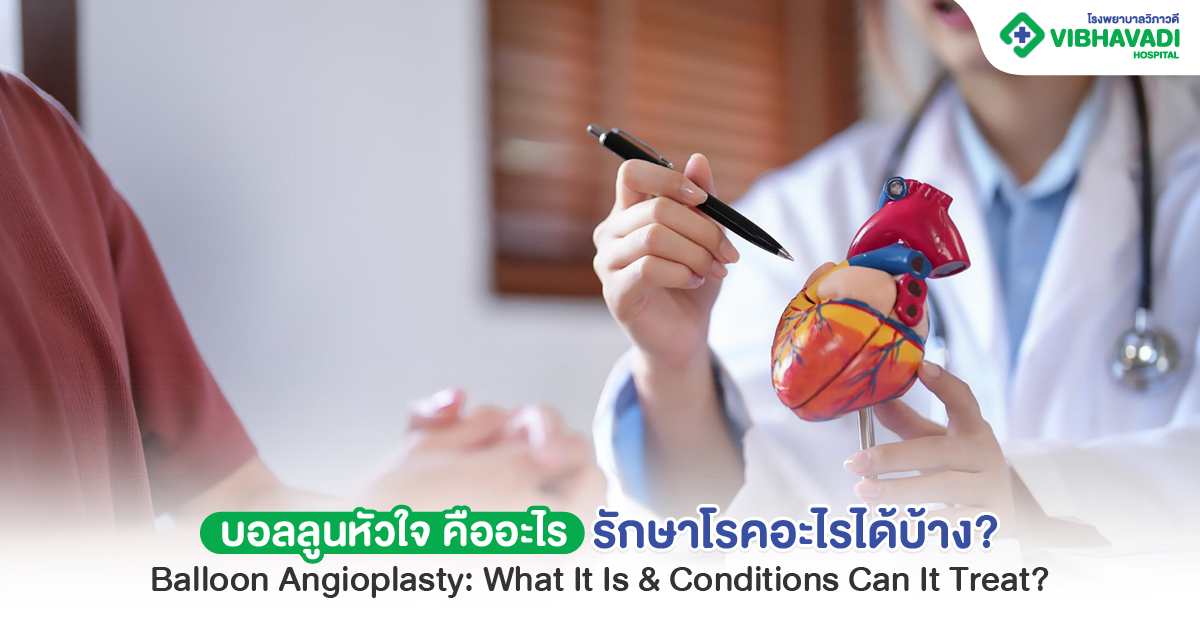
Coronary artery disease is a silent threat that can trigger heart attacks and sudden cardiac death at any time. As fat and plaque build up along the artery walls (Atherosclerosis), blood flow becomes obstructed. Balloon Angioplasty plays a crucial role in saving lives and restoring heart function.
This non-surgical procedure allows patients to avoid open-chest surgery, significantly shortening recovery time and helping them return to normal life faster. Understanding how balloon angioplasty works is essential for anyone at risk or currently managing heart conditions.
Key Takeaways
- Balloon Angioplasty or PCI is a procedure that expands narrowed coronary arteries using a tiny balloon-tipped catheter to restore healthy blood flow.
- It is a safe, minimally invasive procedure that creates only a small entry wound and typically takes 1 to 2 hours.
- A coronary stent is usually placed alongside the balloon to keep the artery propped open and prevent re-narrowing in the future.
- Patients undergoing balloon angioplasty generally stay in the hospital for just 1 to 2 days if no severe complications arise.
Table of Contents
Why Is Balloon Angioplasty Important?
Who Needs Balloon Angioplasty?
How to Prepare for Balloon Angioplasty
The Balloon Angioplasty Procedure
Post-Procedure Care for Balloon Angioplasty
Complications After Balloon Angioplasty
Non-Surgical Treatment for Coronary Artery Disease with Lower Risk
Frequently Asked Questions About Balloon Angioplasty
What Is Balloon Angioplasty?
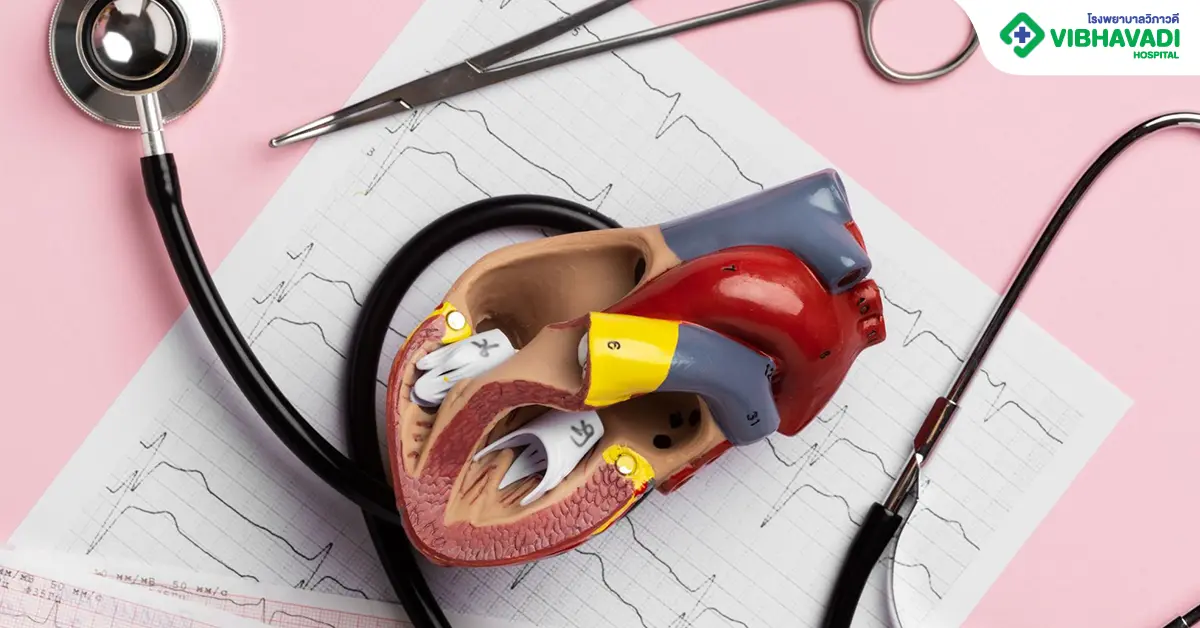
Balloon Angioplasty is a medical procedure where a thin, flexible catheter with a tiny inflatable balloon at its tip is threaded through an artery in the groin or wrist up to the narrowed area in the coronary artery. Once positioned, the balloon is inflated to compress fatty deposits and plaque against the artery wall, restoring blood flow without requiring open-heart surgery.
Medically known as Percutaneous Coronary Intervention (PCI), this advanced treatment ensures adequate blood and oxygen supply to the heart muscle—relieving chest pain and preventing permanent heart damage.
Why Is Balloon Angioplasty Important?
Balloon angioplasty is critical in cases of Acute Myocardial Infarction (heart attack), as it rapidly reopens blocked coronary arteries to restore blood flow, significantly reducing the risk of heart failure and mortality.
Additionally, it offers a prime alternative for patients who are not suitable candidates for Coronary Artery Bypass Grafting (CABG)—a major open-heart surgery with higher risks, especially for individuals with underlying medical conditions or complex comorbidities.
Who Needs Balloon Angioplasty?
Candidates considered for balloon angioplasty typically suffer from severe or high-risk coronary artery blockages, including:
- Patients with Frequent Chest Pain (Angina): Individuals experiencing persistent chest discomfort despite receiving optimal medical therapy.
- Patients with Critical Blockages: Those diagnosed with severe arterial narrowing following a coronary angiogram (cardiac catheterization).
- Patients with Severe Ischemic Heart Disease: Elderly patients or high-risk individuals who require detailed diagnostic evaluation, such as coronary angiography.
- Emergency Patients: Individuals suffering an acute, sudden arterial blockage who require immediate balloon angioplasty intervention to save heart muscle tissue.
How to Prepare for Balloon Angioplasty
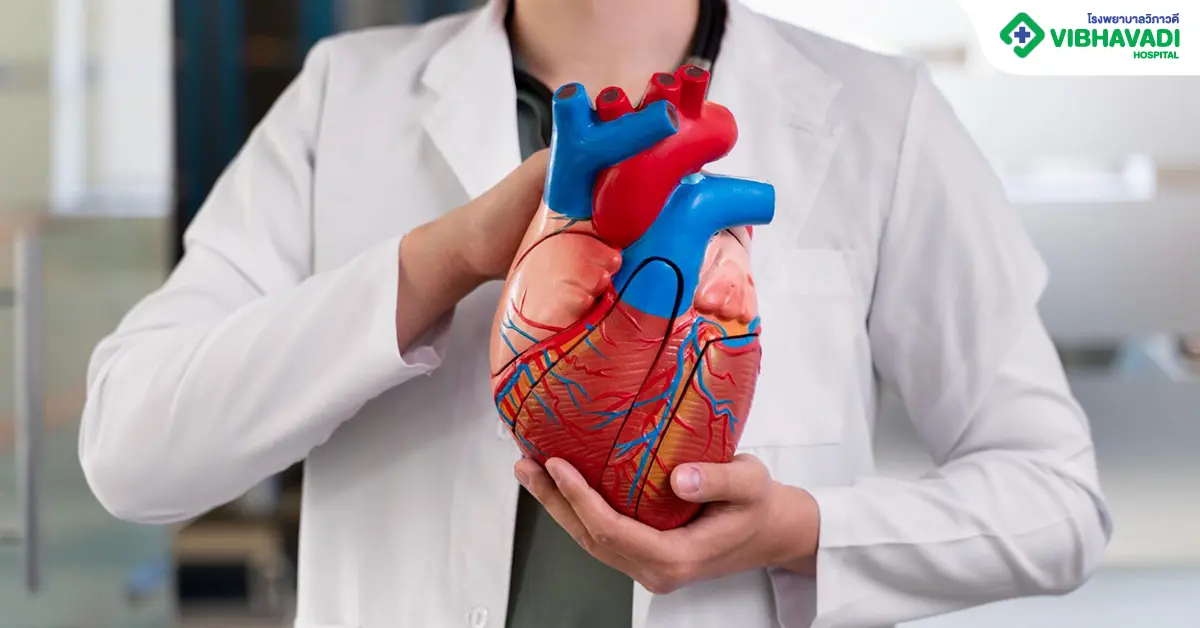
To ensure maximum safety during your balloon angioplasty, patients must strictly follow these pre-procedure instructions:
- Fast: Do not eat or drink anything for at least 6 to 8 hours prior to the procedure.
- Inform Allergy History: Notify your care team of any medication allergies, particularly allergies to seafood or contrast dye.
- Undergo Pre-Procedure Tests: Complete blood work to evaluate kidney function and blood clotting, along with an electrocardiogram (ECG).
- Prepare the Access Site: Clean and shave the skin around the designated catheter insertion site (wrist or groin).
The Balloon Angioplasty Procedure
The balloon angioplasty (PCI) procedure involves precise steps performed by a cardiologist:
- Local Anesthesia: Local anesthetic is injected at the access site (wrist or groin) to numb the area.
- Catheter Insertion: A thin catheter is guided through the artery up to the opening of the coronary arteries.
- Contrast Injection: Contrast dye is injected, and X-ray imaging is used to pinpoint the exact location of the blockage.
- Balloon Inflation: A tiny balloon catheter is guided to the blocked area and inflated to press fatty deposits and plaque against the arterial wall.
- Stent Placement: In most cases, a coronary stent is deployed at the site to keep the artery propped open.
- Catheter Removal: Once the artery is successfully opened, the catheter is removed, and pressure is applied to the access site to prevent bleeding.
Post-Procedure Care for Balloon Angioplasty
Proper post-procedure care is essential for long-term recovery and success:
- Rest and Wound Care: Remain still immediately following the procedure and keep the access site dry as instructed to prevent infection.
- Medication Adherence: Take all prescribed medications strictly—especially antiplatelet therapy—and never stop taking them without consulting your doctor.
- Restrict Physical Activity: Avoid heavy lifting and strenuous exercise for the first 1 to 2 weeks post-procedure.
- Adopt Healthy Lifestyle Habits: Modify your diet by reducing high-fat and high-sodium foods, and maintain stable blood sugar levels.
- Quit Smoking: Completely abstain from smoking, as it is a major risk factor for arterial re-narrowing (restenosis).
Complications After Balloon Angioplasty
Although balloon angioplasty is a safe and effective procedure, some potential side effects and complications may occur:
- Swelling, bruising, or bleeding at the catheter insertion site (wrist or groin).
- Adverse reactions to contrast dye, such as allergic rashes or temporary changes in kidney function.
- Restenosis (re-narrowing of the artery), which may occur if post-procedure medication and lifestyle recommendations are not maintained.
- A small risk of blood clot formation (stent thrombosis) within the stent during the initial healing period.
Patients often ask about survival rates after cardiac interventions. The outcome depends heavily on the cardiologist's expertise, the selected treatment method, and the patient's overall health status.
Non-Surgical Treatment for Coronary Artery Disease with Lower Risk
Balloon Angioplasty represents a major medical advancement that turns high-risk coronary blockages into manageable conditions without open-heart surgery. Thorough pre-procedure preparation and dedicated post-procedure care ensure that stents and balloons function effectively, helping patients regain heart health and return to active lives.
The Heart Center at Vibhavadi Hospital provides comprehensive, international-standard care for cardiovascular patients. Our team of cardiologists and healthcare specialists provides personalized guidance through every stage—from diagnostic coronary angiography to balloon angioplasty. If you have questions regarding heart procedure safety, recovery timelines, or diagnostic testing, Vibhavadi Hospital is here to assist you.
- Facebook: Vibhavadi Hospital
- Line: @Vibhavadihospital
- Email: custserv@vibhavadi.com
- Tel: 02-058-1111 หรือ 02-561-1111
Frequently Asked Questions About Balloon Angioplasty
How Many Days of Recovery Are Needed After Balloon Angioplasty?
Patients typically stay in the hospital for observation for 1 to 2 days. If the entry wound is healing well and no complications occur, patients are discharged to continue resting at home. Most individuals can resume light, non-strenuous daily activities within 1 week. (Diagnostic angiography alone generally requires a slightly shorter observation period.)
How Long Does a Heart Stent Last?
The lifespan of a stent depends primarily on long-term health management. If you consistently take antiplatelet medications and effectively manage risk factors like diabetes and hypertension, the stent can remain open and support blood flow for a lifetime. However, unmanaged lifestyle factors can lead to new blockages forming in other arteries.
What Foods Should You Avoid After Balloon Angioplasty?
Patients should avoid foods high in saturated fats, such as fatty meats, butter, coconut milk, and ultra-processed foods. High-sodium items and pickled products should also be avoided to prevent hypertension. Additionally, reducing sugar and sweet foods helps decrease blood vessel inflammation, lowering the risk of post-procedure complications.
References
- Angioplasty. (2025, March 4). Cleveland Clinic. https://my.clevelandclinic.org/health/treatments/22060-angioplasty
- Metkus, T. (2024, May 8). Balloon angioplasty - short segment. MedlinePlus. https://medlineplus.gov/ency/anatomyvideos/000008.htm
- Majeed, H. (2022, September 14). Percutaneous Transluminal Angioplasty and Balloon Catheters. National Library of Medicine. https://www.ncbi.nlm.nih.gov/books/NBK565853/
- Balloon Angioplasty. (n.d.). The Heart Medical Group. https://caliheartdocs.com/conditions-services/services/balloon-angioplasty/
- Overview Coronary angioplasty and stent insertion. (2022, October 4). NHS. https://www.nhs.uk/tests-and-treatments/coronary-angioplasty/
Testimonials
Proud to take care of you