Herniated Disc Care: Neuro Medicine Center
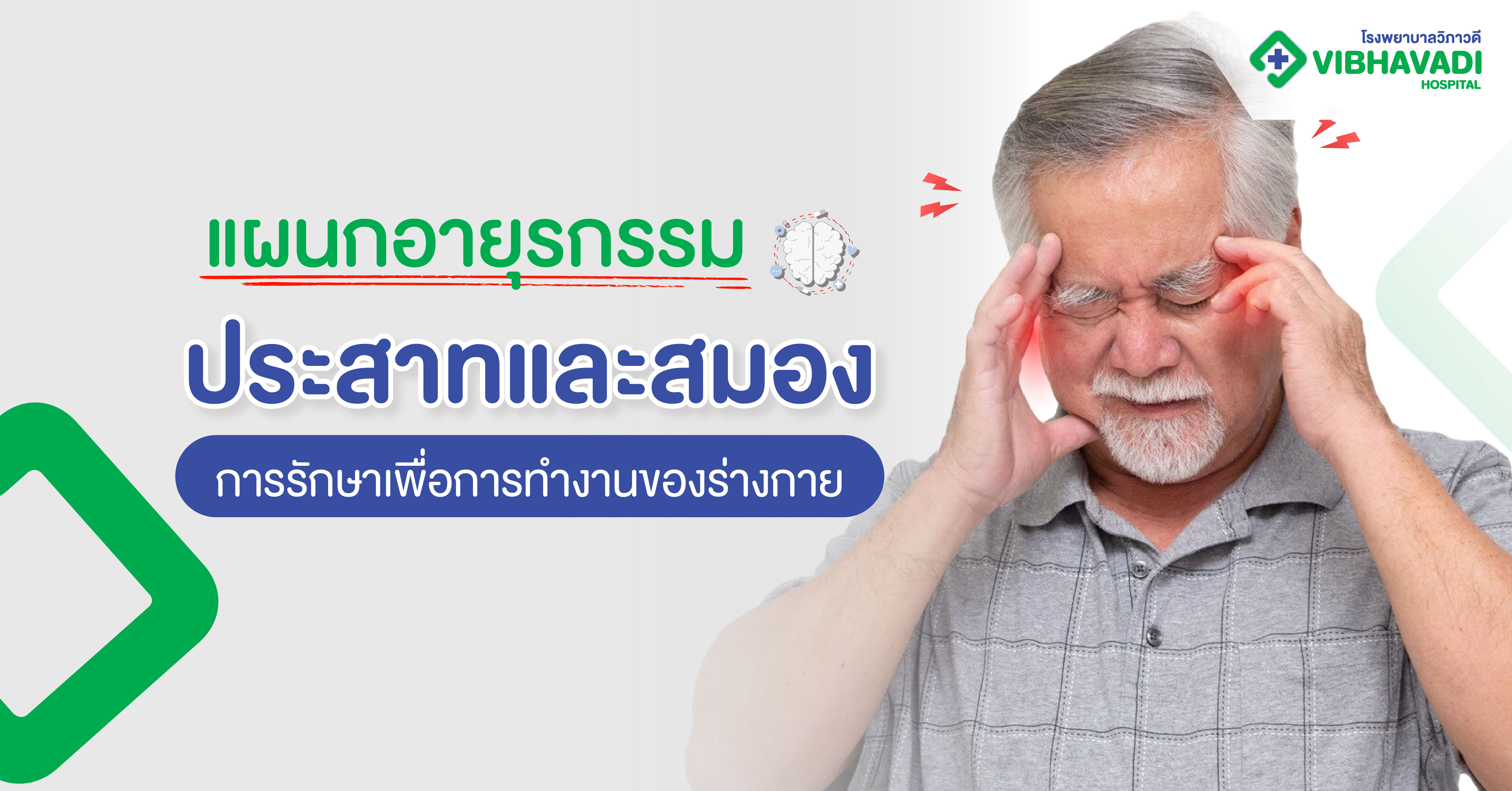
Neuro Medicine Center
A Neuro Medicine Center provides care for various neurological and spine related issues, like a herniated disc. With its effect on mobility, comfort and quality of life, a healthy spine is essential for an individual.
Understanding Herniated Discs
A frequent cause of back and neck pain is a spinal condition known as a herniated disc. This can affect a person's daily life, activity and even limit their movement. Learning about the effects of herniated discs, how they develop and their symptoms can allow individuals to seek help from healthcare professionals when needed.
What Is a Herniated Disc?
When the soft gel like center of the spinal disc pushes through a tear or a weak area in its tough outer layer, a herniated disc occurs. At times it is also referred to as a slipped or ruptured disc. This allows the disc to put pressure on nearby spinal nerves by pushing on it, thus causing pain, numbness and weakness of the muscle.
Affecting the lower back or also known as the lumbar spine, herniated discs most commonly affect that part of the body. However, they can also occur in the neck or the cervical spine. The symptoms one goes through depends on which nerves are being pushed on and how severe the herniation is.
Risk Factors for Herniated Discs
A herniated disk can develop due to several factors including age, as spinal discs naturally lose their flexibility and strength as one ages. Additionally, occupational hazards also contribute with jobs that require repetitive lifting, bending, or twisting.
A high body weight also adds pressure on the lower back, hence increasing the chance of an individual developing herniated discs. Genetics also plays a part as ones family history of disc problems can also make them vulnerable to getting it. Disc structure can also be affected by smoking as this reduces the oxygen supply to the spinal discs.
Symptoms of a Herniated Disc
Depending on the location and severity of the slipped disc, symptoms can vary. Leg and arm pains that feel sharp and burning, which also radiate along the nerves are symptoms. Nerve compression may also cause excessive numbness and tingling.
An individual may also develop weakness in their muscles, this symptom comes because the pressure on the nerves may make them unable to send proper signals to certain muscles. Grip strength, balance and mobility is also weakened and may affect an individual's daily life. If symptoms get worse it is essential to seek help from a healthcare professional.
The Importance of Accurate Diagnosis
For an effective treatment it is vital to have an accurate diagnosis. Due to the fact that some of these symptoms overlap with other neurological or spinal issues, it is important that a detailed evaluation is conducted to identify the exact cause of the issue.
Diagnostic Services at the Neuro Medicine Center
Comprehensive Neurological Examination
A Neuro Medicine Center offers a comprehensive examination which covers everything from muscle strength, reflexes, coordination and sensory responses. The results of these evaluations are then studied in order to know which nerve is being affected and to conduct further tests.
Imaging Studies
MRI can be used to get detailed images of the spinal discs, nerves and the surrounding soft tissues. CT scans can also be used in order to get cross sectional images of the spine and to detect any abnormalities.
Electrophysiological Tests
To measure the electrical activity of muscles and further use them to evaluate nerve functions, EMG can be used. An NCS test is then used to assess how quick and effective nerve signals are travelling.
Treatment Options for Herniated Discs
Each patient's treatment may differ from the other as treatment plans are tailored to fit the symptom and lifestyle of an individual. Relieving pain and reducing nerve compression while trying to restore function is the primary goal.
Conservative (Non-Surgical) Treatments
Non surgical methods like nonsteroidal anti-inflammatory drugs (NSAIDs), muscle relaxants, or corticosteroids can be used with individuals experiencing improvements. These help reduce pain and inflammation.
Another method is physical therapy, this can help strengthen an individual's back and core muscles. Ultimately improving strength, flexibility and even posture. Patients are also guided by healthcare professionals on tips that can make their daily life and spinal strength go hand in hand, these include things like ergonomic products, posture correction and even weight management.
Minimally Invasive Procedures
Conservative treatments may not always do the job so some patients may require a minimal invasive procedure. Epidural steroid injections are one of those procedures that can help reduce inflammation around the nerves, this provides pain relief and can improve mobility.
Surgical Treatment Options
When non-surgical methods don’t work, healthcare professionals may have to resort to surgery. Microdiscectomy is when the doctor removes the herniated portion of the disc to relieve pressure on the nerve. Laminectomy is when a part of the vertebra is removed this creates more space for spinal nerves.
Comprehensive Spine Care at Vibhavadi Hospital
Vibhavadi Hospital and its Neuro Medicine Center has a pool of experienced healthcare professionals to help with herniated disc issues including neurologists, neurosurgeons, physiatrists, and physical therapists.
It is essential to get yourself checked out immediately when noticing any symptoms as ignoring them may have long term consequences. Early detection also makes the treatment and recovery part much easier.
Frequently Asked Questions (FAQ)
Q1: What causes a herniated disc?
A: Herniated discs can result from age-related degeneration, improper lifting techniques, or traumatic injuries.
Q2: How is a herniated disc diagnosed?
A: Diagnosis involves a physical examination, imaging studies like MRI or CT scans, and sometimes nerve function tests.
Q3: Can herniated discs heal without surgery?
A: Many cases improve with conservative treatments such as medications and physical therapy. Surgery is considered when these methods are ineffective.
Q4: What are the risks of delaying treatment?
A: Untreated herniated discs can lead to chronic pain, nerve damage, and reduced mobility.
Q5: How can I prevent a herniated disc?
A: Maintain a healthy weight, practice proper lifting techniques, engage in regular exercise, and avoid smoking.
Testimonials
Proud to take care of you