Urology Surgery: Symptoms, Conditions, & Treatment
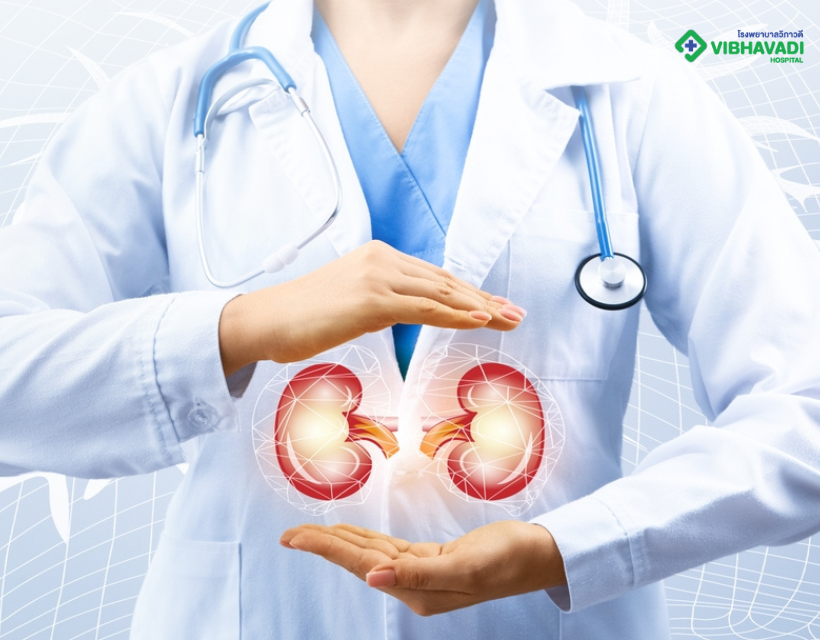

Urology Surgery
The start of urological issues often comes from mild symptoms. Frequent urination, pain when urinating, lower abdominal pain and incomplete emptying. If caught early it can go a long way in making the treatment easier, so it's important to see a doctor rather than ignoring it. If you have any of the symptoms listed above, it is advised that you visit a Urologic Surgery Center near you.
What Is the Urologic Surgery Center?
Urologic Surgery Centers, can help patients diagnose and treat urological issues. The organs that are usually affected by urological issues include: kidneys, bladders, ureters. Urethra, the male sexual reproduction organ, scrotum, prostate, seminal vesicles, ductus deferens and more. Doctors working in this field will first diagnose your issue through tests before pin pointing and treating the said issues. Urologic Surgery Center’s handle conditions involving the urinary tract, and reproductive system.
(Disclaimer: Individual conditions vary, and treatment decisions depend on a doctor’s assessment.)
Common Conditions Treated by Urology Surgery
1. Kidney and Bladder Stones
One of the most common urologic problems is stone formation. This is when a concentration of minerals causes sharp pain, infection or urinary blockage. Depending on the placement and the size of the stones, treatments can vary from shockwave therapy or endoscopic removal to other minimally invasive procedures.
2. Enlarged Prostate (Benign Prostatic Hyperplasia — BPH)
When an individual ages, the prostate often enlarges, this obstructs the free flow of urine and gives rise to incomplete urination, especially at night. Surgery may be required if medications do not provide the correct relief. Options include laser therapy and a variety of endoscopic approaches to relieve obstruction.
3. Urinary Incontinence and Overactive Bladder
A sudden leak of urine or the overwhelming feeling to urinate isn’t just part of getting older. When the bladder starts affecting daily life, certain surgeries can be conducted to support or reposition the urinary structure.
4. Cancers of the Urinary System
Cancer in the prostate, bladder, kidney or testicles allow surgery to play a vital role in the treatment process. Depending on the stage of the cancer, removing the tumor or damaged tissue may be part of the treatment plan.
5. Male Reproductive Conditions
Fertility issues including varicoceles and structural blockages, can be corrected surgically. Additionally, erectile dysfunction cases due to physical cause can also require surgery if the body does not respond to nonsurgical approaches.
6. Pediatric Urologic Conditions
Some kids might have undescended testicles or problems with their urinary system since they're more likely to develop them. When that happens, surgery right away helps stop bigger issues later while supporting normal growth along the way.
From Diagnosis to Recovery: How Urology Surgery Works
Accurate Diagnosis
The first step is for the doctor to diagnose the exact urological issue that one is going through. This has to be done before any treatment plan comes into action. Healthcare professionals use the help of X-rays, CT or MRI scans, lab tests, ultrasounds, endoscopy or biopsies; in order to accurately diagnose a patient's condition. The help of these individuals or a combination of each result helps doctors pinpoint and guide treatment decisions.
Treatment Planning
Once the diagnosis is clear, doctors will start coming up with a treatment plan that is tailored to the individual's condition. Surgery is only recommended if it is a necessity, these are in cases where medication is not enough or if structural issues need to be corrected.
(Disclaimer: Treatment plans are always individualized.)
Surgical Techniques
Modern urology surgery includes laparoscopic (keyhole) procedures, laser treatments, endoscopic approaches, cryotherapy, and other minimally invasive methods. These techniques reduce tissue disruption and typically support a smoother recovery.
Recovery and Follow Up
Recovery and following the advice of your doctor is as important as the treatment, and it varies depending on the type of surgery one has had. Many procedures allow individuals to return back to their full functionality earlier than usual, but follow ups are must in order to monitor the healing process. Follow ups are also important to prevent further complications and to manage the symptoms.
Urology Care at Vibhavadi Hospital
Vibhavadi hospital has a team of professional doctors and healthcare specialists that can help diagnose and treat urological conditions. The diagnosis starts with the examination of the patient's issue, this is done to assess what kind of urological condition is present. Doctors use the help of X-rays, CT or MRI scans, lab tests, ultrasounds, endoscopy or biopsies; in order to accurately diagnose an individual's condition. These multiple step diagnoses are done so your doctor can tailor the treatment plan towards your condition.
When medical technologies have progressed, renal diseases in connection with control and functions have been classified referred to as nephrology. Nephrologists are those specializing in this filed, and tumors and physical changes of kidney are under the responsibility of Urologic Surgery Center.
The diagnostic examination for this system requires laboratory test, X-ray, ultrasound, CT scan, MRI and neurological devices and a variety of endoscopes and biopsy to assure accurate diagnoses prior to treatments.
Urologic Surgery Center has urologists performing treatments based upon the standards of the Medical Council of Thailand.
Opening Hours: 08.00 - 19.00 Hours, Daily
For information, please call 02-561-1111, 02-058-1111 Ext. 4142-43
Testimonials
Proud to take care of you