Pediatric Dentistry: A Professional Guide to Your Child's
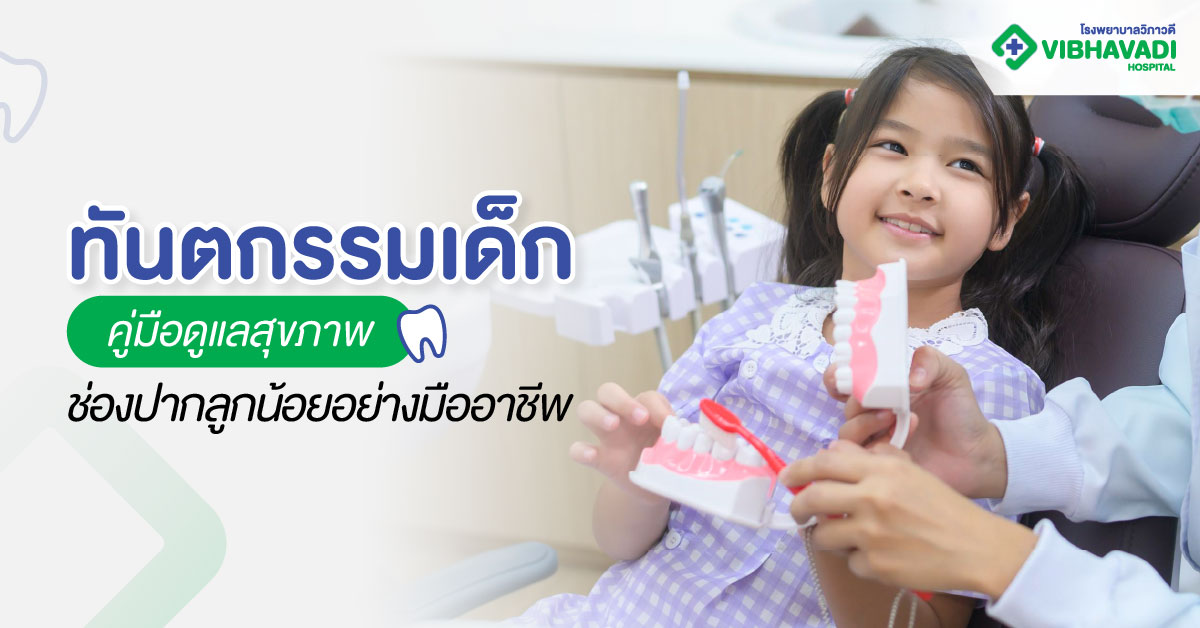
- Pediatric dentistry focuses on oral health care, especially brushing from the moment the first baby tooth erupts. This helps prevent cavities and establishes good oral hygiene habits.
- Taking children to the pediatric dentist as soon as their first baby tooth appears will create familiarity and reduce anxiety during checkups.
- After pediatric fillings, children should brush twice a day, use dental floss to clean between teeth, and avoid hard or sticky foods around the filling in the initial period to reduce the risk of tooth breakage or loss.
Good oral health in children is fundamental to their development in various aspects, such as chewing, speaking, smiling, and personality. Parents often have the misconception that "baby teeth don't need much care because they will fall out naturally," believing they require minimal attention. However, baby teeth play a crucial role, just like permanent teeth, in functions such as chewing and speaking.
This article provides recommendations for "pediatric dentistry," including brushing, preventing cavities, regular dental visits, and essential treatments.
/Vibhavadi%20Hospital%20-%20Nov%20Article%205%20(%E0%B8%97%E0%B8%B3%E0%B8%9F%E0%B8%B1%E0%B8%99%E0%B9%80%E0%B8%94%E0%B9%87%E0%B8%81)_Article.jpg)
What is pediatric dentistry and why is it important?
Pediatric dentistry is a dental service that focuses on caring for the oral health of children from birth. Specialized pediatric dentists can provide appropriate and safe examinations and treatments, reduce anxiety in young patients, and instill good oral hygiene habits appropriate to their age.
Having a specialized pediatric dentist ensures appropriate and safe examinations and treatments, reduces anxiety in children, and establishes good dental hygiene habits from a young age, which is crucial for long-term oral health and dental development.
Reasons to take your child to the dentist from a young age:
- Prevents cavities in baby teeth. Early dental checkups help prevent cavities and oral infections that can occur in baby teeth.
- Prevents damage to permanent teeth. Healthy baby teeth help reduce disease-causing bacteria in the mouth.
- Promotes familiarity with dental work. Starting dental visits at a young age helps reduce fear and anxiety about dental procedures.
- Develops good brushing habits. Dentists can advise on age-appropriate brushing techniques and oral hygiene.
- Detection of jaw abnormalities and crooked teeth. Regular visits every 6 months allow for monitoring of tooth and jaw growth. If abnormalities are found, referrals to an orthodontist can be made appropriately.
- Aids in speech and chewing development. Strong and well-aligned teeth promote clear speech and efficient chewing.
- Reduces long-term costs. Prevention is more effective than cure. Preventing cavities and oral problems early is often less expensive than treating major problems later.
17 Things You Should Know About Pediatric Dentistry
- Baby teeth are more important than you think. Baby teeth aren't just temporary; they help permanent teeth erupt as they age and contribute to normal chewing and speech development.
- Children should have their first dental visit when their first baby tooth erupts to check their baby teeth and assess their oral health from the very beginning.
- Take your child for a dental checkup every 6 months. Regular checkups help prevent cavities and other problems before they worsen.
- Prevent cavities with fluoride treatments. This strengthens tooth enamel and reduces the chance of decay.
- Reduce the chance of cavities on chewing surfaces with sealants. These sealants prevent food particles and bacteria from accumulating in the grooves of a child's teeth.
- Nighttime bottle feeding is a major cause of cavities in children. Sugary drinks or milk left in the mouth overnight accelerate tooth decay.
- Children should brush their teeth twice a day, and parents should help to ensure all teeth are clean and plaque is reduced.
- Flossing is essential for children, helping to clean between teeth that the brush can't reach.
- Sugary foods and soda are major culprits in cavities. They should be limited to prevent cavities and plaque buildup.
- Cavities in children should not be left untreated. Early treatment helps prevent infection and the progression of serious problems.
- Root canal treatment for baby teeth is necessary to reduce the risk of pulp infection and its spread.
- Baby tooth extraction must be evaluated by a dentist; it should not be attempted at home as it may lead to infection and other complications.
- Habits like teeth grinding, finger biting, and prolonged bottle feeding can cause tooth malformations. These should be observed and corrected from a young age.
- Accidental tooth impacts should prompt immediate medical attention for assessment of severity, proper advice, and treatment.
- Many children require orthodontic treatment from elementary school age. A diagnosis and appropriate treatment plan from a specialist orthodontist are essential.
- Cavities in baby teeth can spread to permanent teeth. Tooth decay in baby teeth creates a large population of pathogenic bacteria, affecting the permanent teeth.
- Instilling good dental hygiene habits from a young age helps reduce long-term problems, such as regular brushing and a proper diet.
/Vibhavadi%20Hospital%20-%20Nov%20Article%205%20(%E0%B8%97%E0%B8%B3%E0%B8%9F%E0%B8%B1%E0%B8%99%E0%B9%80%E0%B8%94%E0%B9%87%E0%B8%81)_Article2.jpg)
Signs You Should Take Your Child to the Dentist Immediately
There are several signs that indicate you should take your child to the dentist immediately to prevent problems that may worsen and affect their teeth and oral health in the long term. These include:
- Toothache or waking up in the middle of the night due to pain may indicate tooth decay or infection.
- Visible cavities, black spots, or discoloration of the tooth are early signs of decay that require treatment.
- Swollen, red, or easily bleeding gums may be due to gingivitis or infection.
- Refuses to chew food or cries in pain while eating, indicating oral pain.
- Unusually strong bad breath, even after brushing, may be due to tooth decay or infection.
- Abnormally loose teeth (not just age-related looseness) should be checked to prevent bite problems or tooth loss.
- Cracked, broken, or fractured teeth from tooth falls require immediate dental attention for evaluation and treatment.
- Permanent teeth erupting over baby teeth may require orthodontic treatment or extraction of the baby tooth.
- Pus spots or swelling on the gums are signs of a serious infection that requires treatment.
- A child complains of pain when brushing or refuses to let you brush one side of their teeth indicates a dental or gum problem that requires immediate examination.
Examination and Evaluation of a Child's Oral Health
A thorough oral examination and assessment of a child's mouth is a crucial step that helps dentists plan appropriate future oral health care and prevention. This includes several aspects, such as:
- Examining the condition of deciduous teeth, evaluating for cavities, erosion, or other abnormalities.
- Monitoring bottle feeding habits and assessing whether sucking behavior may affect teeth or bite.
- Assessing bite and jaw growth, checking tooth alignment and jaw development to prevent future crooked teeth.
- Taking X-rays as needed to check for lesions not visible to the naked eye, impacted teeth, or jaw bone structure problems.
/Vibhavadi%20Hospital%20-%20Nov%20Article%205%20(%E0%B8%97%E0%B8%B3%E0%B8%9F%E0%B8%B1%E0%B8%99%E0%B9%80%E0%B8%94%E0%B9%87%E0%B8%81)_Article3.jpg)
What pediatric dental services are available?
Pediatric dental services cover oral health care from prevention and restoration to addressing complex problems, ensuring children have strong teeth and proper oral development. Pediatric dental services include:
1.Oral health check-up and dental development assessment
This involves an examination of the teeth, gums, and mouth by a pediatric dentist, along with an assessment of the development of deciduous teeth and jawbone structure, to identify abnormalities and prevent future problems.
2.Scaling and teeth cleaning
This removes tartar, bacteria, and stubborn food debris from the teeth, reducing the risk of cavities and gingivitis, and resulting in a cleaner mouth.
3.Fluoride varnish
This involves applying a concentrated fluoride solution to the tooth surface, strengthening enamel and reducing the risk of cavities, especially in children at high risk.
4.Sealants
This involves applying a resin material to seal pits and grooves in the molars, preventing food debris from accumulating and reducing the risk of cavities. This is ideal for school-aged children who are beginning to have their permanent molars erupt.
5.Filling for deciduous teeth
This involves treating decayed deciduous teeth with filling material to stop the progression of decay, reduce pain, and allow the tooth to function normally until the permanent tooth erupts.
/Vibhavadi%20Hospital%20-%20Nov%20Article%205%20(%E0%B8%97%E0%B8%B3%E0%B8%9F%E0%B8%B1%E0%B8%99%E0%B9%80%E0%B8%94%E0%B9%87%E0%B8%81)_Article4.jpg)
6.Root Canal Treatment for Baby Teeth
Root canal treatment for children is used when baby teeth have deep decay reaching the pulp. It's a treatment to preserve the baby tooth instead of extraction, helping to maintain a normal bite and the position of the permanent tooth in the future.
7.Baby Tooth Extraction
Used when a baby tooth is severely decayed and cannot be saved, or when extraction is necessary to help the permanent tooth erupt in the correct position, reducing the risk of crowding or misalignment.
8.Baby Crowns
These are restorations for severely decayed or broken baby teeth, strengthening them and extending their lifespan. Suitable for children with multiple cavities or brittle teeth.
9.Pediatric Dental Trauma Treatment
Treatment for children with chipped, loose, or displaced teeth due to impact or trauma to the mouth. Helps restore chewing function and reduce complications.
10.Tooth Stabilizer
A device used to fill the gap when a baby tooth is lost prematurely, preventing adjacent teeth from shifting into the gap and allowing the permanent tooth to erupt in the correct position.
/Vibhavadi%20Hospital%20-%20Nov%20Article%205%20(%E0%B8%97%E0%B8%B3%E0%B8%9F%E0%B8%B1%E0%B8%99%E0%B9%80%E0%B8%94%E0%B9%87%E0%B8%81)_Article5.jpg)
How to Create a Positive Dental Experience for Children
Creating a positive dental experience for children helps them become familiar with dentistry, reduces fear, and instills good dental habits from a young age. Here's how:
- Use friendly conversation to help children relax. Explain the procedure simply and gently so they understand and don't feel anxious.
- Choose a time when the child is in a good mood, alert, bright, and not sleepy or hungry, to ensure a smooth examination.
- Giving stickers or small rewards after the dental visit motivates them and creates positive memories of the dentist visit.
- Pediatric dentists use the Tell-Show-Do technique: explain (Tell), show the equipment (Show), and demonstrate that it's safe (Do) to reduce fear.
- Use pictures or cartoons to reduce fear. Use visual aids, colors, or fun stories to keep children interested and relaxed during the dental procedure.
When should you take your child to the dentist?
Children should have their first dental visit when their first baby tooth erupts. This allows the dentist to assess the health of their baby teeth, their sucking habits, and jaw development.
Does dental work hurt children?
Most dental procedures for children are minimally painful. This is because pediatric dentists use special techniques such as local anesthesia, appropriately sized instruments, and a relaxed atmosphere. Explaining and preparing the child about the procedure helps reduce fear and pain.
How much does dental work cost for children?
The cost depends on the type of treatment and the number of teeth. For example, a simple check-up and cleaning will be less expensive than fillings, root canal treatment, or orthodontics. The cost of fillings and crowns can vary depending on the materials and the complexity of the case.
Can children get braces?
When malocclusion and chewing abnormalities are detected, the pediatric dentist will conduct an initial assessment and provide recommendations. If a serious problem requires correction, the child will be referred to a specialist orthodontist.
How often should I take my child for dental check-ups?
Children should see a dentist every six months for check-ups, monitoring brushing habits, assessing bite alignment, and preventing cavities from progressing. Regular check-ups help reduce long-term costs and dental problems.
/Vibhavadi%20Hospital%20-%20Nov%20Article%205%20(%E0%B8%97%E0%B8%B3%E0%B8%9F%E0%B8%B1%E0%B8%99%E0%B9%80%E0%B8%94%E0%B9%87%E0%B8%81)_Article5%20copy.jpg)
Pediatric Dentistry at Vibhavadi Hospital
Vibhavadi Hospital offers specialized pediatric dentistry services for children of all ages, from the first baby tooth eruption to adolescence. Our expert pediatric dentists utilize advanced techniques and modern equipment to create a relaxed and friendly environment, reducing children's fear of dental care. Services include check-ups, scaling, fluoride treatments, fillings, and even orthodontics for elementary school children. Our pediatric dentists also provide guidance to parents on home oral care, promoting long-term oral health and instilling good dental habits from a young age. We are committed to providing professional, personalized pediatric dental services that build confidence in both children and parents.
Summary
Early childhood dental care is more important than many realize. Baby teeth are not just temporary; they support the eruption of permanent teeth and the development of chewing, speech, and jaw function. Taking children to the dentist from the first baby tooth eruption and having check-ups every six months helps prevent cavities and other oral problems early on. Furthermore, instilling good brushing habits, promoting healthy eating, and creating positive dental experiences will help children become comfortable with dental visits, reduce their fear of dentistry, and lower long-term treatment costs. Ultimately, dental care from childhood is an investment in strong oral health and a beautiful smile in the future.
If you want your children to have strong teeth and a bright smile, Vibhavadi Hospital is ready to care for their oral health with specialized pediatric dentistry services. From checking the health of deciduous teeth and assessing bites to fluoride treatments and fillings as needed, our expert pediatric dentists understand children's behavior and concerns, making every dental visit a positive, comfortable, and fun experience for your children. Special offer! We also provide advice on home dental care to instill good dental habits from a young age and prevent future dental problems sustainably.
Frequently Asked Questions (FAQ)
Why is it important to preserve baby teeth?
Baby teeth play a vital role in chewing, speaking, and jaw growth. If they decay or are lost too early, it can lead to permanent teeth erupting incorrectly and long-term oral health problems. Preserving baby teeth helps prevent infection and maintain proper bite.
How much does it cost to extract a child's tooth?
The cost of tooth extraction in children depends on the complexity and number of teeth to be extracted. A consultation with a dentist is recommended for a case-by-case assessment. For more information, please contact Vibhavadi Hospital.
What should I do if my child is afraid of the dentist?
If a child is afraid of the dentist, start by building familiarity. For example, take them to see the clinic beforehand, explain the procedure in simple terms, use the Tell-Show-Do technique, and offer encouragement. You can also use stickers or small rewards to create a positive experience.
Are cavities in children dangerous?
Cavities in children are dangerous if left untreated because they can spread to the tooth root, causing infection, swelling, or severe pain. They can also affect erupting permanent teeth. Early treatment is crucial for a child's oral health and development.
Do baby teeth need fillings?
Cavities in baby teeth should be filled to prevent infection and maintain proper bite. Fillings allow the tooth to function fully for chewing food. And reduces the risk of permanent teeth erupting in the wrong position.
Are children at risk of cavities if they drink milk before bed?
Children who drink milk before bed have a higher risk of cavities because the sugar in milk remains on the teeth while they sleep, causing bacteria in the mouth to produce acid that damages the teeth. Brushing teeth before bed can help reduce this risk.
Is teeth grinding in children abnormal?
Teeth grinding is a common behavior in children. Most cases are not severe and will resolve on their own. However, if the condition is severe or occurs frequently enough to cause tooth wear or jaw pain, you should consult a specialist in facial, jaw, and masticatory pain for examination and advice.
Do children's dental work require general anesthesia?
In most cases, general anesthesia is not necessary. Children's dental work can use local anesthesia and psychological techniques to reduce anxiety.
Do crowded or crooked teeth need orthodontic treatment from a young age?
The cause of crowded teeth must be considered on an individual basis, and referral to an orthodontist is necessary for appropriate treatment.
Does bottle feeding cause cavities?
Bottle feeding is one cause of cavities in children, especially if they are given milk or sugary drinks before bed. Sugar remaining on teeth causes bacteria to produce acid that damages them. Brushing teeth after bottle feeding helps reduce the chance of cavities.
Testimonials
Proud to take care of you