Health Checkup and Screening Center

  • A health checkup is an assessment of one's overall physical condition to detect abnormalities or diseases that may not yet be asymptomatic. Health checkups help prevent chronic diseases, screen for risks early, and plan for appropriate health care.
  • Health checkups are divided into several types, including general tests for physical examination and blood tests, specialized tests for specific organs or systems, age-appropriate health checkups, and personalized health checkup packages tailored to the individual's lifestyle.
  • If any abnormalities are found during a health checkup, consult a doctor or specialist immediately for further testing or treatment planning. This should be combined with adjustments to nutrition, exercise, and holistic health care to reduce risk and prevent complications.

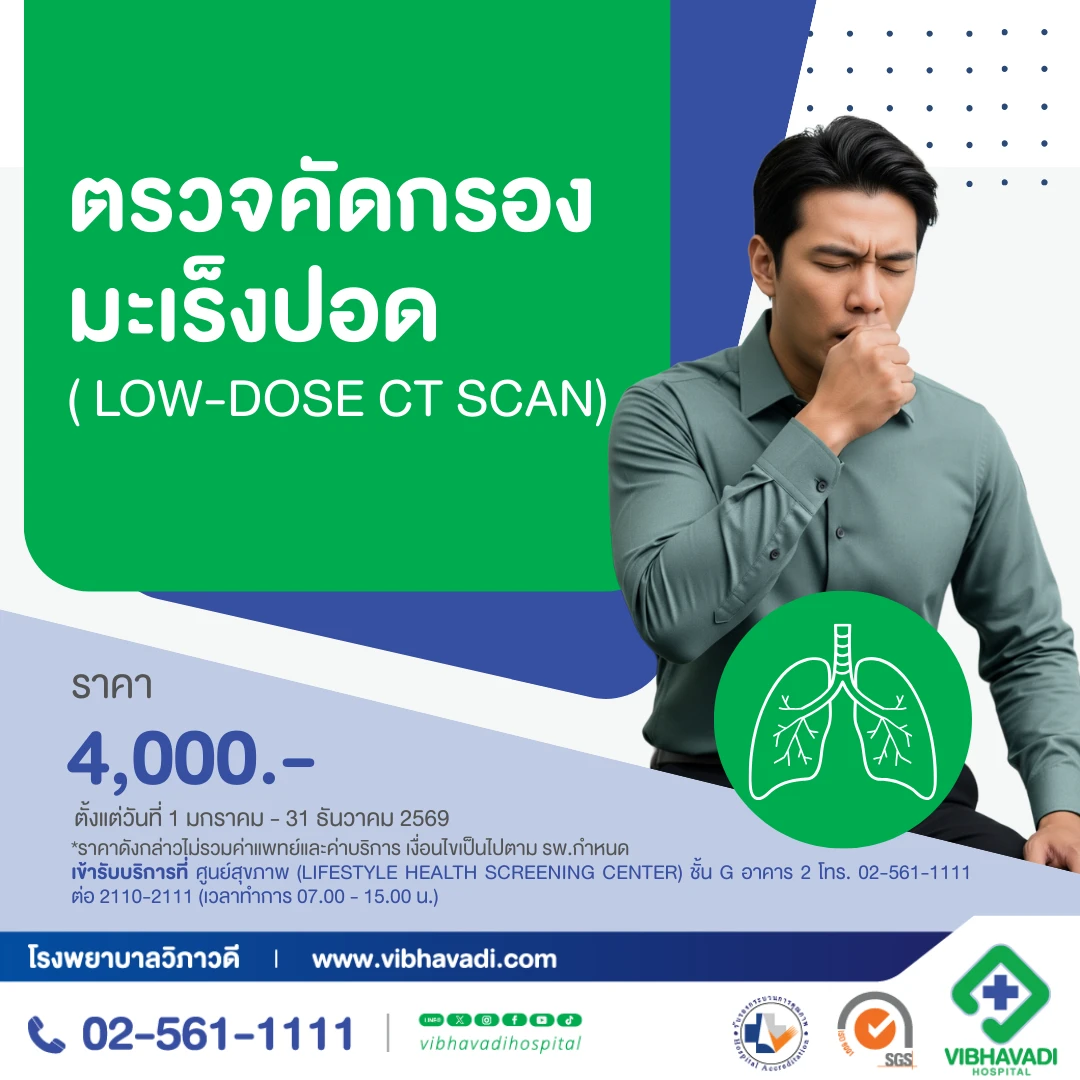
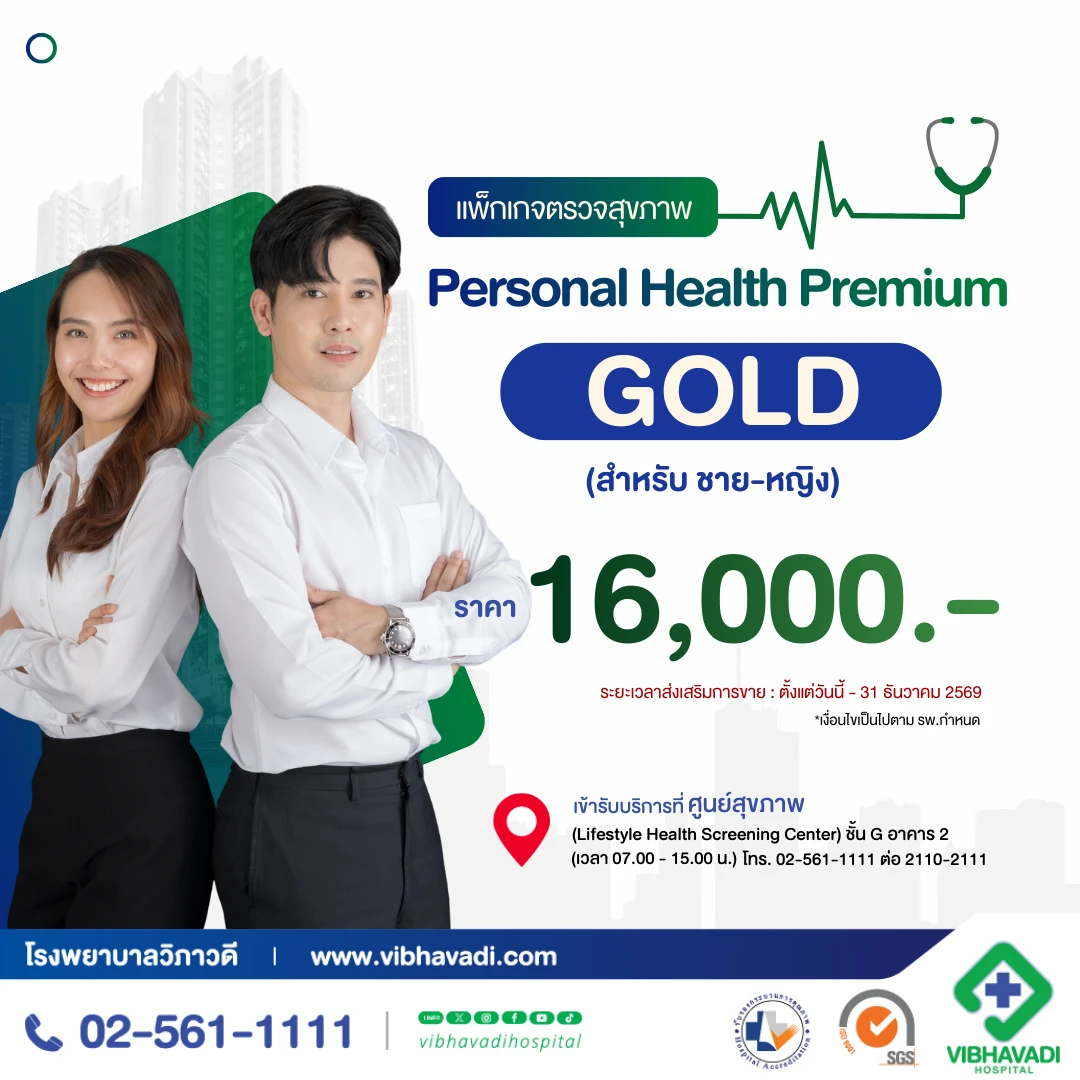
Health checkups are an important way to detect disease risks in their early stages, as many diseases often show no symptoms until they become severe. Regular checkups can therefore help prevent future complications. Vibhavadi Hospital offers comprehensive health checkup packages, including general checkups, blood tests, cardiac function tests, and specialized tests tailored to gender and age group, along with advice from expert physicians for appropriate health care.


ตรวจสุขภาพสำคัญอย่างไร ทำไมควรตรวจทุกปี?


Why are health checkups important? Why should you get one every year?

Annual health checkups are crucial and should not be overlooked. They help us understand our overall health and detect abnormalities in the body at an early stage, even before any symptoms appear. For example, diabetes, high blood pressure, high cholesterol, or some types of cancer often have no warning signs in their early stages.

Therefore, health checkups screen for hidden diseases, allowing for appropriate care, treatment, and lifestyle adjustments before diseases progress to serious complications. In addition, annual health checkups help assess individual health problems, such as genetic factors, lifestyle, or environment, enabling doctors to provide targeted advice on nutrition, exercise, and disease prevention. Thus, health checkups are not just about "checking your health," but a long-term investment in quality of life and reducing the risk of serious illnesses in the future.


กลุ่มเป้าหมายที่ควรตรวจสุขภาพ


Target Groups for Health Checkups

Annual health checkups are not limited to those with symptoms. Everyone can benefit from preventative care and reduce the risk of various diseases.

  • Individuals aged 20 and older should start basic health checkups such as blood pressure, blood sugar, and cholesterol levels to build an early health database.
  • Those with a family history of chronic diseases such as diabetes, high blood pressure, cancer, or heart disease should have regular checkups as they have a higher risk than the general population.
  • Individuals with risky behaviors such as smoking, alcohol consumption, late nights, unhealthy diets, or lack of exercise increase the likelihood of developing chronic diseases in the future.
  • Working individuals, especially those with demanding jobs, insufficient rest, or high-stress environments, may be at increased risk of chronic diseases.
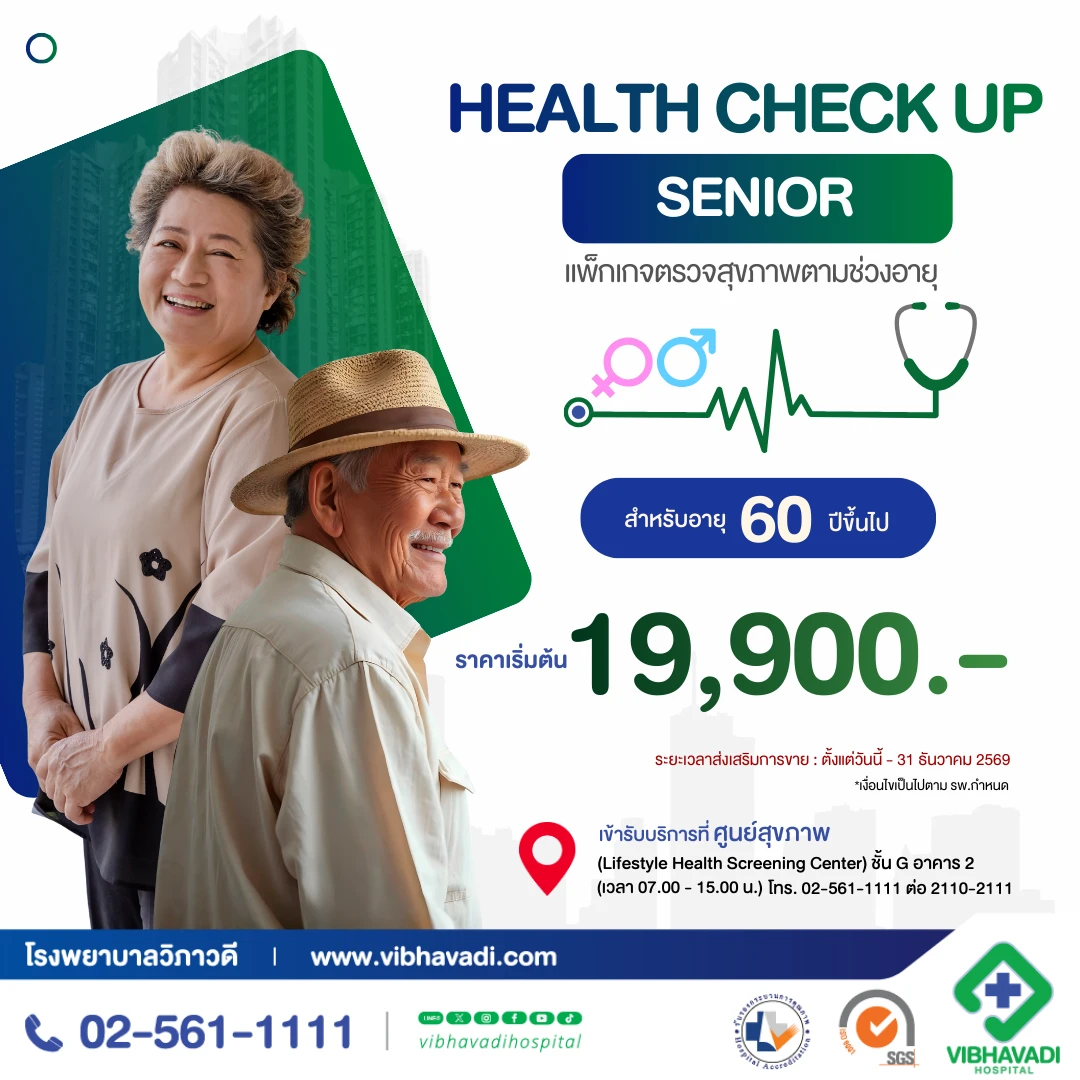
  • The elderly, as organs begin to deteriorate, benefit from health checkups to monitor bodily functions and prevent chronic diseases promptly.
  • Those interested in maintaining their health should also benefit from health checkups. These checkups provide insight into their actual physical condition, allowing for personalized care plans, adjustments to diet, sleep, and exercise habits.


ประเภทของการตรวจสุขภาพ


Types of Health Checkups

Health checkups come in many types to suit individual needs based on age, physical condition, risk factors, and activities. Different screening packages are required for different age groups or specific situations to prevent disease, screen for risks, and prepare for important activities. This helps in planning accurate and safe long-term health care.

Age-Specific Health Checkups

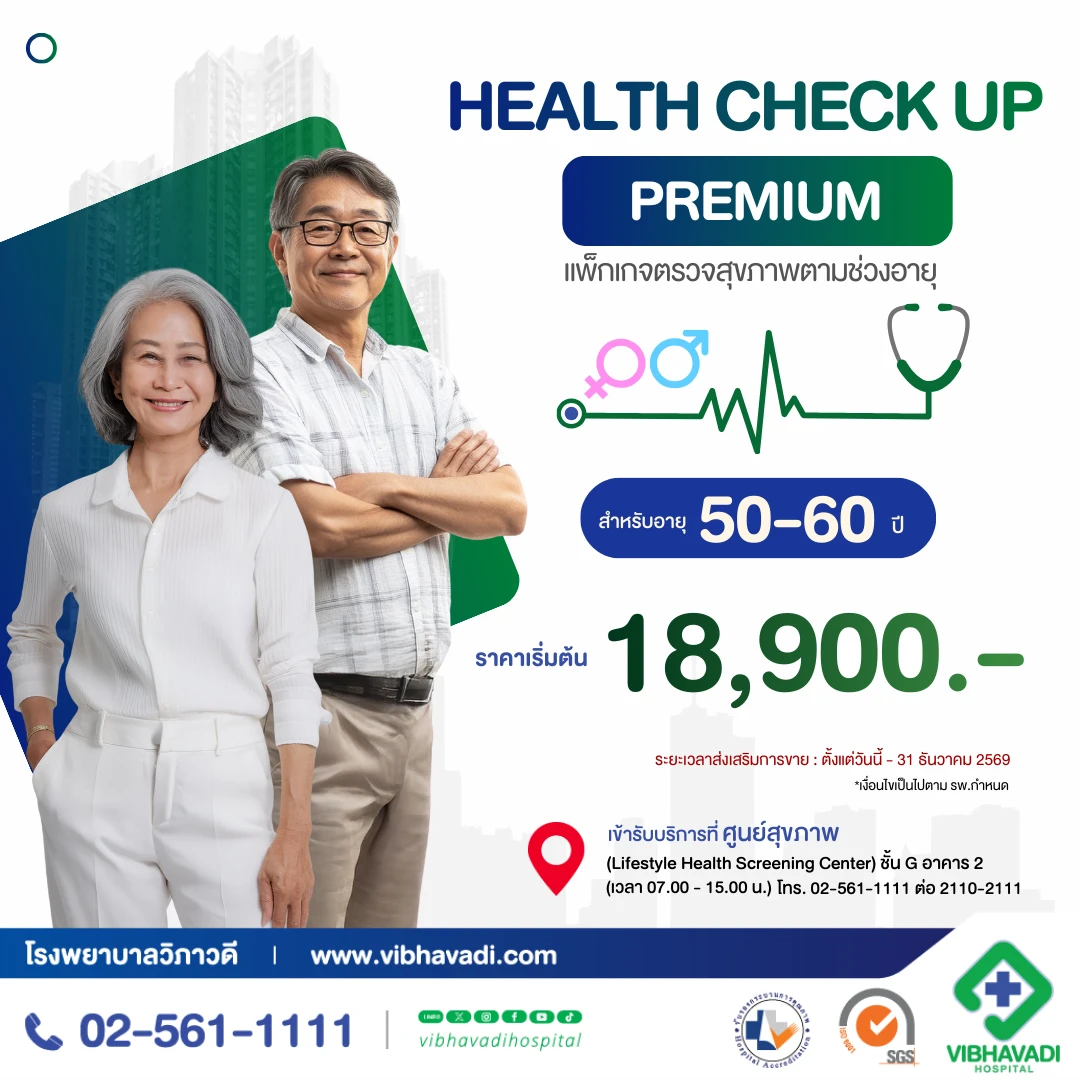
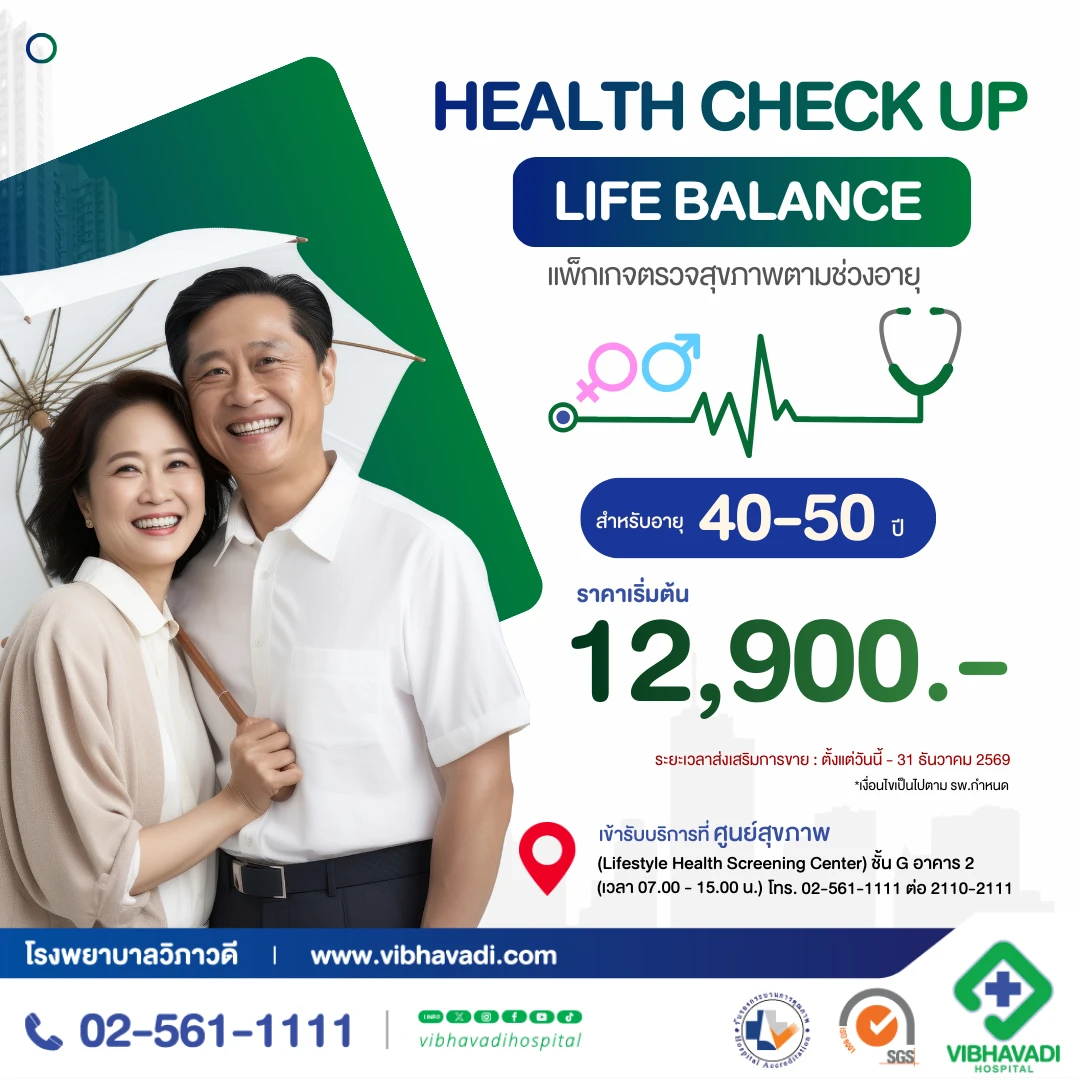
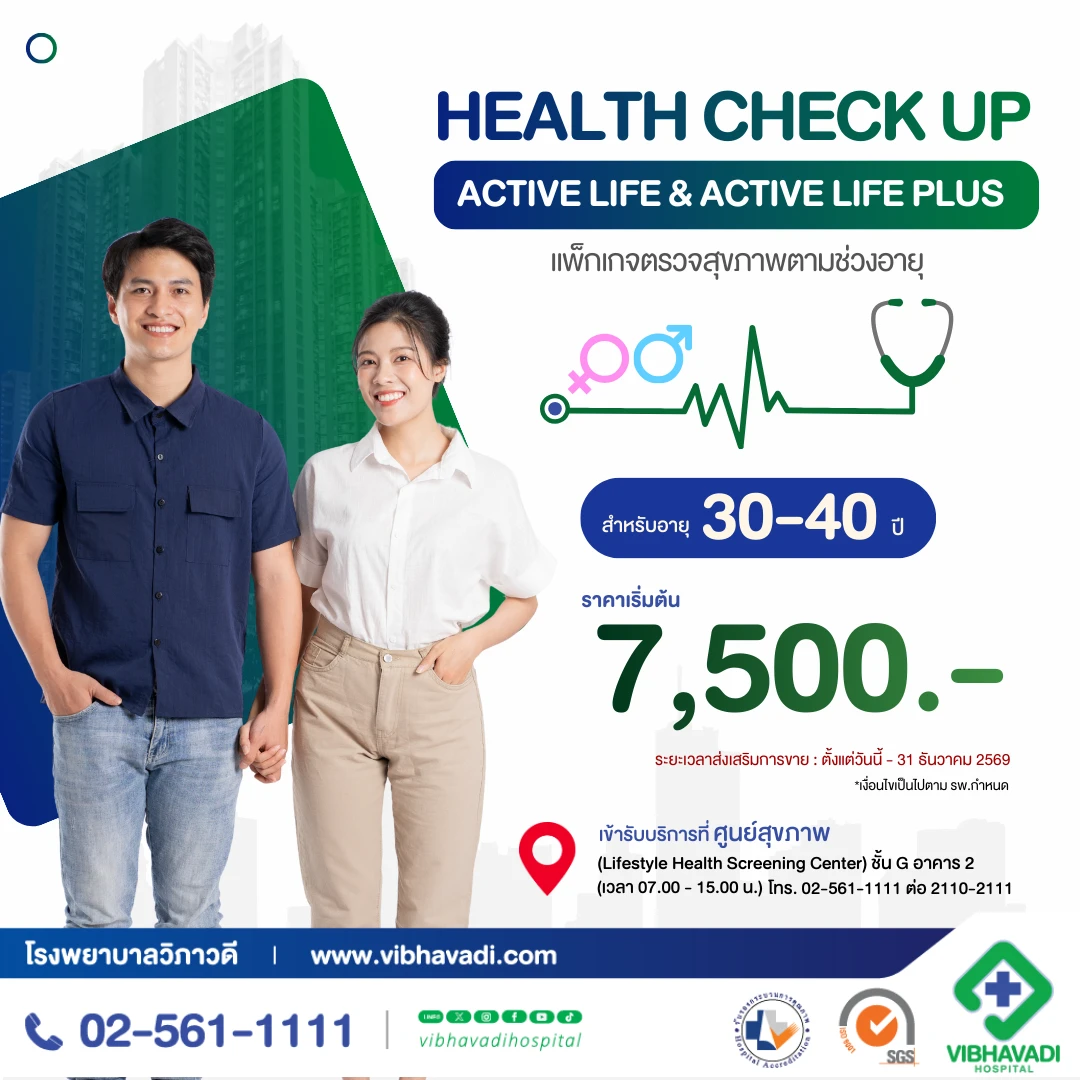
Age-specific health checkups are designed to suit the developmental milestones and disease risks of each age group. For example, children's checkups focus on growth and immunity, working adults on chronic diseases such as diabetes, hypertension, and cholesterol, while seniors focus on heart disease, osteoporosis, and cancer screening. Age-appropriate checkups help detect diseases early and allow for appropriate health care planning at each stage of life.

Personalized Health Checkups

Personalized health checkups are suitable for individuals with specific risk factors, such as a family history of heart disease, diabetes, or cancer, or those with pre-existing chronic conditions such as thyroid, liver, or kidney disease, as well as those who require additional tests based on specific recommendations. These types of checkups provide in-depth health assessments, tailor tests to individual risks, and make disease prevention more effective.

Lifestyle-Based Health Checkups

Lifestyle-based health checkups are designed for individuals with specific lifestyles. For example, those who exercise intensely, athletes, should have their cardiovascular system checked, while those who work long hours in front of a computer should have their vision checked. Spinal health checks, mental health checks, and health screenings for those with high stress levels are all part of the process. This includes checks for weight management or nutritional assessments to evaluate balance and adjust lifestyles for optimal health.

Pre-departure health checks for studying abroad

Many countries require a pre-departure health check to assess the basic health of travelers. This includes screening for infectious diseases, vaccinations, general health checks, and evaluation of documents needed for submission to embassies or universities. This type of check ensures that travelers are healthy and meet the standards set by the destination country.

Pre-departure health checks for high-risk countries

Pre-departure health checks for high-risk countries are suitable for those traveling to countries with epidemics or endemic diseases such as yellow fever, malaria, and encephalitis. The check includes a basic health assessment, immunity testing, and necessary vaccinations to prevent infection during travel and reduce health risks in high-risk areas.

Pre-departure health checks for a driver's license

A pre-departure health check for a driver's license is a standard procedure to confirm that the applicant is healthy enough to drive safely. This includes eye exams, color vision tests, neurological examinations, reaction times, and screening for pre-existing conditions that may be dangerous while driving. This check helps drivers gain confidence in using a vehicle and reduces the risk of road accidents.


Preparing for a Health Checkup

Proper preparation before a health checkup is crucial to ensure accurate results that reflect your true health. Good preparation helps doctors make accurate diagnoses and provide comprehensive advice. Here are some guidelines

  • Consult your doctor or healthcare professional before the checkup to receive advice on the appropriate tests based on your age, gender, and individual health risks.
  • Avoid certain foods and drinks, especially those requiring blood tests. Avoid sugary or fatty foods and drinks for at least 10-12 hours before the test.
  • Wear comfortable clothing. Choose loose, easy-to-change clothing for ease of physical examination or X-rays.
  • Get enough rest. Aim for at least 6-8 hours of sleep the day before the test to allow your body to be in a normal state.
  • Drink plenty of water, especially before urine tests or abdominal ultrasounds, to help obtain clearer results.
  • Avoid strenuous exercise, especially if you have a blood test, as it may alter enzyme or other blood substance levels, affecting test results.
  • Avoid alcohol and smoking for at least 24 hours before the test, as they affect liver, lung, and circulatory system function.
  • Inform your doctor about any important health information or medications you are taking to help them assess risks and interpret test results accurately.
  • Prepare necessary documents and information, such as your ID card, health insurance card, and previous test results for comparison and follow-up.
  • Prepare for special tests such as urine tests (avoid during menstruation), electrocardiograms (ECGs) (avoid caffeine before the test), and X-rays (remove all jewelry and metal objects beforehand).


การติดตามผลและการปรับพฤติกรรมหลังตรวจสุขภาพ


Follow-up and Lifestyle Adjustments After a Health Checkup

Equally important after a health checkup is follow-up and lifestyle adjustments to maximize the benefits of the test results. Utilizing the information from the results appropriately for your health will help prevent long-term diseases and improve your quality of life. Here are some guidelines

  • Wait for and understand the results. Study the details of each test item, such as blood values, blood pressure, or lipid levels, to determine if your body is within normal ranges.
  • Consult a doctor or specialist. If the test results are abnormal, consult a doctor for further advice and to plan appropriate care or treatment.
  • Adjust your nutritional habits. Choose healthy foods, reduce fatty, salty, and sugary foods, and increase fruits, vegetables, and healthy proteins.
  • Exercise regularly. Aim for at least 150 minutes of exercise per week to improve physical fitness and control weight.
  • Quit or control smoking and alcohol consumption to reduce the risk of heart disease, cancer, liver disease, and lung disease.
  • Long-term follow-up. Undergo repeat checkups as recommended by your doctor to assess your health prospects and monitor for any potential abnormalities.
  • Manage your mental health and stress. Good mental health directly impacts physical health. Make time for relaxation, engage in enjoyable activities, and practice stress relaxation techniques regularly.


ตรวจสุขภาพ ที่โรงพยาบาลวิภาวดี


Health Check-ups at Vibhavadi Hospital

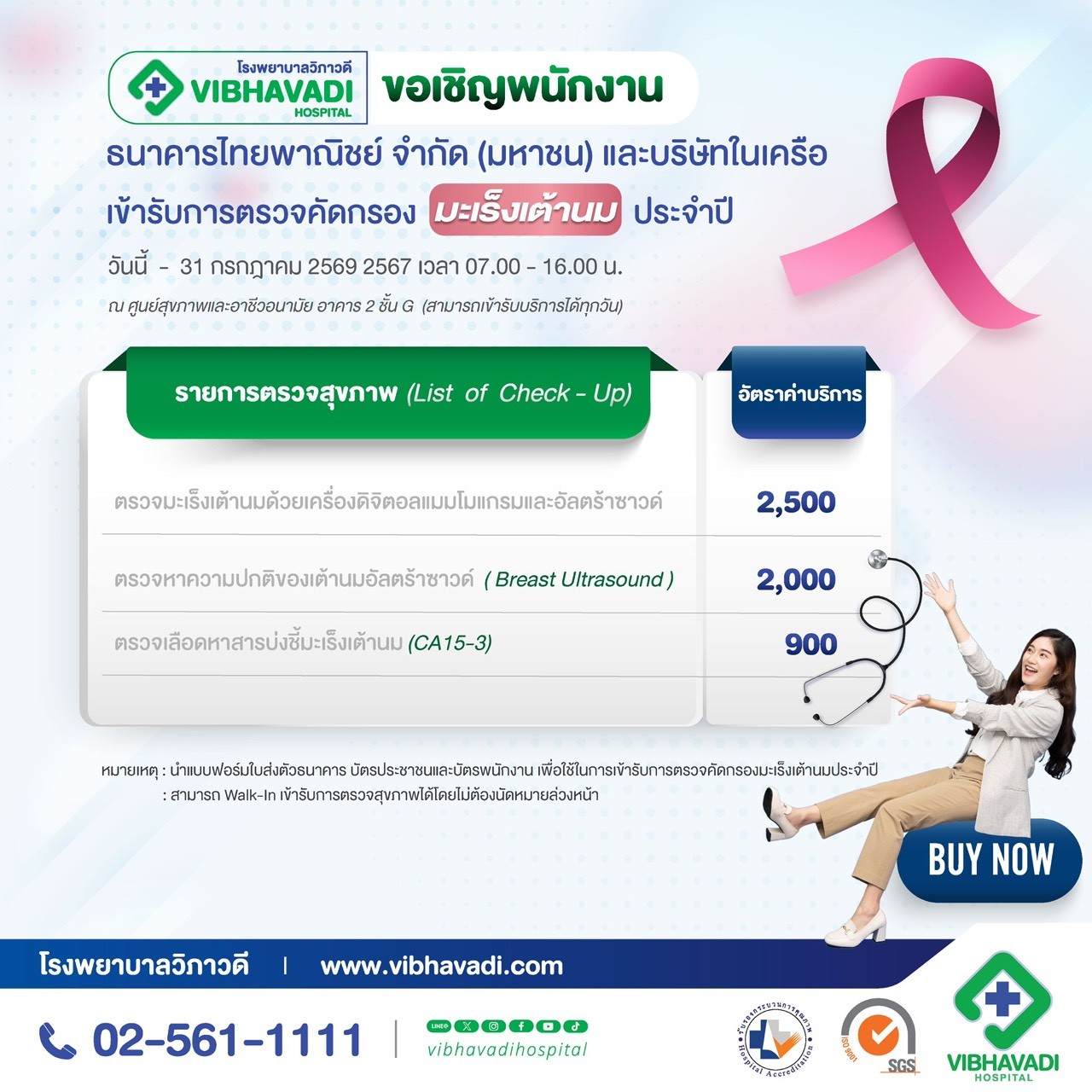
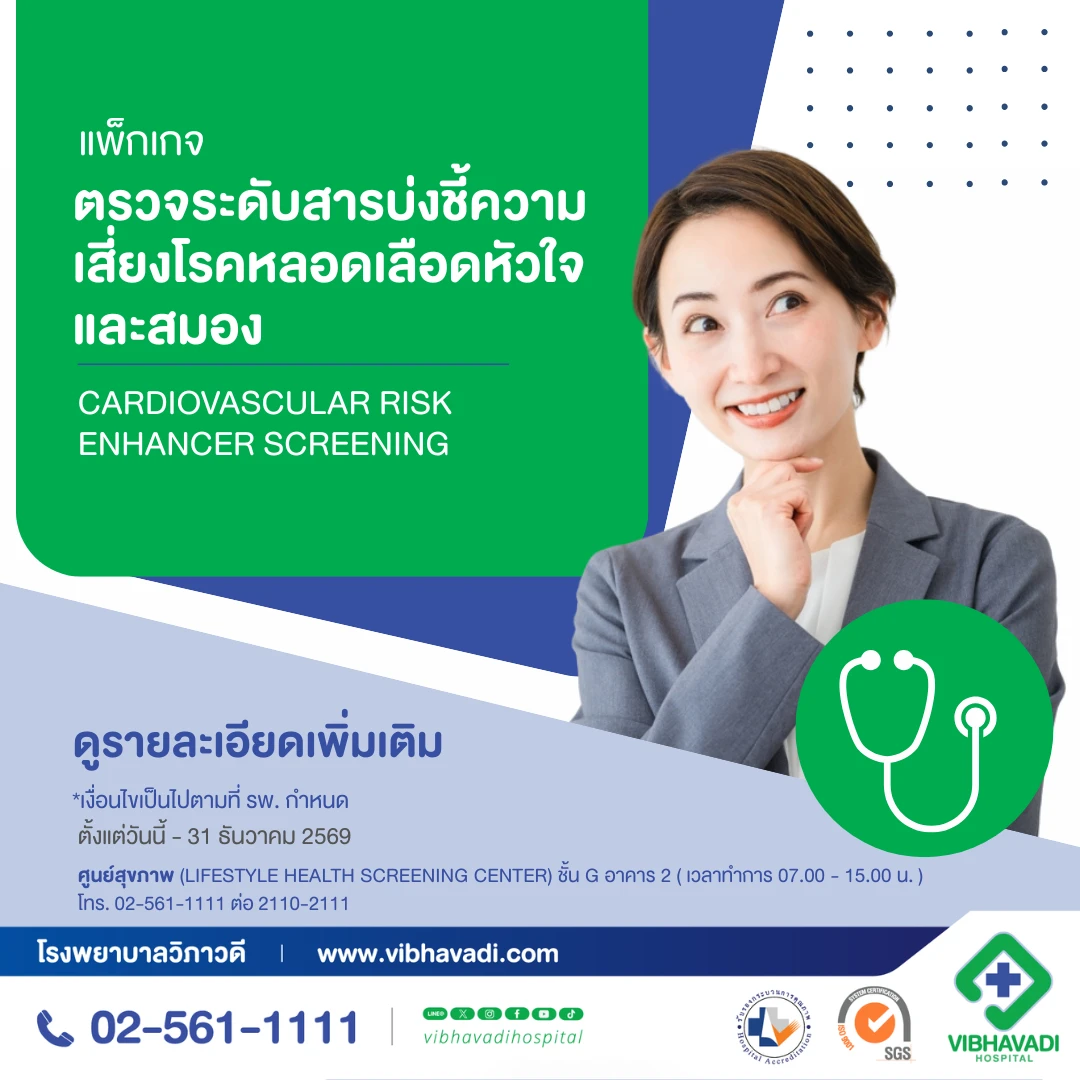
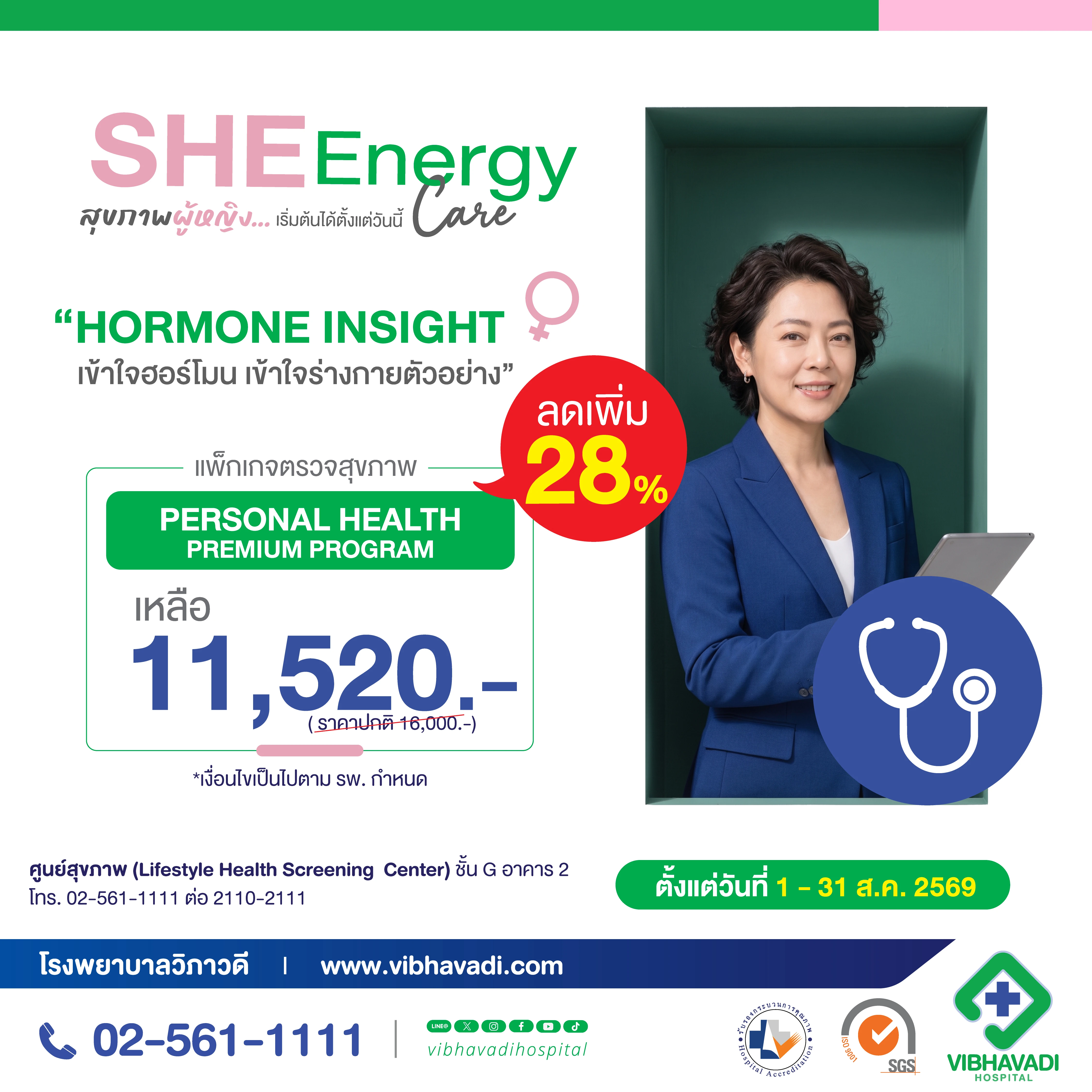
Vibhavadi Hospital offers comprehensive health check-up services with a variety of packages covering general health check-ups, blood tests, cardiac function tests, and specialized tests tailored to gender and age groups, such as cancer screening, hormone testing, and tests of vital organ systems. Our team of expert doctors provides detailed and personalized advice to help patients understand their health status, plan targeted preventative care, and promote sustainable health.


Summary

Health check-ups are an important tool for monitoring and preventing diseases in their early stages, even if many diseases do not yet show symptoms. Check-ups allow for appropriate health planning and lifestyle adjustments. The main target groups include adults, the elderly, those with a family history of chronic diseases, and those with risk behaviors. Check-ups can be categorized into general check-ups, specialized check-ups, check-ups based on risk factors, physical fitness tests, and specialized screenings according to age and gender. Follow-up, consultation with a doctor, and lifestyle adjustments regarding nutrition, exercise, and mental health are crucial for a better quality of life.

If you are looking for health check-up services that meet all your needs, with a variety of packages and promotions suitable for yourself or your loved ones, covering general annual health check-ups, blood tests, or cardiac function tests, regardless of age or health risk factors, Vibhavadi Hospital is the place for you. Vibhavadi Hospital is ready to help plan your healthcare and suggest appropriate lifestyle changes for comprehensive health care and disease prevention before it occurs.

Frequently Asked Questions (FAQ)

How often should I have a health checkup?

Generally, adults should have a health checkup at least once a year to assess their overall health and screen for chronic diseases that may not yet be asymptomatic. For those at high risk, such as those with a family history of chronic diseases or risky behaviors, doctors may recommend more frequent checkups as appropriate, using annual health checkup programs and specialized screening programs.


What are the components of an annual health checkup program?

Annual health checkup programs cover general tests such as blood pressure, weight, height, blood and urine tests, as well as cardiac function tests and specialized tests depending on gender and age group, such as cancer screening, hormone tests, or tests of major organs.


How long does the examination take, and when will I receive the results?

The examination time depends on the chosen program. Generally, it takes about 1-3 hours for general tests, and some specialized programs. Some results are available immediately, while detailed results, such as blood tests or X-rays, will be available within a few days, depending on the type of test.


How much does a health checkup cost?

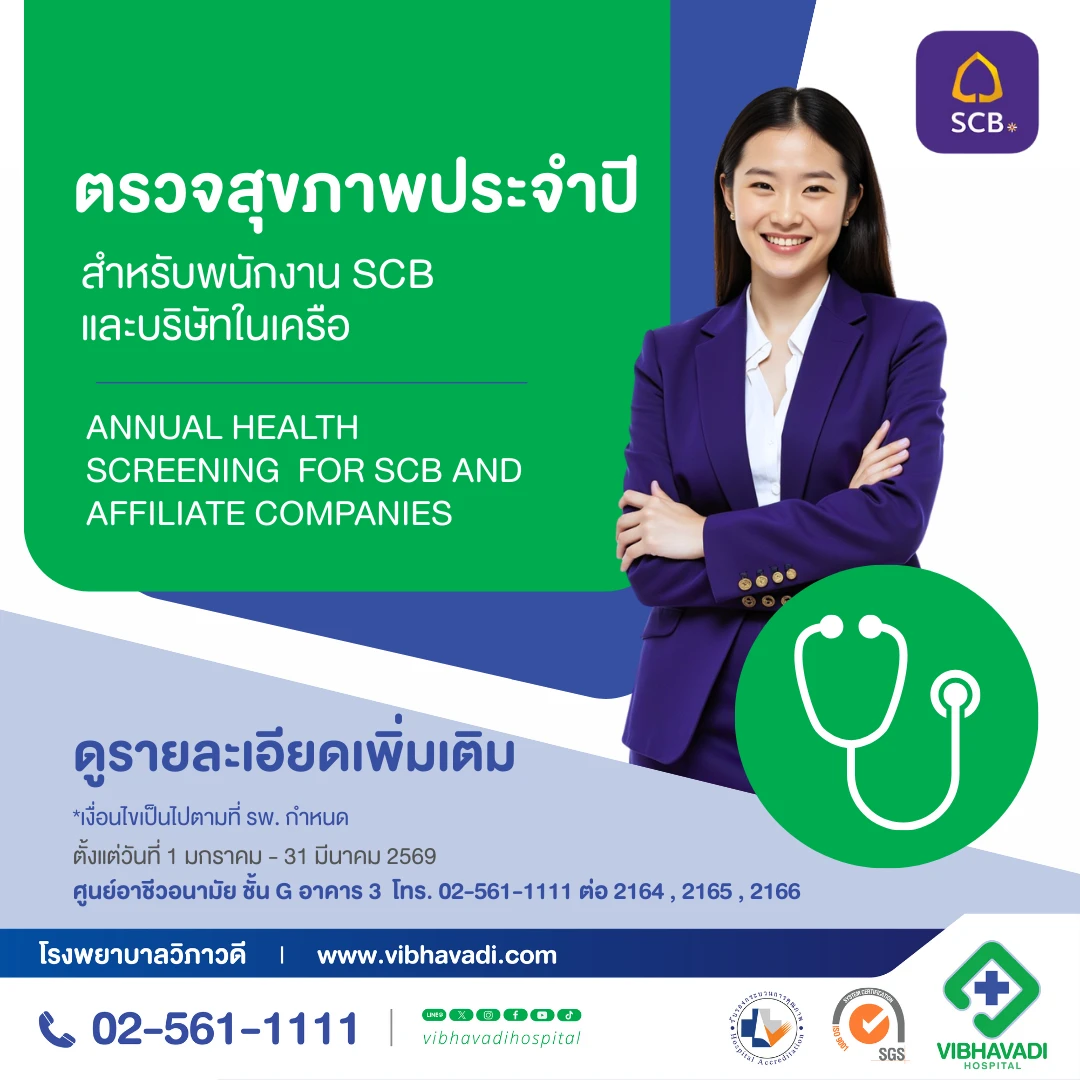
The price of a health checkup program depends on the coverage of the tests and the type of package. From annual health checkups to specialized tests and physical fitness assessments, Vibhavadi Hospital offers a variety of packages and promotions. Along with recommendations tailored to the needs and budget of the client.

Testimonials

Proud to take care of you

For more information and to make an appointment, please contact

02-561-1111

02-058-1111


Medical TeamHealth Checkup and Screening Center

Package & Promotion 2026