Guide to GI Diseases: Diagnosis & Advanced Treatments

Gastrointestinal Diseases
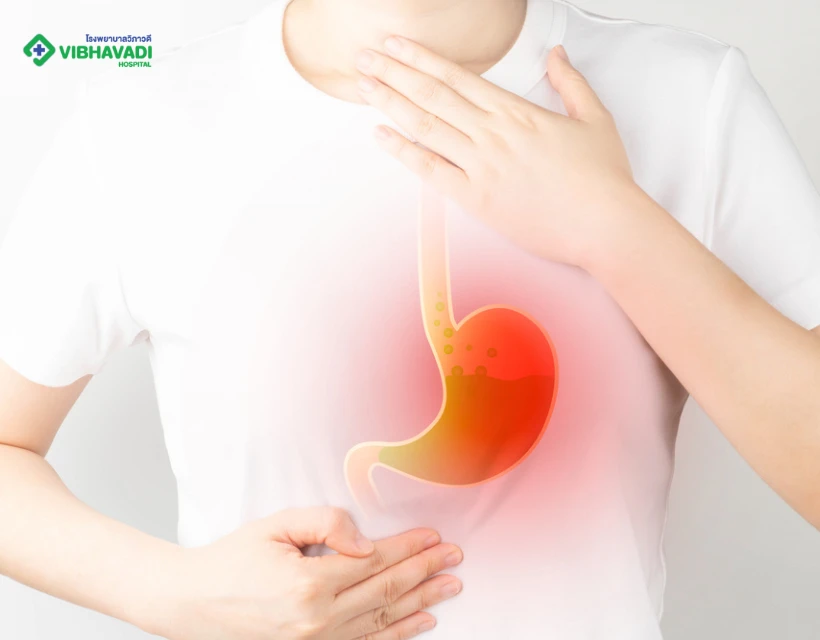
The digestive system is a vital part of our everyday life, and plays a bigger part on human health than just digestion. Lifestyle, eating habits, and stress are all things that can affect your digestive system. Persistent stomach issues are signals that tend to point towards digestive issues. Early attention to these issues can go a long way to prevent complications and garner easier, less complicated treatments.
Common Digestive Symptoms People Often Ignore
Whether it's burning in the upper abdomen, frequent bloating, acid reflux or heartburn, all these conditions are usually ignored and seen as just a common issue. However, they could be signaling a bigger issue in your digestive system. Going even further, nausea, getting full too quickly and even irregular bowel movements like diarrhea or constipation are usually mistaken for just common issues when they could actually be pointing towards bigger issues. These symptoms that are often seen as temporary or stress-related should not be ignored and requires an individual to consult a healthcare professional immediately.
Why Ignoring Digestive Symptoms Can Be Risky
Untreated digestive issues can usually lead to complications further down the road. Problems like bleeding, inflammation and tissue damage can start appearing due to digestive issues being ignored. Chronic symptoms may continue to worsen without obvious warning signs. It is important to consult your doctor if you have any symptoms that point towards digestive issues, rather than diagnosing and treating your body yourself.
Digestive Conditions You Shouldn’t Ignore
Repeated backflow of acid causes irritation on the esophagus, this condition known as GERD, can lead to long-term risks if left untreated. Another condition is Gastritis, this is when the stomach lining becomes inflamed and causes pain, nausea and bleeding. Ongoing inflammation affecting the digestive tract is another symptom linked to gastrointestinal diseases, it is known as Chronic inflammatory bowel disease. Gallstones can cause long term digestive issues, this is when hardened deposits block bile flow. Another digestive condition is colorectal cancer, this condition can go unnoticed for a while therefore it is important to have it detected early as that can help with recovery.
The Importance of Accurate Diagnosis
Correct diagnosis can help create an accurate treatment plan for the patient's symptoms. Additionally, correct diagnosis also helps prevent unnecessary and ineffective treatments. It is also essential to get diagnosed early as it helps doctors treat the issue when it's still at its treatable stage and with an accurate treatment plan.
Endoscopic Procedures for Digestive Diagnosis & Treatment
Upper and Lower Digestive Tract Examination
When it comes to examining the upper and lower digestive tract there are different methods to conduct them. Esophagogastroduodenoscopy or EGD, examines the esophagus, stomach and upper intestine. This also helps detect inflammation, ulcers and abnormal growths. Another method is the colonoscopy, this method examines the colon and rectum. This method is vital for detecting polyps and colorectal cancer early.
Therapeutic Endoscopic Procedures
Therapeutic endoscopic procedures allow doctors to not only diagnose digestive conditions but also treat them effectively without the need for open surgery. Using advanced endoscopic equipment, many gastrointestinal problems can be managed in a minimally invasive manner, helping reduce recovery time and improve patient comfort.
Foreign body removal is performed when an object is accidentally swallowed and becomes lodged in the digestive tract. Using specialized endoscopic tools, doctors can safely locate and remove the object, preventing injury, obstruction, or infection.
Polypectomy involves the removal of polyps during an endoscopic examination. Polyps are abnormal tissue growths that can develop in the digestive tract and, in some cases, may become cancerous if left untreated. Removing polyps early helps reduce the risk of future complications and supports early cancer prevention.
Endoscopic Variceal Sclerotherapy (EVS) and Endoscopic Variceal Ligation (EVL) are procedures used to treat esophageal varices, which are enlarged veins in the esophagus that can bleed severely. These techniques help control bleeding and reduce the risk of life-threatening complications, particularly in patients with liver disease.
Percutaneous Endoscopic Gastrostomy (PEG) is a minimally invasive procedure used to provide long-term nutritional support for patients who are unable to eat normally. Through endoscopic guidance, a feeding tube is safely placed into the stomach, allowing patients to receive adequate nutrition while maintaining comfort and safety.
Hemoclip application is a technique used to stop active bleeding in the upper gastrointestinal tract. Small clips are applied directly to the bleeding site during endoscopy, helping to control bleeding quickly and reduce the need for more invasive treatments.
Advanced Diagnostic Technologies
There are several advanced technologies in today’s world that can help doctors diagnose issues. Capsule Endoscopy is one of those, this is a swallowable camera that can allow doctors to see into hard to reach places. Another advanced technology is the Urea Breath test, which is a non-invasive test for Helicobacter pylori infection. Lastly, there’s FibroScan, this technology helps doctors evaluate liver stiffness and fat accumulation. FibroScan can also help doctors detect liver disease without requiring surgery.
Comprehensive Care for Digestive & Liver Diseases
Digestive disease can also affect the pancreas, therefore it is also important to get your pancreas checked out if you are developing digestive issues. A full evaluation can also detect Hepatitis A, B, C, D and E. It is essential to monitor your long term management of chronic digestive conditions.
Gastrointestinal Cancer Diagnosis & Treatment
The severity of gastrointestinal issues can also reach the point of developing cancer, which further stresses the importance of early detection. Early screening can help detect gastrointestinal cancer and allows doctors to provide adequate treatment options depending on the stage of the cancer. Surgery, medication or TACE (Transarterial Chemoembolization) can be used to treat GI cancer. TACE is mainly used to treat liver tumors, the process is minimally invasive and is used to deliver high doses of chemotherapy directly to the tumor via its blood supply. The cancer is then starved of blood because the blood vessels are blocked, this minimizes systemic side effects.
Medical Imaging & Supportive Diagnostics
X-rays are used for initial assessments. Other imaging tests include ultrasound which is used for abdominal organ evaluation, CT scan for detailed cross-sectional imaging and MRI scan for soft tissue and complex cases. Imaging tests are used in connection with endoscopy in order to get an accurate diagnosis.
Gastrointestinal Disease Treatment at Vibhavadi Hospital
Vibhadvadi hospital houses a Gastrointestinal Center with a pool of experienced doctors and healthcare professionals. There are special rooms for gastroscopy procedures, endoscopy operating rooms, recovery rooms and an emphasis on patient comfort. It is essential for individuals to consult doctors instantly if you are having digestive and gastrointestinal issues.
The Gastrointestinal Center is Open for Serivce during the following hours:
Mondays – Fridays 07:00 - 20:00
Saturdays – Sundays 08:00 - 20:00
For further inquiries please contact us at:
0-2058-1111 , 0-2561-1111 Ext. 4525 or 4534
Testimonials
Proud to take care of you