Spondylolisthesis
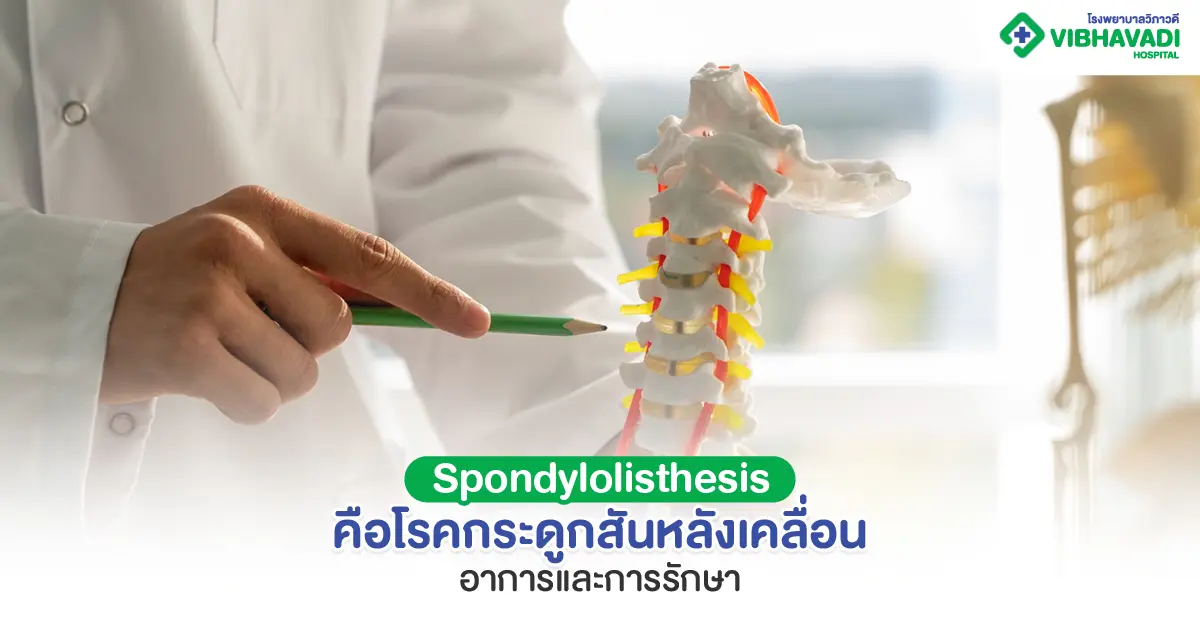
When it comes to mobility your spine is an important part of the equation. Whether it's lifting boxes, playing your favorite sport or your everyday office job, your spine is carrying the load. Due to all the workload a person’s spine goes through, there are many injuries and conditions that can develop in that area of the human body. One of those conditions is Spondylolisthesis, this is when a vertebra slips out of place in your spine and presses on the vertebra below it. This then leads to pain, stiffness and nerve pressure. Early diagnosis of this condition, along with appropriate care, helps manage the symptoms effectively.
What is Spondylolisthesis?
Spondylolisthesis occurs when one of the vertebrae in the spine shifts out of place, sliding forward over the bone beneath it. This misalignment can lead to a range of symptoms—often back pain or stiffness—and, in some cases, pressure on the surrounding nerves. When that happens, people might also experience pain, tingling, or numbness that radiates down the legs. This condition mostly occurs in the lower back, also known as the lumbar spine, but it can also affect other areas of the spine. The severity of the condition depends, some are mild and manageable, while others can cause significant discomfort to a person's daily life.
Types of Spondylolisthesis
There are several types of spondylolisthesis, including congenital, isthmic, degenerative, traumatic and pathological. Let’s break down each of these types to gain further knowledge on how it affects a person. Congenital Spondylolisthesis, is when the condition is present since birth due to abnormal bone formation. Isthmic Spondylolisthesis is caused by small cracks on the vertebrae, usually due to repetitive stress. Young athletes are prone to this condition due the repetitive stress placed on their spine. Next, Degenerative Spondylolisthesis, this is linked to aging and the natural wear and tear the spine goes through as someone gets older. Another type is Traumatic Spondylolisthesis, this is caused by injuries and accidents. Lastly, we have Pathological Spondylolisthesis which occurs due to conditions that weaken the bone, such as osteoporosis or tumors.
Common Causes and Risk Factors
There are a few common causes that bring on Spondylolisthesis. Aging is a big one, due to the natural wear and tear of the spine older people are prone to Spondylolisthesis. Genetic disposition, or in other words being born with the condition is another common cause. Sports and repetitive injuries to the area can trigger the condition as well, especially towards athletes that are required to push their bodies to the limit. Obesity is another major cause, as all the extra weight puts a big load on the back. Lastly, previous spinal injuries or spinal surgeries can also trigger Spondylolisthesis.
Signs and Symptoms
There are a couple things you can look out for before deciding to seek further professional help for your conditions. These symptoms include persistent lower back pain, especially when standing for a long time. Stiffness and reduced flexibility can also point towards Spondylolisthesis. Having your back pain radiating down to your legs is another sign, this is known as sciatica. Additionally, muscle pains, spasms, tightness, and numbness all point toward the condition, so if you are experiencing any of those, you should consult a doctor. In more severe cases, patients also have difficulty walking and maintaining posture.
Diagnosis of Spondylolisthesis
Vibhavaidi Hospital has a team of health professionals that can diagnose Spondylolisthesis through various methods.
- Physical Examination: Examining one's movement and pain.
- X-Rays: This helps determine vertebrae alignment.
- MRI: Helps evaluate nerve compression and soft tissue condition.
- CT Scans: For detailed imaging of the spinal structure.
Accurate and early diagnosis can help doctors and health professionals give their patients personalized treatment plans.
Disclaimer: Conditions and Diagnosis vary from person to person.
Treatment Options
Treatment options can be broken down into non-surgical and surgical methods. Non-surgical methods include physical therapy, medications such as pain relief, bracing, epidural steroid injections to reduce inflammation, and lifestyle modifications like losing weight and posture correction.
On the other hand, surgical methods can also be used if required in more severe cases. Procedures may include spinal fusion, which helps stabilize the spine by joining two or more vertebrates together. Laminectomy, which relieves pressure on spinal nerves. Minimal invasive techniques can also be used, this helps reduce recovery time and tissue impact.
Disclaimer: Surgical outcomes vary by individual; patients should consult their specialist for personalized advice.
Rehab and Recovery
Once the treatment is done it is important for every patient to go through rehab and recovery. Post-treatment rehabilitation helps one maintain and take care of their spine in order to minimize future injuries to the same area. Vibhavadi Hospital has rehabilitation programs for patients and taking part in these plus following the guidelines can be essential for recovery. Gradually one can return to their normal activities under medical supervision.
Prevention and Lifestyle Tips
Once rehab and recovery is completed it is essential for an individual to follow their doctors guidelines on prevention and lifestyle changes. These include the following:
- Maintain a good posture during daily activities
- Engage in core strength training.
- Avoid excessive strain or repetitive back stress.
- Manage body weight and ensure adequate bone nutrition (calcium and vitamin D).
- Seek early evaluation for persistent back pain to prevent progression.
Following your health professionals instructions and guidelines can help you prevent future injuries, additionally doing your part in tweaking your lifestyle goes a long way.
Spondylolisthesis Care at Vibhavadi Hospital
Once diagnosed, patients can take advantage of Vibhavadi Hospital’s experienced doctors and advanced technologies. Treatment for Spondylolisthesis can be non surgical or surgical depending on the severity of the condition. Non-surgical treatments include medications like pain relievers, muscle relaxants, steroids, and nerve pain meds. Additionally, patients can also do physical therapy and get tips on how to better their lifestyle in order to deal with their Spondylolisthesis. Things like weight control and posture control are some changes that people can make to help with their condition. At Vibhavadi Hospital they offer comprehensive care, from diagnosis to treatment to rehabilitation.
Disclaimer: Treatment effectiveness depends on individual health conditions and medical assessment
Testimonials
Proud to take care of you