Child Development Clinic: Expert Care
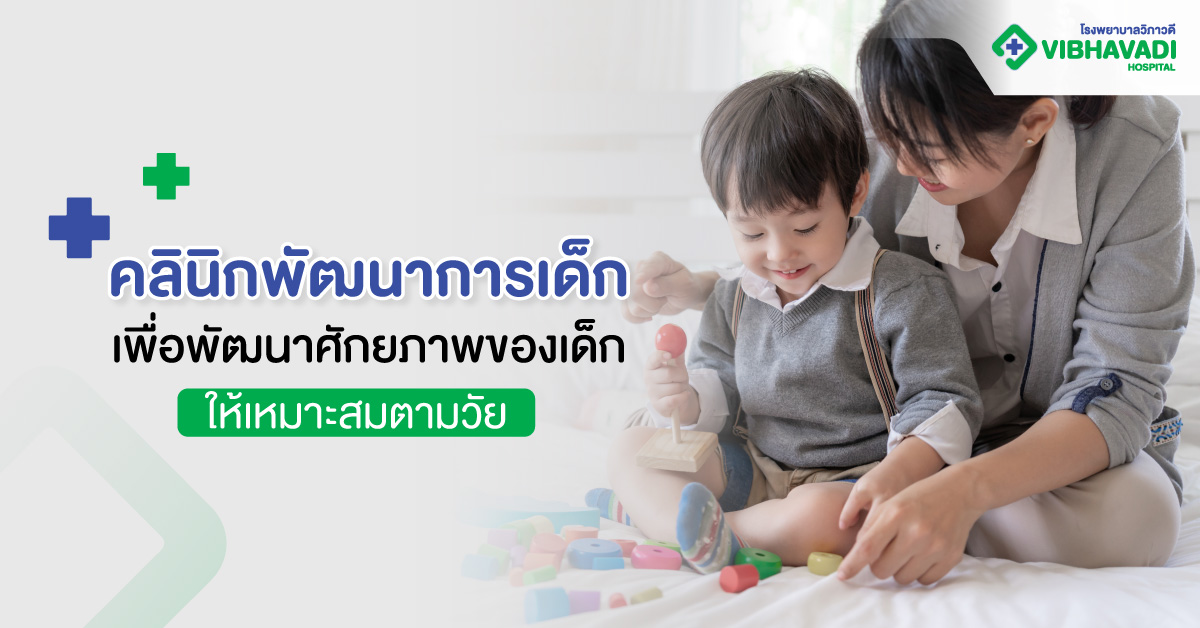
Child Development Clinics
Childhood development is the growth a child goes through as they age and face changes in their mental, physical and emotional development. It is essential for any parent to closely monitor the development of their child, as this can help prevent any long term issues. Some children may face issues like delayed development and challenges, this is where child development clinics can help assess and diagnose your child's development issue.
What Is a Child Development Clinic?
A Child Development Clinic is a medical facility that focuses on assessing, diagnosing and managing the growth and development of a child. The clinics look at a child's mental, physical, emotional, speech and social development.
Importance of Early Intervention in Child Development
Early childhood is essential when it comes to a child’s development, this phase is critical for brain development. By identifying delays early, parents can help their child to not face any long-term issues when it comes to learning, behavior and emotional well–being. Early intervention improves outcomes and allows them to reach their full potential.
Understanding Developmental Milestones
Development milestones are a general guideline for a child’s growth. Even though each child’s development is not the same, development milestones help doctors and parents keep track of their child’s growth. These milestones are also there to reassure parents that their child is developing and the importance of monitoring their child’s growth. These milestones include, physical development, cognitive development, speech development, social and emotional development.
Types of Developmental Milestones
Physical Development Milestones
This aspect of development focuses on the gross and fine motor skills of a child. Gross motor skills include, sitting, crawling, walking and running; while fine motor skills include, grasping objects, drawing and writing. Delays in this area could affect the child's daily activities and independence.
Cognitive and Speech Development
Cognitive development is the growth of a child's thinking, memory, learning and problem-solving skills. A child also has their own speech and language milestone which includes responding to sounds, saying words, forming sentences, and understanding instructions. Delay may sometimes be linked with hearing issues or development conditions.
Social and Emotional Development
As children start to learn and understand their own feelings and respond to others' feelings, they start developing emotionally and socially. Children tend to express their emotions through behavior, sounds, and facial expressions that depict whether they are happy, sad, afraid, or angry. As the children grow into adults, they start to learn to communicate their emotions through words and to cope with their frustrations and disappointments.
Social development involves learning ways to communicate with others, including parents, teachers, caregivers, and peers. Children develop essential skills like sharing, taking turns, cooperating, and forming social bonds through playing and everyday interactions. These experiences allow children to learn about social skills, ways to treat people with respect, understanding social rules, building relationships, and developing empathy.
Children with social and emotional development issues may have a difficult time in structured environments like a school. Early identification is essential, as health professionals can help a child improve their confidence, behavior, and overall well-being.
Factors That May Affect Child Development
An issue with a child’s development has to do with more than just parenting; many factors can affect a child’s development, including genetics, environmental factors, and social and economic factors.
Genetic Factors
Genetic issues like Down syndrome and autism can affect a child’s development. It can either slow down the development or cause problems with development. Early assessment, going hand in hand with genetic assesments can help doctors come up with accurate treatment plans.
Environmental Influences
Listed below are environmental influences that can affect a child’s development.
- Nutrition
Nutrition is essential when it comes to children and their physical and mental development. It is vital to eat a balanced diet that includes proteins, vitamins, minerals, and healthy fats supports energy levels, cognitive function, and immune health. Slow growth can be triggered by poor nutrition intake, hence affecting a childs learning and concentration.
- Early Education:
Social skills, thinking and building language are accelerated through early learning experiences. Reading, play based learning and structured programs are there to support a child’s cognitive development and ultimately prepare the child for school.
- Home Environment:
A child’s development is affected by the situation at home; a safe, stable and nurturing environment plays a key role in positive development. Children will find comfort in a home where they feel secure, encouraged and emotionally supported. Emotional regulation and confidence become present in a child who is growing in a calm environment.
- Parental Involvement:
Active parents play a large role in a child’s growth, whether is talking, playing, reading or just responding to a child’s needs. This helps strengthen emotional bonds and allows children to positively develop their social and language skills.
- Exposure to Toxins:
Second-hand smoke, pollution, lead and exposure to other harmful substances can affect a child’s development and overall health. It is vital to reduce a child’s exposure to these substances as it helps protect the child’s physical and cognitive development.
Social and Economic Factors
Access to healthcare, education, and a good social environment are essential for a child’s development. However, in cases where people do not have access to those, one may notice a link between those factors and a child’s development. Early detection by a healthcare professional is essential as it can minimize long-term issues.
Signs of Developmental Issues to Watch For
Early detection of issues with your child’s development is essential as it can help healthcare professionals tackle the issue early, thus allowing a better chance to improve the child’s growth. Listed below are a few signs one can be on the lookout for.
Physical Development Delays
Difficulties with crawling, walking, balance, coordination, and muscle control are all part of issues got to do with physical development. Early detection and therapy go a long way in helping to fix these issues so the child does not develop any long-term issues.
Social and Behavioral Concerns
Avoiding interactions, extreme shyness, frequent tantrums and aggressive behaviors are issues got to do with social and behavioral concerns. These issues can affect a child's school life and social life; therefore, it is essential for parents to visit a healthcare professional if these factors keep becoming an issue.
Speech and Language Delays
Early speech evaluation is vital as issues like limited vocabulary, unclear speech, difficulty understanding instructions, or delayed sentence formation can be present in a child. Having a healthcare professional detect and treat it early goes a long way to avoiding any long-term issues.
Cognitive Delays
Cognitive delays include issues with attention, memory, problem-solving, recognizing familiar people or objects, and following directions. These issues can affect a child’s ability to learn in school, and can also cause issues at home.
Services Offered at the Child Development Clinic at Vibhavadi Hospital
Vibhavadi Hospital has a team of experienced healthcare professionals who can help diagnose and treat issues with child development. Whether it's cognitive delay or a social issue, Vibhavadi Hospital's Child Development Clinic has a child covered.
Key Services Available
Developmental Screening and Diagnosis
Using professional observations, healthcare professionals will observe and evaluate a child’s development. This is essential when it comes to identifying development delays early, the results help guide further treatment and plans.
Speech and Language Therapy
Supports children with communication delays, speech and language. These therapies focus on different things like pronunciation, comprehension and expressive language skills. The therapies are tailored towards the child’s age and issues.
Behavioral and Cognitive Therapy
This therapy helps children manage their behavior and emotional regulation. Healthcare professionals and their treatments can help support learning difficulties, attention and problem solving skills. The aim is to improve the child’s focus, coping strategies and academic performances.
Nutritional and Health Counseling
Counseling will emphasize the importance of proper nutrition for physical and brain development. Healthcare professionals will help guide patients on the importance of balanced diets and will address the specific reason for the child’s development issue and diagnose if it links to nutritional reasons.
Parental Guidance and Support
- Provides parents with education about their child’s development
- Offers practical home strategies and behavior management tips
- Supports parents emotionally, helping them feel informed and confident
Multidisciplinary Team of Specialists
It is essential to have your child’s development assessed by multiple professionals in the healthcare industry. This way professionals can cover more ground in diagnosing certain issues with a child and thus coming up with an accurate treatment plan. These include:
- Pediatricians monitoring growth and milestones
- Developmental psychologists assessing behavior and learning
- Speech therapists addressing communication challenges
- Occupational therapists supporting motor and daily living skills
- Child neurologists diagnosing neurological condition
Specialized Facilities and Services
There are child friendly units that allow children to have a comfortable place to improve their speech skills. Additionally parents can also give their children IQ tests in order to further learn about their chills educational wellbeing. The area around the facility is welcoming for children so they don't feel anxious and are in a comfortable zone.
Frequently Asked Questions (FAQ)
What should be done if a child has delayed development?
If it is found that a child has delayed development, it is recommended to promptly take the child to see a doctor for screening and to identify the cause, in order to provide appropriate treatment, including developmental stimulation from child specialists.
How can you tell if a child has delayed development?
Observe whether the child has delayed development as follows:
- Observe hearing: if the child is already 6 months old and still does not turn toward the sound of calling, this may indicate a developmental abnormality.
- Observe vision: if the child has crossed eyes or outward-deviating eyes, along with behaviors such as bringing toys very close to look at them, this may indicate abnormal vision.
- Observe body movement: if the child has limp or weak arms and legs, cannot stand steadily, cannot stand for long, or has difficulty moving, there may be physical problems.
- Observe expression and behavior: if the child shows aggressive behavior, hyperactivity, unusually intense emotions, or lack of concentration and inability to focus, the child may have delayed intellectual development.
Who is responsible for correcting speech in children with speech and language impairments?
If a child has speech and language impairments, the child should be taken to see a Speech-Language Pathologist to assess and appropriately treat language use abilities.
How many types of disabilities are there in children?
Children with disabilities are divided into 6 types, as follows:
- Visual impairment
- Hearing or communication impairment
- Movement or physical impairment
- Mental, behavioral, or autistic impairment
- Intellectual disability
- Learning disability
Testimonials
Proud to take care of you
For more information and to make an appointment, please contact
02-058-1111
02-561-1111
ext 4201, 4221
Pediatrics Center, Vibhavadi Hospital We have pediatric specialists in all fields and pediatricians ready to provide care 24 hours a day.
- Location: 2nd Floor, Building 4, Vibhavadi Hospital 51/3 Ngamwongwan Road, Lat Yao Sub-district, Chatuchak District, Bangkok 10900
Map: https://maps.app.goo.gl/2Cp2QpqGC6AsSX868