Comprehensive Sexual Health Care for the LGBTQIA+
Sexual health refers to the balance of physical, mental, emotional, and relational well-being related to sexuality. It is not only the absence of disease but also the ability to have safe, satisfying, and respectful sexual experiences at every stage of life.
The LGBTQIA+ community should prioritize physical health, mental well-being, and healthy relationships by undergoing regular STI screenings, using hormone therapy safely under medical supervision, and building strong support networks to reduce stress and enhance emotional stability.
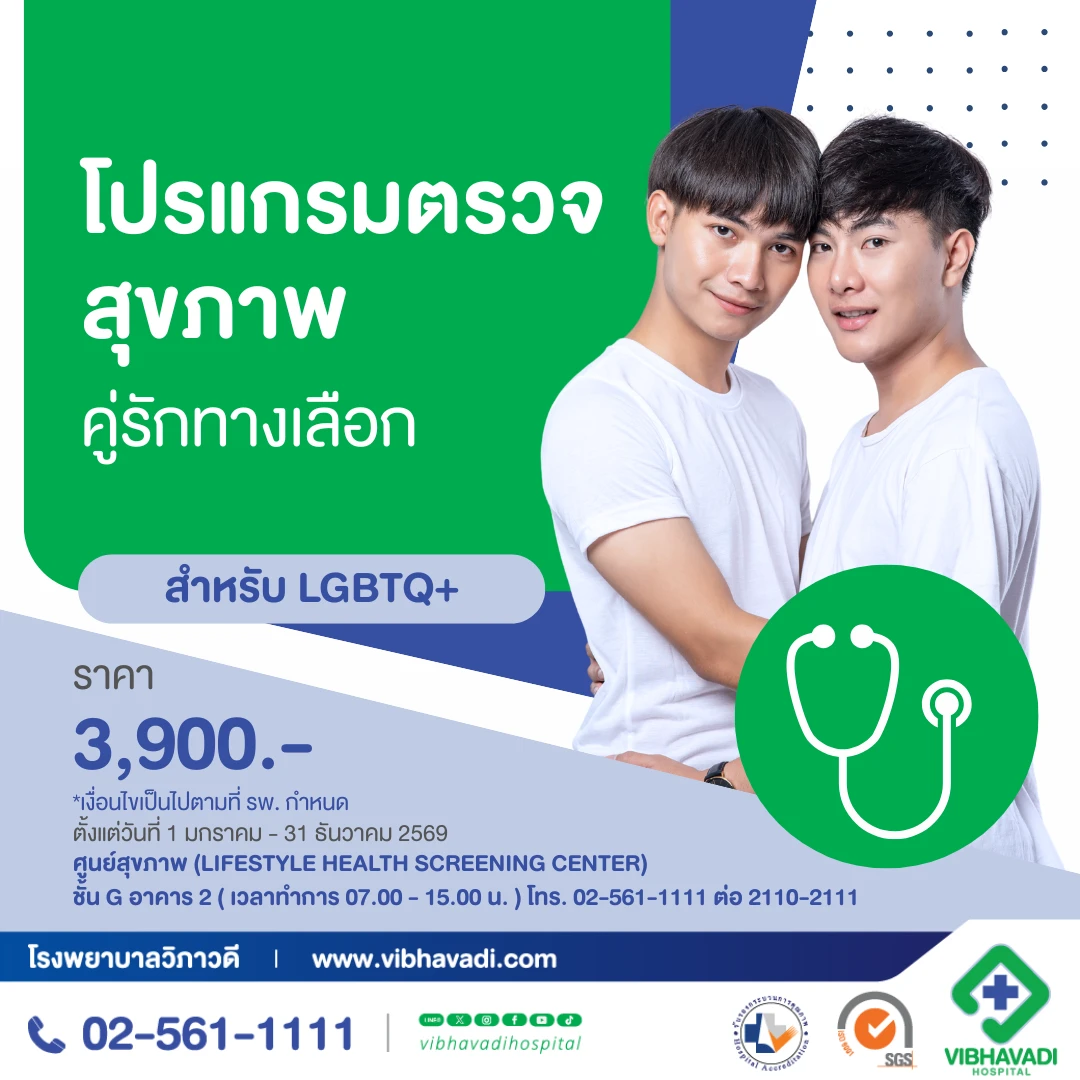
The alternative partner health check-up program for LGBTQ+ includes comprehensive STI screenings such as HIV, syphilis, HPV, mental health consultations, and guidance on relationships and sexual health prevention.
Sexual health is important for everyone, especially for individuals in the LGBTQIA+ community. Understanding your body, recognizing risks, and learning how to care for yourself safely can help you achieve balance in both physical and mental health.
This article provides guidance on sexual health care, from disease prevention and health screenings to mental health support, empowering you to feel confident and safe in every relationship.
What Is Sexual Health?
Sexual health is a state of physical, mental, and emotional well-being related to sexuality. It is not merely the absence of sexual disorders or disease but also the ability to have safe, pleasurable, and respectful sexual relationships throughout life, along with overall physical health.
Factors related to sexual health include:
Physical factors: Hormones, reproductive organs, blood circulation, and underlying conditions such as diabetes, hypertension, or heart disease can affect sexual function.
Psychological factors: Stress, anxiety, depression, or emotional challenges may reduce sexual desire or impair sexual response.
Social and relationship factors: Mutual understanding, communication between partners, and societal attitudes toward sexuality directly influence satisfaction and emotional security in relationships.
Behavioral factors: Substance use, alcohol consumption, lack of rest, or certain medications can disrupt hormonal balance.
The Importance of Sexual Health in Daily Life
Sexual health is an essential part of overall well-being and has a greater impact on daily life than many people realize. It influences physical balance, emotional stability, relationships, and self-care behaviors in several key ways:
Physical health: A healthy reproductive system, balanced hormones, and proper sexual function support overall body performance and reduce the risk of chronic conditions such as STIs or sexual dysfunction.
Mental and emotional health: Balanced hormones help reduce stress and anxiety, increase self-confidence, and improve life satisfaction and relationship quality.
Social and relationship health: Accurate sexual knowledge improves communication between partners, reduces misunderstandings, and strengthens emotional bonds.
Preventive behaviors: Sexual health awareness promotes regular health screenings, reduces risky behaviors, and emphasizes STI prevention, benefiting both individuals and their partners in the long term.
Differences in Sexual Health Across Genders
Understanding gender-specific characteristics helps individuals care for themselves appropriately and reduce health risks.
Sexual Health — Male
Male sexual health involves the testes, prostate gland, and testosterone levels, which influence sexual desire, performance, and mood. Common issues include erectile dysfunction, benign prostatic hyperplasia, premature ejaculation, and age-related hormonal decline. Care should focus on hormone evaluation, regular exercise, reducing risk behaviors such as smoking and alcohol consumption, and routine reproductive health check-ups.
Sexual Health — Female
Female sexual health is complex and involves the uterus, ovaries, and estrogen-progesterone hormones, which directly affect menstruation, mood, and sexual function. Common concerns include vaginal dryness, painful intercourse, uterine infections, hormonal imbalance, and menopause. Care should emphasize hormonal balance, annual gynecological exams, hygiene, infection prevention, and open communication with partners.
Sexual Health — LGBTQIA+
The LGBTQIA+ community has diverse and specific sexual health needs, including individuals undergoing hormone therapy, gender transition, or engaging in certain risk behaviors. Common challenges include hormone-related side effects, anxiety due to stigma, chronic stress, and increased risk of STIs such as HIV, syphilis, HPV, and herpes.
Sexual health care for LGBTQIA+ should address three core aspects: physical health, mental well-being, and relationships. This includes anatomy-based screenings, regular STI testing, medically supervised hormone use, mental health support, and safe, respectful relationships.
Key Sexual Health Concerns for LGBTQIA+
Sexual health within the LGBTQIA+ community requires specialized care. Understanding risks and undergoing appropriate screenings helps individuals live safely and confidently.
Prevention of Sexually Transmitted Infections (STIs)
STIs remain a major concern for all genders, particularly for those with multiple partners or higher-risk behaviors. Regular STI screenings should include HIV, syphilis, gonorrhea, chlamydia, HPV, and other infections. Consistent use of condoms or barrier methods significantly reduces STI risk. Vaccination against HPV and Hepatitis B is also recommended to prevent cancers and long-term viral infections.
Hormone Therapy
For individuals undergoing gender transition or seeking physical gender affirmation, hormone therapy plays a crucial role. Hormones must be used under medical supervision with regular blood tests to monitor liver, kidney, lipid, and hormone levels to minimize risks such as blood clots, mood changes, or liver inflammation.
Mental and Emotional Health
LGBTQIA+ individuals may experience social pressure, stigma, or fear of rejection, leading to anxiety, chronic stress, or depression. LGBTQIA+-affirmative counseling can help manage emotional challenges. Supportive friends, family, and community networks also reduce isolation and strengthen emotional resilience.
Anatomy-Based Health Care
Sexual health depends on each individual’s anatomy:
Women should undergo cervical cancer screening, gynecological infection checks, breast exams, and ovarian evaluations.
Men should receive prostate cancer screening, testicular exams, and reproductive system assessments.
Post–gender-affirming surgery patients should attend follow-up appointments to monitor healing, hygiene, and function of reconstructed organs.
Hygiene and Cleanliness
Maintaining genital, oral, and overall hygiene is essential. Watch for signs of sores, lesions, fungal or bacterial infections. Individuals using hormones or post-surgery should closely monitor their health and keep surgical areas clean.
Health Screening and Routine Check-Ups
Appropriate screenings depend on anatomy and health needs, including:
Blood tests for STIs
Pap smear or HPV testing for individuals with a cervix
Monitoring liver, kidney, thyroid, and heart function for long-term hormone usersRegular check-ups help detect abnormalities early, improve treatment outcomes, and reduce long-term risks.
Education and Counseling
Accurate knowledge of anatomy, sex characteristics, and gender identity is essential. Learning about consent, safe sex practices, and warning signs of disease, and choosing LGBTQIA+-friendly healthcare providers ensures respectful and appropriate care.
Precautions and Preventive Guidelines for LGBTQIA+ Sexual Health
Daily self-care: Maintain genital and oral hygiene, check for abnormalities, avoid irritating products, and support physical health with adequate rest, exercise, and a balanced diet.
STI prevention: Use condoms or barrier methods consistently, undergo regular STI testing, and consider HPV and Hepatitis B vaccination.
Annual health check-ups: Anatomy-based screenings such as Pap smear, testicular exams, prostate exams, and blood tests for hormone users to assess liver, kidney, lipid, and cardiovascular health.
Mental and social considerations: Be mindful of stigma-related stress. Professional counseling and supportive communities can reduce stress and enhance emotional safety.
LGBTQIA+ Sexual Health Care at Vibhavadi Hospital
Vibhavadi Hospital offers inclusive sexual health services designed to meet the diverse needs of the LGBTQIA+ community. We recommend the Alternative Partner Health Check-Up Program for LGBTQ+, developed to comprehensively support physical and sexual health across all identities.
The program includes basic health assessments such as weight, blood pressure, BMI, blood tests, and urinalysis to evaluate overall health.
STI screenings include HIV, syphilis (VDRL), Hepatitis A, B, and C, which are especially relevant for the LGBTQ+ community.
Immunity testing for Hepatitis A and B is also provided.
Summary
Sexual health extends beyond sexual activity to include balance in physical health, mental well-being, emotions, and relationships. Proper sexual health care strengthens the body, reduces disease risk, and enhances relationship satisfaction.
While men and women have gender-specific health considerations, the LGBTQIA+ community requires holistic care addressing physical health, mental well-being, and relationships. STI prevention, regular screenings, safe hormone therapy, and strong support networks enable a safe, fulfilling, and confident sexual life.
Taking the first step toward proactive sexual health care through the Alternative Partner Health Check-Up Program for LGBTQ+ at Vibhavadi Hospital ensures inclusive, modern, and compassionate care delivered by experienced professionals in a welcoming environment.
Frequently Asked Questions (FAQ)
Let’s explore common questions about sexual health to help you care for yourself more effectively.
How much does LGBTQIA+ sexual health screening cost?
The Alternative Partner Health Check-Up Program for LGBTQ+ is affordably priced and designed to meet specific needs. Contact Vibhavadi Hospital for more details.
Where can I get an HIV test?
HIV testing is available at Vibhavadi Hospital. Regular testing is recommended for individuals with risk behaviors or new sexual partners.
What does LGBTQIA+ mean?
LGBTQIA+ stands for Lesbian, Gay, Bisexual, Transgender, Queer/Questioning, Intersex, Asexual, and others (+) whose gender identity or sexual orientation differs from sex assigned at birth. Understanding and acceptance of sexual diversity are vital for physical and mental health.
How should sexual health screening for LGBTQIA+ be done?
Screenings should be tailored to anatomy and behaviors, including regular HIV and STI testing. Individuals using hormone therapy or undergoing gender transition should monitor hormone levels, liver, kidney, and cardiovascular health. Mental health care, counseling, and supportive networks are also essential for a safe, confident, and high-quality sexual life.