10 Heart Disease Symptoms Not to Ignore
- Heart disease refers to abnormalities of the heart or blood vessels that reduce the heart’s ability to function properly.
- It may be caused by heart failure, coronary artery disease, or heart valve disorders.If left untreated, it can lead to heart attack or serious complications.
- Early symptoms of heart disease often develop gradually and may include easy fatigue, shortness of breath, palpitations, or occasional chest tightness.These symptoms are frequently overlooked or mistaken for stress or exhaustion.
- Warning signs of heart disease that should not be ignored include chest tightness, fatigue, palpitations, fainting, leg or foot swelling, excessive sweating, difficulty breathing when lying down, bloating, nausea, and unexplained anxiety.If any of these symptoms occur, seek medical evaluation promptly.
Heart disease may be closer than you think. Many people experience warning signs without realizing it.
Fatigue, chest discomfort, or intermittent palpitations can signal that your heart needs attention.
Check these 10 heart disease symptoms early to help prevent serious complications.
Because your heart should never wait—get your heart checked at Vibhavadi Hospital before emergencies happen.
What Is Heart Disease and Why Is It Dangerous?
Heart disease refers to disorders affecting the heart and the blood vessels supplying it.
These conditions interfere with blood circulation, oxygen delivery, and heart rhythm.
Common risk factors include high cholesterol, high blood pressure, diabetes, smoking, chronic stress, genetics, unhealthy diets, lack of exercise, and obesity.
Heart disease is dangerous because the heart supplies oxygen and nutrients throughout the body.
When the heart functions abnormally, it can cause serious complications such as heart attack, heart failure, arrhythmia, loss of consciousness, or even death.
In early stages, heart disease often progresses silently, making regular heart checkups and preventive care essential.
10 Heart Disease Symptoms You Should Not Ignore
Heart disease may begin without obvious signs. Recognizing early warning symptoms can help prevent life-threatening events.
1. Chest Tightness from Coronary Artery Disease
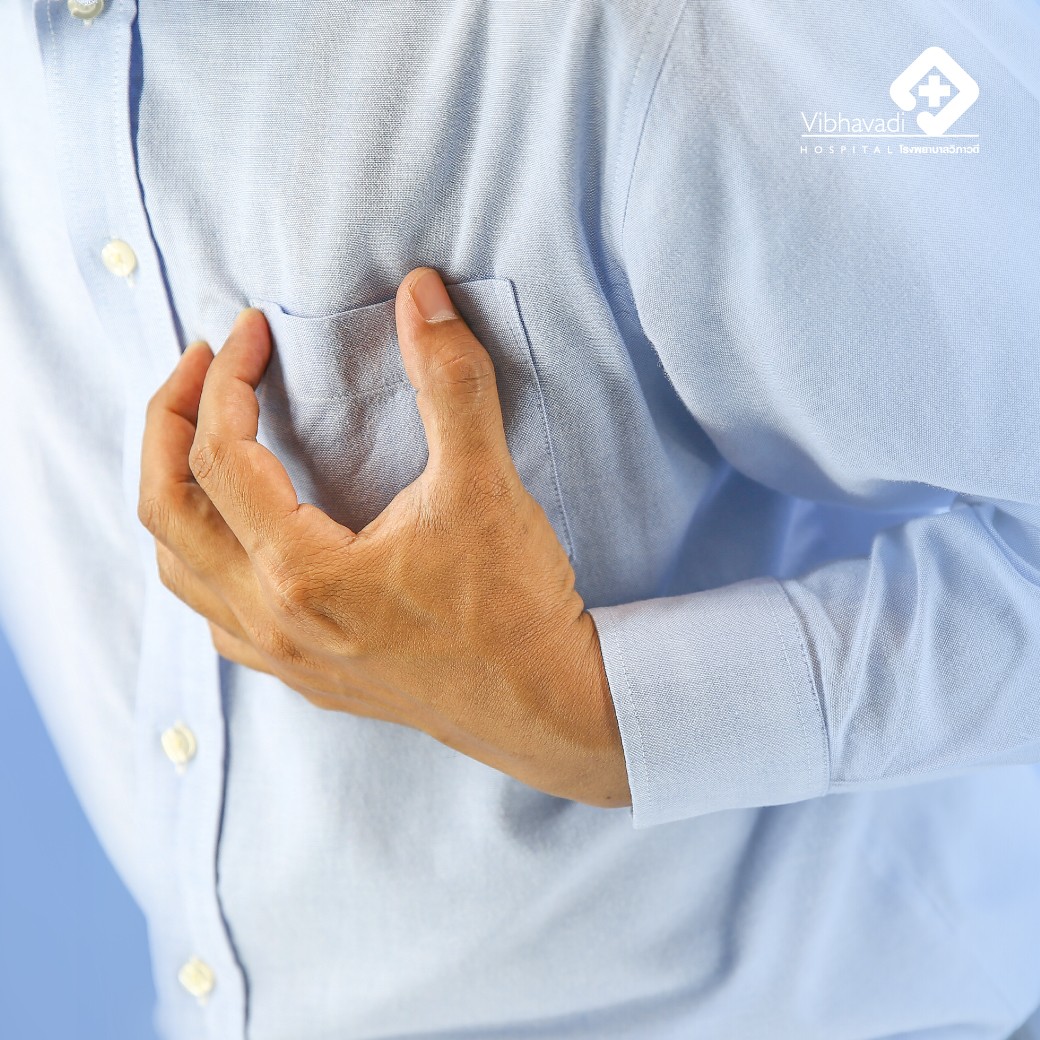
Chest tightness or pressure is a key symptom of coronary artery disease.
It may feel like heaviness, squeezing, or compression in the center or left side of the chest, often triggered by exertion or stress and relieved by rest.
Pain may radiate to the left arm, shoulder, neck, jaw, or upper abdomen.
Chest pain lasting more than 15–20 minutes, even at rest, requires immediate medical attention.
2. Easy Fatigue from Heart Failure
When the heart cannot pump effectively, blood and fluid accumulate in the lungs and body.
Early signs include reduced exercise tolerance, shortness of breath, and fatigue during daily activities.
3. Palpitations or Irregular Heartbeat
Heart rhythm disorders may cause rapid, slow, or irregular heartbeats.
Patients may feel pounding, fluttering, skipped beats, dizziness, or fainting.
Severe arrhythmias can increase the risk of heart failure or sudden cardiac arrest.
4. Frequent Fainting or Loss of Consciousness
Fainting caused by heart disease occurs when blood flow to the brain is temporarily reduced.
It may result from severe arrhythmias or advanced valve disease and requires thorough evaluation.
5. Swollen Legs, Feet, or Rapid Weight Gain
Poor heart function can cause fluid retention, leading to ankle or leg swelling and rapid weight gain over a few days.
6. Excessive Sweating Without Exertion
Unexplained heavy sweating, especially when combined with chest discomfort or shortness of breath, may signal acute heart ischemia or shock.
7. Shortness of Breath When Lying Flat
Patients with heart failure may feel breathless when lying down and need multiple pillows to sleep comfortably.
8. Nighttime Breathlessness or Sleep Disturbance
Sudden awakening at night with severe shortness of breath (PND) indicates fluid buildup in the lungs and requires medical evaluation.
9. Abdominal Discomfort, Nausea, or Loss of Appetite
Heart disease may mimic digestive problems such as bloating, nausea, or indigestion, especially in silent ischemia or heart failure.
10. Unexplained Anxiety or Restlessness
Sudden anxiety or a sense of impending danger without emotional triggers may result from abnormal heart rhythms or oxygen deprivation.
Comprehensive Heart Checkups at Vibhavadi Hospital
Vibhavadi Hospital offers comprehensive heart health screening with cardiology specialists.
Services include ECG, echocardiography, exercise stress testing (EST), blood tests, and personalized risk assessment using advanced diagnostic technology.
Summary
Minor physical changes may be important warning signs that your heart is under strain.
Recognizing early symptoms such as chest tightness, fatigue, palpitations, or breathing difficulty allows early diagnosis and prevention.
Regular heart checkups are especially important for individuals with risk factors such as hypertension, diabetes, high cholesterol, smoking, or family history.
Vibhavadi Hospital provides complete cardiac care with expert specialists to help you live safely and confidently every day.
FAQ