Childhood Vaccination Guide: Schedule & Safety Tips
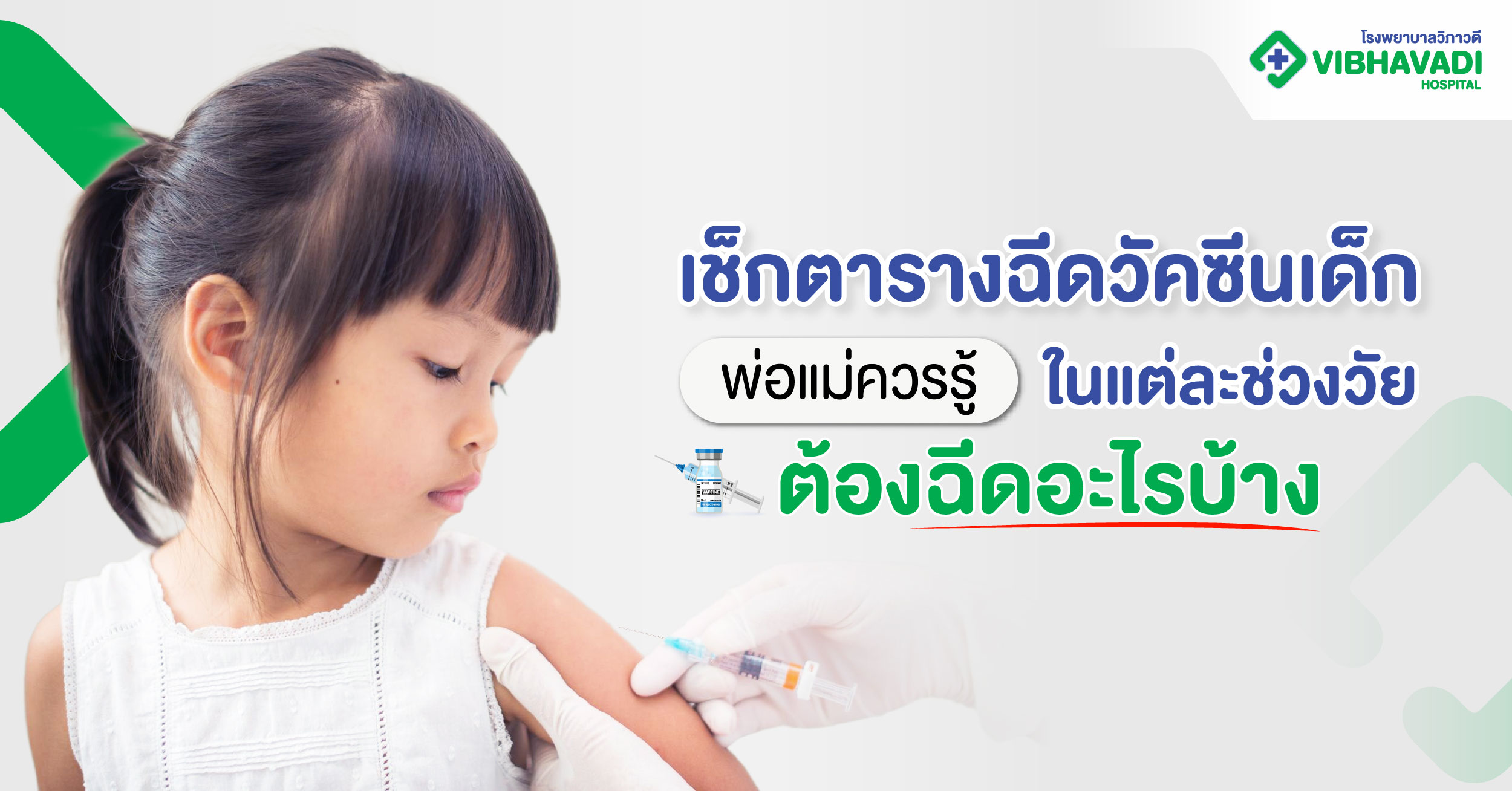
Vaccination for Children
In today’s world, especially after COVID-19, vaccination has become an important talking point. When it comes to Childhood vaccination it is essential to know its value and how it can help prevent children from serious and life threatening diseases. As soon as a baby is born, these vaccines can come into play to prevent a child from coming into contact with these life threatening diseases. With the advancements in modern medicine, vaccines have now helped children from disabilities, long-term illness and in some cases even death.
Why Vaccination Is Essential for Children
Vaccines are one of the most important things in healthcare in today’s world. It works by putting a harmless version of the germ in your body, which allows the immune system to train itself to fight the germ without causing any illness. This allows the body to make antibodies and memory cells, which are later used to fight the disease if a child comes in contact with it. Diseases like measles, polio, diphtheria and whooping coughs all have some form of vaccine to help the body fight them. Vaccines can also help reduce hospitalizations which ultimately helps reduce healthcare costs.
The Role of Vaccines in Preventing Illness
Vaccination can bring forward herd immunity, this is when most people are vaccinated for a certain disease and it is important in preventing outbreaks. Herd immunity also helps protect those that can't be vaccinated, whether it due to personal health issues or infants that can’t be vaccinated. Basically, high volume of vaccination rates help reduce the rate at which diseases spread.
Basic Knowledge About Vaccination
Vaccination starts at birth and continues through childhood, and vaccines require multiple doses for long-term prevention. Vaccines require years of trials, research and development, it is then continuously monitored to ensure its safety after being approved.
How Does Vaccination Work?
Antigens are introduced to the body to stimulate immunity, the antigens are inactive and weakened, hence not allowing the body to get the disease when they are introduced to an individual's immune system. The immune system then trains itself to create antibodies and memory cells, which come into play if the individual comes in contact with the disease post-vaccination.
How Vaccines Protect Children
Vaccines prepare a child's immune system before exposure, basically training the child’s immune system to fight the disease if need be. Vaccines can help a child’s immune system fight against life threatening complications such as pneumonia, meningitis and brain inflammation.
(Disclaimer: How a child’s body responds to the vaccine depends on their immune system and any pre-existing conditions, thoroughly consult a healthcare professional before each vaccine.)
Risks and Side Effects of Vaccines
Vaccines can cause side-effects, however most side effects are mild and temporary. These side effects include, but are not limited to, pain, redness, or swelling where the shot was given, mild fever, headache, feeling tired, and nausea, vomiting, diarrhea, or stomachache. Serious reactions are extremely rare, but close monitoring by a healthcare professional is essential.
When Should Children Be Vaccinated?
Vaccines are given to children when they are most vulnerable, national and international schedules of vaccinations are evidence based. Delaying vaccinations can increase risk of infections, thus following the schedule gives the child the best chance in fighting the disease if they ever come in contact with it.
Vaccination Schedule for Infants and Toddlers
- Birth: Hepatitis B to protect liver health
- 2 Months: Protection against multiple bacterial and viral infections
- 4 Months: Booster doses to strengthen immunity
- 6 Months: Continued protection + start annual flu vaccine
- 12 Months: Protection against measles, mumps, rubella, chickenpox
- 18 Months: Boosters to maintain long-term immunity
Medical History and Special Health Concerns
Careful evaluation is required for children with any immune disorders, a child's history with severe allergies must be discussed with the healthcare professional before receiving any shot. Doctors may adjust vaccine schedules based on an individual's health, most children can still end up getting vaccinated safely.
Signs of Vaccine-Preventable Diseases
- Measles: Fever, cough, runny nose, rash
- Mumps: Facial swelling, fever, headache
- Whooping Cough: Severe coughing fits with “whoop” sound
- Polio: Muscle weakness, breathing difficulty, paralysis
Above are some diseases that are preventable through vaccination, early recognition is vital therefore symptoms should not be ignored.
Pediatric Vaccination Services at Vibhavadi Hospital
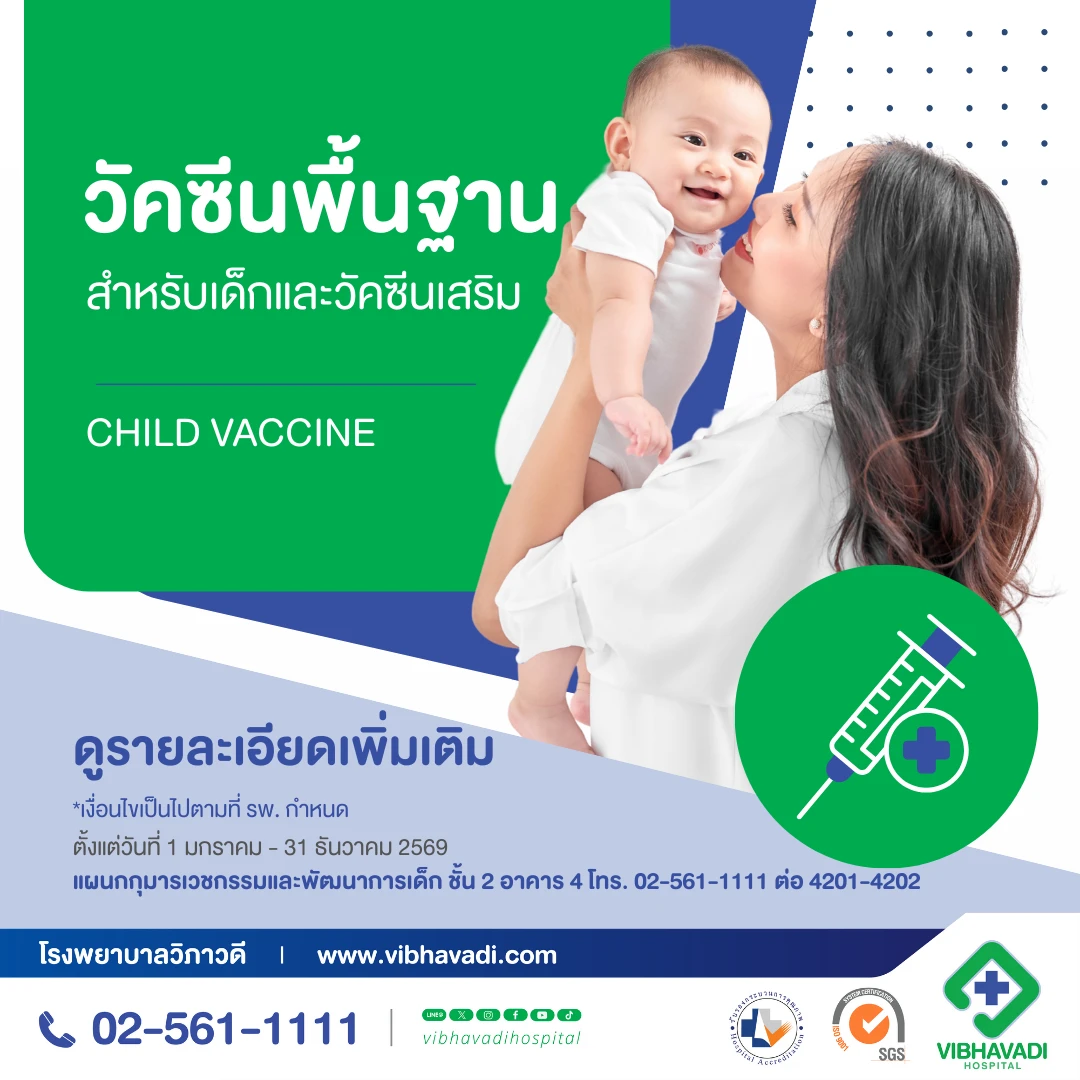
Vibhavadi hospital has a team of experienced pediatricians that focus on preventative pediatric healthcare. The hospital is committed to safe and effective vaccination, and provides a child friendly environment in order to make the child feel comfortable.
Frequently Asked Questions (FAQ)
Why is the polio vaccine injected at 4 months of age together with oral polio drops?
To prevent type 2 poliovirus, which the oral polio vaccine cannot protect against.
If a child does not receive all vaccines completely, is it necessary to start the vaccinations all over again?
If a child has not received all vaccines completely, it is not necessary to start over. The vaccinations can simply be continued until completed.
Can the BCG vaccine prevent pulmonary tuberculosis?
The BCG vaccine cannot completely prevent tuberculosis. This is because the BCG vaccine is made from a live attenuated bacterium, Mycobacterium bovis. Its purpose is to prevent disseminated tuberculosis and tuberculous meningitis in young children.
Should immunity be tested after hepatitis B vaccination, and which groups are recommended?
After completing the hepatitis B vaccination, children should have their immunity tested again, especially those aged 9–12 months, to confirm that they truly have immunity against the hepatitis B virus.
Can the HPV vaccine be given to boys?
Boys can receive the HPV vaccine. This vaccine helps prevent anal cancer and genital and anal warts.
Testimonials
Proud to take care of you
For more information and to make an appointment, please contact
02-058-1111
02-561-1111
ext 4201, 4221
Pediatrics Center, Vibhavadi Hospital We have pediatric specialists in all fields and pediatricians ready to provide care 24 hours a day.
- Location: 2nd Floor, Building 4, Vibhavadi Hospital 51/3 Ngamwongwan Road, Lat Yao Sub-district, Chatuchak District, Bangkok 10900
Map: https://maps.app.goo.gl/2Cp2QpqGC6AsSX868