Stroke Warning Signs, Types & Emergency Treatment
Stroke Disease
Introduction to Stroke Disease
Stroke is a serious and potentially life-threatening medical emergency that occurs when blood flow to a part of the brain is disrupted. Oxygen and nutrients being delivered through one's bloodstream are relied on by the brain for it to function properly. Brain cells begin to die when the supply is interrupted even for a minute. Permanent brain damage, disability or even death is the result if not treated properly.
It is essential to get diagnosed early and seek immediate medical care as this plays a vital role in improving an individual's recovery. Early warning signs can be recognized once an individual has an understanding about the causes, symptoms and treatment options for a stroke, it can also lead to individuals visiting the hospital at the correct time.
What is Stroke Disease?
When the blood supply to a certain part of the brain is blocked or when a blood vessel in the brain ruptures, this causes a stroke. The blood tissue is then affected when it's not getting the right amount of blood flow. This causes the lack of oxygen and nutrients to flow to the brain, hence killing or damaging brain cells.
Ischemic stroke and hemorrhagic stroke are the two primary types of stroke. They both can cause serious issues and they differ in terms of their causes and treatment approach.
Types of Stroke
Ischemic Stroke
The most common type of stroke is the ischemic stroke, this type accounts for around 85% of all cases. It occurs when a blood vessel is blocked, therefore not being able to supply oxygen and nutrients to the brain. A blood clot is the usual cause of this blockage, other causes include the buildup of fatty deposits in the artery, which is a condition known as atherosclerosis.
When the flow of blood is blocked or lessened, the affected area of the brain does not receive enough oxygen, this can therefore lead to the death of brain cells. It is essential to get immediate medical attention in order to restore circulation and minimize the damage it can do to the brain.
Hemorrhagic Stroke
When a weakened blood vessel in the brain bursts, this can cause bleeding in and around the brain, this is known as a hemorrhagic stroke. Brain cells and surrounding tissues are damaged by the accumulation of blood pressure inside the skull.
Common causes of hemorrhagic stroke include chronic high blood pressure, aneurysms, and arteriovenous malformations (AVMs). Severe and sudden headaches, along with other neurological symptoms, are often associated with this type of stroke
Symptoms of Stroke Disease
Depending on the area of the brain that is affected, stroke symptoms usually appear suddenly. It is essential to recognize these symptoms early and receive immediate medical attention.
Sudden numbness or weakness in the face, arm, or leg, especially on one side of the body is a common sign of stroke. Individuals going through this may have a hard time moving, controlling their limbs and may even have a noticeable facial droop.
Another common symptom is confusion and trouble speaking. Whether it's understanding speech, speaking clearly or forming proper sentences, all these can be difficult for an individual experiencing a stroke. Slurred speech is another early warning sign.
Issues with an individual's vision are another symptom. Whether blurred or double vision, or in some cases even the loss of vision, all these are symptoms linked to a stroke.
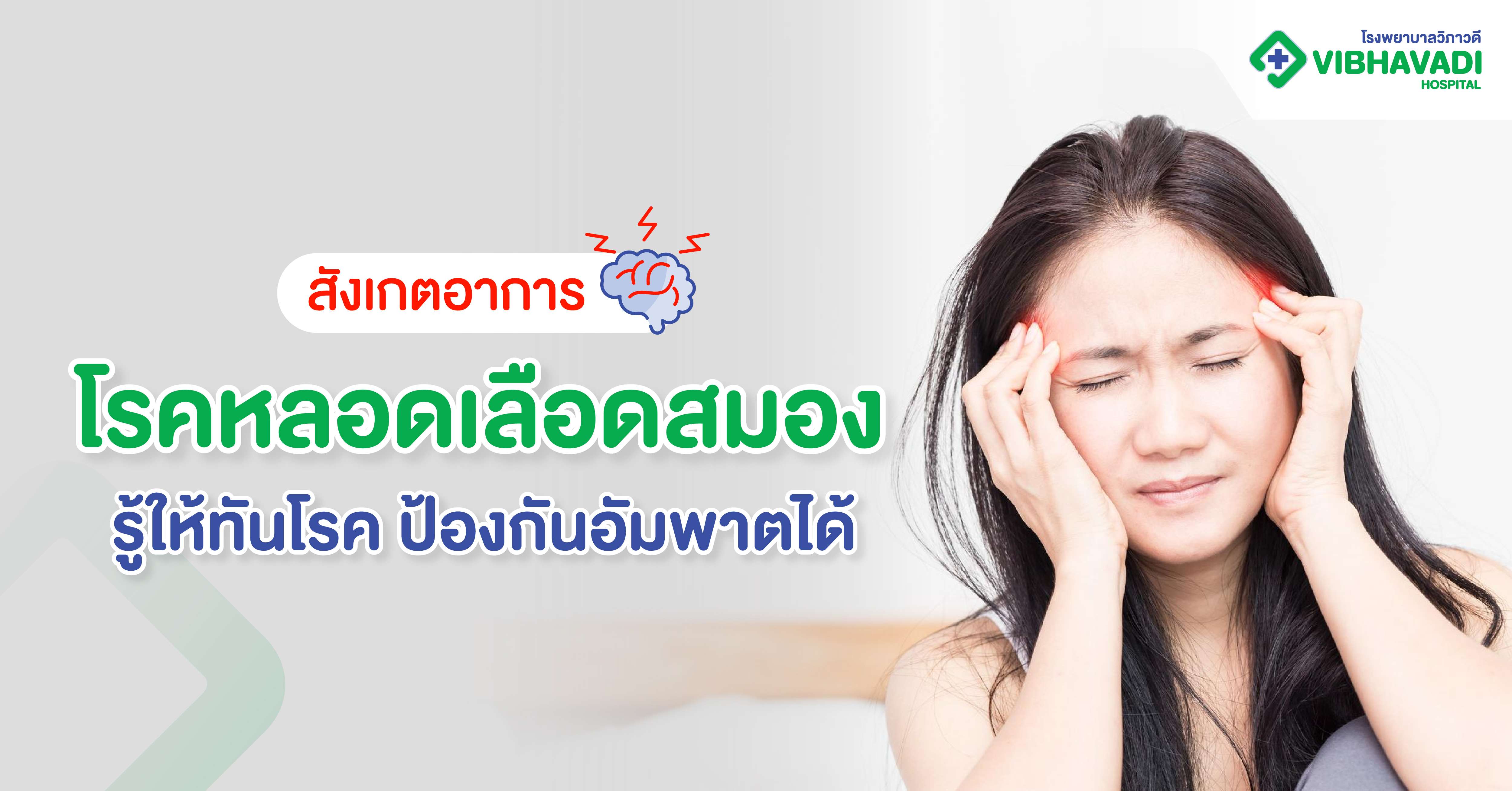
Severe or sudden headaches are another symptom that is often associated with hemorrhagic stroke; these can later be accompanied with nausea and vomiting.
Additionally, dizziness, loss of balance, or difficulty walking may occur due to impaired coordination. These symptoms can make it challenging to stand or move safely.
(Disclaimer: Symptoms are different for each individual; it is essential to seek immediate medical attention if you have any symptoms listed above.)
Risk Factors for Stroke Disease
An individual's risk of developing a stroke can increase due to several reasons. Some of these factors can be managed by changes in lifestyle, while others can’t be controlled.
Having high blood pressure is one of the leading risks for stroke. Over time, chronic hypertension can damage blood vessels, thus making them prone to blockage and ruptures.
The risk of blood clot formation increases when an individual has heart disease, especially conditions such as atrial fibrillation or heart failure. Blood clots may travel to the brain and block the blood flow, hence resulting in a stroke.
The narrowing and hardening of blood vessels due to diabetes also increases the risk of a stroke. The vascular system can be damaged by high blood sugar levels, thus reducing blood circulation to the brain.
High cholesterol levels can lead to the buildup of fatty deposits in the arteries, which may restrict blood flow and increase the likelihood of an ischemic stroke.
Things like smoking and excessive alcohol consumption can further increase the chances of an individual developing a stroke. Blood vessels get damaged from smoking, while blood pressure levels rise due to alcohol.
Another thing that plays a role when it comes to stroke risk is age and gender. Those above 55 years of age are at a higher risk of a stroke. Additionally, men are at higher risk earlier in life, while women are at higher risk later in life.
An individual's family history is another contributing factor to strokes. Those with cardiovascular disease within their family history have an increased risk especially when it's combined with other factors.
A bad diet and lack of physical activity are other factors that contribute to a stroke, as these can cause other issues like obesity, high blood pressure, diabetes and high cholesterol, all of which are linked to stroke.
Diagnosis of Stroke Disease
Rapid and accurate diagnosis is essential for determining the type of stroke and initiating the appropriate treatment.
A physical and neurological examination is typically conducted upon arrival at the hospital to assess reflexes, muscle strength, coordination, and speech ability.
The first imaging test that is used to assess an individual is a CT scan of the brain, this can help detect the presence of bleeding or signs of brain damage. Whether the stroke is ischemic or hemorrhagic is then determined by healthcare professionals.
In order to identify the area with reduced blood flow and a more detailed image, healthcare professionals use an MRI scan.
Blood tests may also be conducted to identify underlying conditions such as clotting disorders or infections that may have contributed to the stroke.
In some cases, a carotid ultrasound is used to evaluate the carotid arteries for narrowing or blockages that could increase stroke risk.
Treatment of Stroke Disease at Vibhavadi Hospital
Vibhavadi Hospital houses a team of healthcare professionals and equipment that can diagnose, treat and help with recovery when it comes to stroke disease.
The type and the severity of the stroke dictates the type of treatment that will be used. It is essential, however, in every case that immediate medical attention is given to the individual. This helps minimize brain damage and also improves recovery.
Restoring the blood flow to the brain is the number one goal when it comes to ischemic stroke. These treatments could involve thrombolytic medications, which help dissolve blood clots. A mechanical thrombectomy procedure can be used in more severe cases.
For hemorrhagic stroke, treatment focuses on controlling bleeding and reducing pressure within the brain. For ruptured blood vessels or to remove accumulated blood, surgical procedures may be required.
In order to manage blood pressure, control cholesterol and prevent future clot formation, medications can be prescribed to individuals.
Frequently Asked Questions (FAQ)
Q1: What are the main types of stroke?
A1: The main types of stroke are ischemic stroke (caused by a blockage of blood flow) and hemorrhagic stroke (caused by bleeding in the brain).
Q2: How can I reduce my risk of stroke?
A2: To reduce your risk, maintain a healthy lifestyle with regular exercise, a balanced diet, and avoid smoking and excessive alcohol. Managing blood pressure, cholesterol, and diabetes is also important.
Q3: What should I do if I suspect someone is having a stroke?
A3: If you suspect someone is having a stroke, call emergency services immediately. Time is critical in stroke treatment, and the sooner the person receives medical attention, the better the chance of a full recovery.
Q4: What is the recovery time after a stroke?
A4: Recovery time varies depending on the severity of the stroke and the effectiveness of treatment. Some individuals may recover within weeks, while others may require months of rehabilitation.
Q5: Does Vibhavadi Hospital offer stroke rehabilitation services?
A5: Yes, Vibhavadi Hospital offers comprehensive stroke rehabilitation services, including physical, speech, and occupational therapy to help patients regain their functional abilities.
Testimonials
Proud to take care of you