What is a Gastroscopy? Procedure, Risks & Recovery
Gastroscopy
Digestive discomforts are common, however if issues and symptoms are persistent, it could be something more. Gastroscopy is a key procedure when it comes to diagnosing the upper digestive tract, it helps doctors identify issues early and accurately. A gastroscopy procedure involves the examination of various different organs including, the esophagus, stomach and the small upper intestine. Gastroscopy is a widely used procedure and can be seen as a routine procedure of intestinal issues.
What Is Gastroscopy?
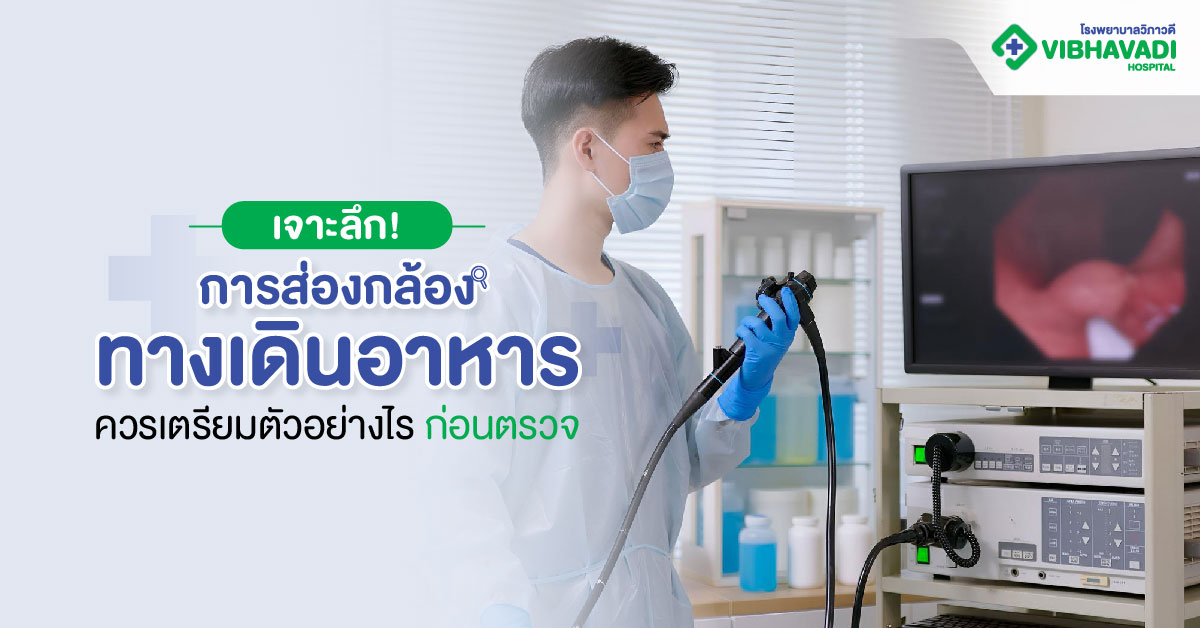
Gastroscopy or also called upper endoscopy or esophagogastroduodenoscopy, is when a doctor inserts a flexible tube that is attached with a camera and a light in order to examine an individual's esophagus, stomach and upper small intestine. A real time image of an individual's organ is projected onto the screen so doctors can have a clear view of any issues. Gastroscopy is not only used for examination, in some cases it can also be used to remove tissue samples and in some cases to perform treatments.
Common Reasons for Gastroscopy
When symptoms like upper abdominal pain, difficulty swallowing or acid reflux are present and don’t go away with the use of medication, doctors will resort to gastroscopy in order to further diagnose the issue. Symptoms like these can point to issues like GERD, irritation of the esophagus and even inflammation or ulcers. Other cases where gastroscopy is used for further investigation is nausea, vomiting blood and black stools. Performing a procedure in these cases allows doctors to learn more about their patients' issues, thus coming up with an accurate treatment plan.
How the Gastroscopy Procedure Works
Preparation Before the Procedure
In order for the stomach to be visibly clear it is important for patients to fast for 6 to 8 hours in order to have an empty stomach. Some medications like blood thinners will need to be avoided before the procedure as well. In some cases, consent forms will need to be signed along with pre-procedure assessments. Healthcare professionals will be able to answer your questions and help you throughout your gastroscopy procedure.
During the Procedure
- A local anesthetic spray is applied to the throat to numb the area and reduce the gag reflex.
- Sedation may be administered to help the patient relax and remain comfortable during the procedure.
- A thin, flexible gastroscope with a camera and light is gently inserted through the mouth.
- The scope is carefully guided into the esophagus, stomach, and upper part of the small intestine (duodenum).
- Real-time images are displayed on a monitor for detailed examination.
- The doctor examines the lining for signs of inflammation, ulcers, bleeding, narrowing, or abnormal growths.
- Small tissue samples (biopsies) may be taken painlessly if any abnormalities are detected.
- The entire procedure typically takes about 15–30 minutes.
Recovery After Gastroscopy
- Patients are monitored in a recovery area until the effects of sedation wear off.
- Vital signs are observed to ensure patient stability before discharge.
- Mild, temporary side effects may occur, including:
- Throat irritation
- Bloating or gas
- Drowsiness
- Throat irritation
- Most patients can resume normal daily activities on the same day.
- Patients who received sedation should not drive or operate machinery for the rest of the day.
- Arrangements should be made for transportation home following the procedure.
Gastroscopy Services at Vibhavadi Hospital
Vibhavadi hospital houses a Gastroenterology and Hepatology Unit, where doctors use high-definition imaging tests in order to get detailed visuals on the patients' issues. Early diagnosis of any conditions go a long way as they help prevent any major issues in the future. The hospital also offers an on-site laboratory and pathology services for biopsy analysis. Vibhavadi hospital has a team of professional gastroenterologists that prioritize patient safety and have experiences with working on up-to -date tools in the medical world
Frequently Asked Questions (FAQ)
If you have questions about gastrointestinal endoscopy, we have compiled the following frequently asked questions and answers to help you understand the procedure.
Q: Is gastrointestinal endoscopy necessary?
A: A physical abdominal examination by palpation cannot provide detailed information about pathologies inside the stomach and large intestine. Therefore, gastrointestinal endoscopy is often necessary because it allows the physician to directly observe and more accurately diagnose diseases or abnormalities within these organs.
Q: What can gastrointestinal endoscopy detect?
A: Gastrointestinal endoscopy is an internal examination of the digestive tract in which a flexible scope is inserted through the mouth into the esophagus, stomach, and the first part of the small intestine. It can identify causes of disease such as stomach ulcers (a common source of upper abdominal pain), and can also be used to diagnose other conditions of the digestive system.
Q: Does gastrointestinal endoscopy require anesthesia?
A: Endoscopy is performed using a small camera to visualize lesions and make detailed diagnoses. Nowadays, sedative medications or anesthesia are commonly used to reduce patient anxiety and discomfort, which helps the procedure proceed smoothly.
Q: How long does it take to get the results of a gastrointestinal endoscopy?
A: In some cases, patients may receive sedatives or short-acting sleep medication to help them relax during the procedure. The endoscopy itself typically takes about 10–15 minutes. After the procedure, patients usually recover in a recovery area for 1–2 hours and can receive the preliminary results on the same day.
Testimonials
Proud to take care of you