Frozen Shoulder: Symptoms, Stages, & Treatment Options

Frozen Shoulder
The shoulder is essential when it comes to one's daily life, from lifting things to opening doors, the shoulder is in motion for everything. Frozen shoulder, also known as adhesive capsulitis, is when the shoulder joint becomes too stiff and painful, hence limiting movement. The symptoms gradually build up and can last years if gone untreated.
What Is Frozen Shoulder?
When one's shoulder is inflamed and thickened it can lead to many problems, one of that is known as frozen shoulder. The inflammation causes the tissues to tighten, reducing space in the joint and limiting movement. The conditions can significantly affect daily activity, from reaching for things, dressing up and even lifting objects.
Symptoms of Frozen Shoulder
Common Symptoms
People with frozen shoulders typically experience the following symptoms. Persistent shoulder pain, this occurs especially at night or when laying on the injured side. Stiffness is another symptom and this causes basic movements to be difficult. On top of that it also causes a limited range of motion such as difficulty in raising your arm or rotating it outward. The mobility only gets worse when the pain gets worse progressively. These symptoms usually appear slowly and worsen over several months.
Stages of Frozen Shoulder
The first stage is the freezing stage, this stage comes with increasing pain on the shoulder. After that stiffness sets in and mobility starts to decrease. Pains are intense and sharp, especially at night. This stage can last months, with conditions gradually worsening overtime. The next stage is the frozen stage. In this stage the pain decreases but stiffness increases. Daily tasks become harder due to the stiffness of the shoulder and the low mobility. Depending on the patient, this stage can last 4-6 months. The next stage is the thawing stage. As the shoulder capsule loosens mobility gradually returns. In this stage flexibility starts to return and pain decreases, depending on the consistency of your treatment.
Causes and Risk Factors
Causes
Frozen shoulder occurs when the inflammation of the shoulder capsule leads to swelling and irritation. The joints then become tighter due to the scar tissue formation in the capsule. This also limits the movements of joints due to the thickening and contraction of ligaments.
Risk Factors
This condition usually occurs to people in their 40’s and above. Diabetes, thyroid disorders, hormonal imbalances and other conditions that make one more prone to swelling are also in the high risk group when it comes to frozen shoulders. Additionally, your medical history like previous surgeries or injuries to the shoulder can also put an individual in the high risk category. Lastly, prolonged immobility, like using a sling after an injury or limiting the use of your arm can also lead to developing frozen shoulder conditions.
Diagnosis and Treatment at Vibhavadi Hospital
How We Diagnose Frozen Shoulder
Vibhavadi hospital has a team of professional doctors and healthcare specialists that can help diagnose and treat frozen shoulder conditions. The diagnosis starts with physical examination of the patient's shoulder, this is done to assess the stiffness, mobility and pain patterns. X-rays are then conducted to rule out possibilities of other conditions like arthritis and bone related conditions. An MRI could also be required if your doctor suspects soft tissue problems or inflammation in the shoulder capsule. These multiple step diagnoses are done so your doctor can tailor the treatment plan towards your condition.
Treatment Options Available
Non-Surgical Treatments
Frozen shoulders can be treated in two different ways, surgical and non-surgical. Non surgical methods include anti-inflammatory medications to help reduce the swelling and discomfort. Pain relievers can also be used in order to ease the pain. Additionally, individuals can also go through physical therapy, which plays an important role in restoring movement and flexibility. Steroid injection is another non-surgical method, this helps decrease inflammation inside the shoulder joint and speeds up recovery.
Minimally Invasive & Surgical Options
If symptoms do not improve with conservative treatments, specialists may recommend advanced procedures such as:
- Hydrodilatation (joint distension), where fluid is injected into the joint capsule to gently stretch it and restore movement
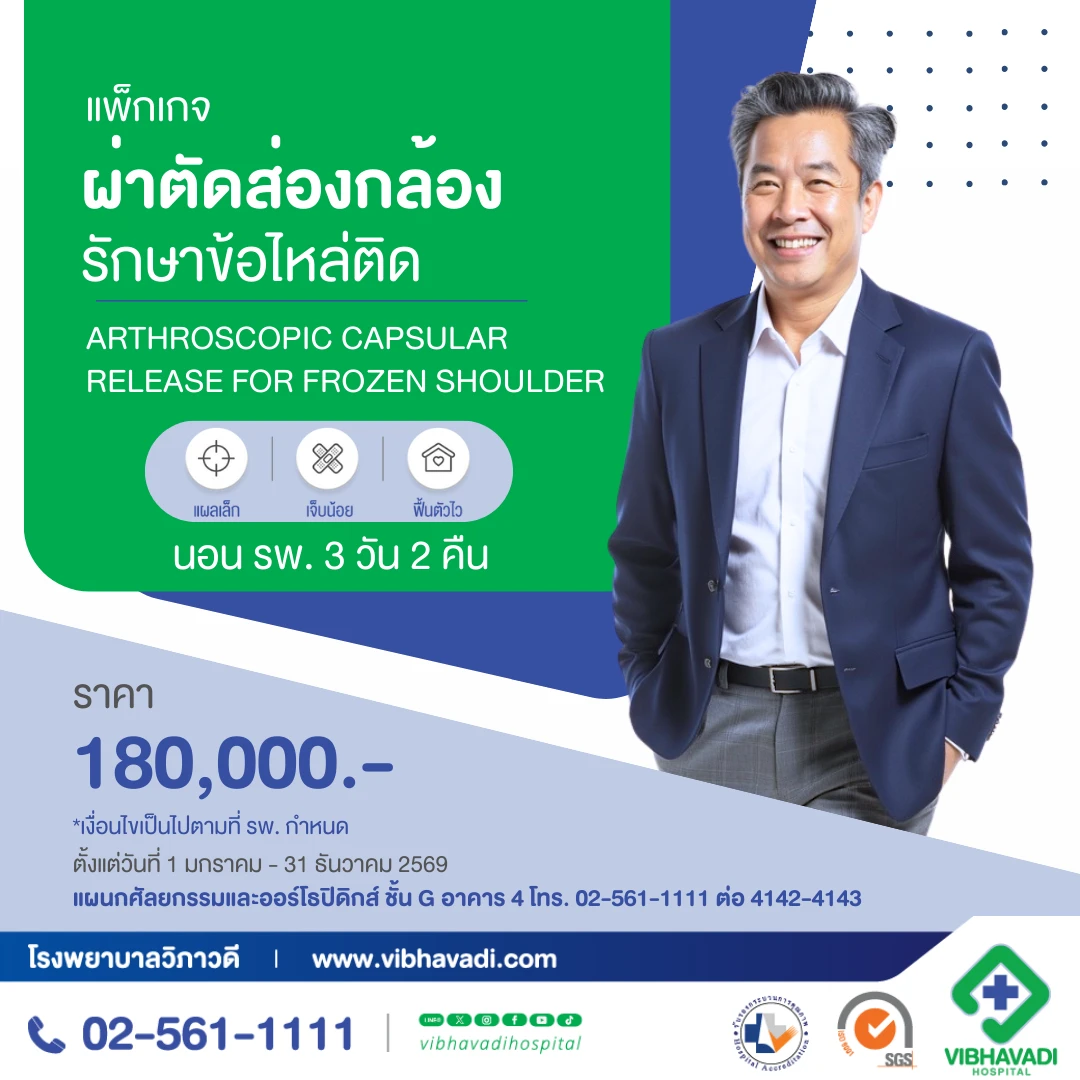
- Arthroscopic surgery, a minimally invasive procedure where scar tissue and adhesions are removed to increase mobility
These procedures are performed by skilled orthopedic surgeons using modern equipment, ensuring patient safety and quicker recovery
FAQ
This article gathers frequently asked questions about frozen shoulder, with answers from physicians to help clarify common concerns.
Q: What medications can be taken for frozen shoulder?
A: Patients with frozen shoulder are usually advised to take pain relievers or NSAIDs (nonsteroidal anti-inflammatory drugs) to reduce pain and inflammation.
Q: Can massage help frozen shoulder?
A: Yes, but the massage should focus on breaking down fibrosis/adhesions, since frozen shoulder is caused by fibrous tissue that restricts the shoulder joint. Massage should be performed by a professional therapist and only after a medical assessment to identify the specific areas of fibrosis so treatment can be targeted.
Q: How long does it take to recover from frozen shoulder?
A: Treatment for frozen shoulder typically takes about 12–18 months. Patients need patience and regular follow-up treatment to achieve the best outcomes.
Q: Which exercises are effective for relieving frozen shoulder?
A: Recommended exercises include:
-
Pendulum swings (clockwise and counterclockwise arm swings)
-
Shoulder abduction/stretching exercises
-
Anterior chest/shoulder stretches
-
Stick (wand) raises (using a stick or wand to assist range-of-motion exercises)
Testimonials
Proud to take care of you