Bone Fractures
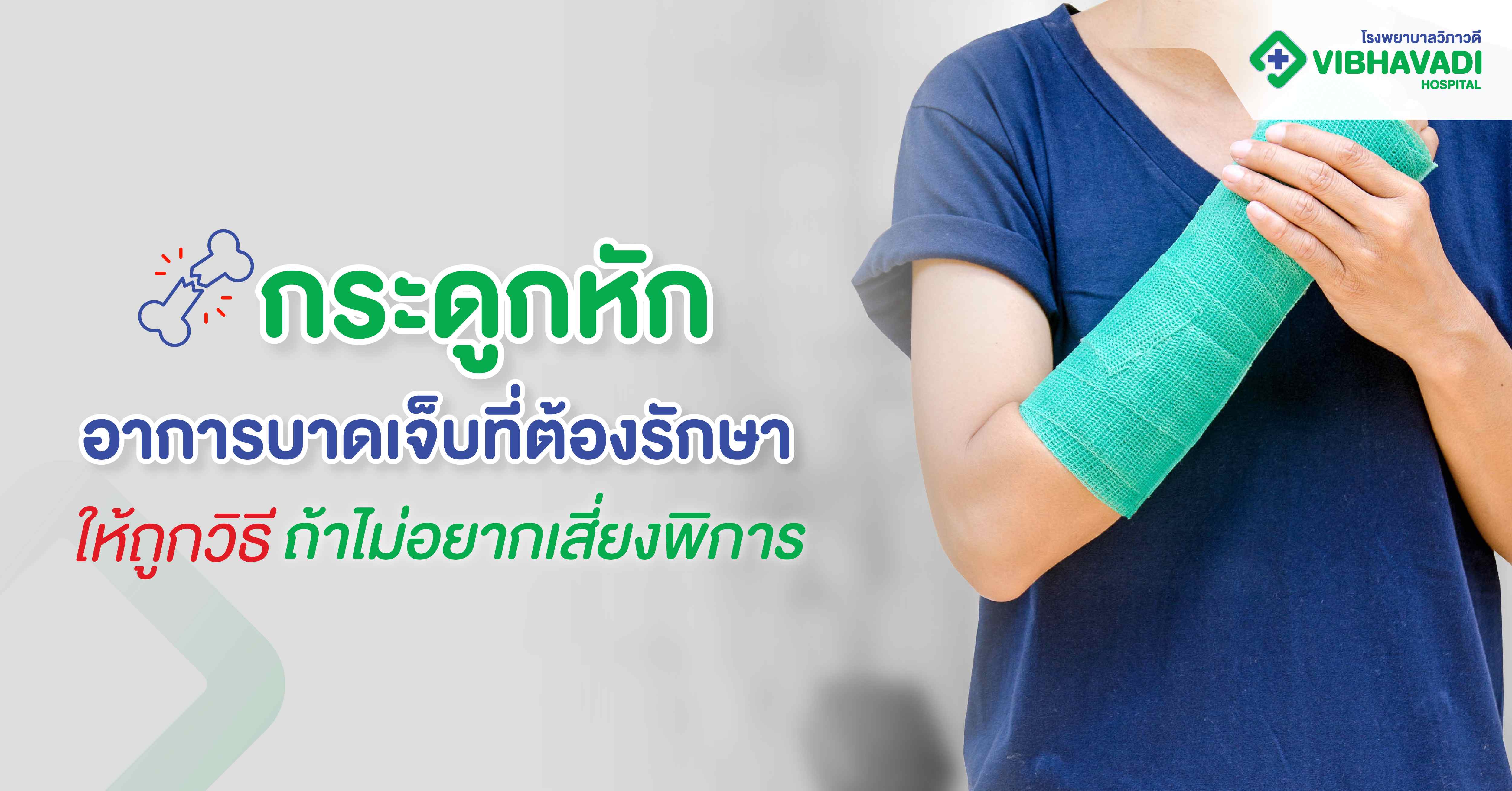
Whether it’s from sports, accidents or just everyday activities, a bone fracture can happen from any kind of strong impact. Additionally, having a disease that weakens your bones can also make one more prone to bone fractures. Fractures can range from hairline breaks, which are considered small breaks, to complete breaks that ultimately separate the bone into two or more parts. The affected area may swell, causing intense pain which leads to difficulty in movement. It is important to seek immediate medical attention when suffering a potential fracture, in order to prevent long-term complications and for the bone to heal properly.
Understanding Bone Fractures
When a bone fractures it can range in severity, from hairline fractures to complete breaks. This happens when the bone is subjected to a force stronger than it can withstand. A partial fracture of the bone is when the bone cracks but does not break all the way through. The pieces do not fully separate and the structure of the bone remains intact. On the other side, a complete fracture of the bone is when the bone breaks entirely and it is separated into two or more parts. A complete fracture causes significant pain, swelling and difficulties in moving around.
When one suffers from a fractured bone, it can severely impact their daily lives. From difficulties in movement to swelling and pain, all these are effects of a fractured bone. If an individual with a fractured bone does not get immediate medical attention they can suffer future complications. This includes: improper bone healing, chronic pain, infections or long-term disability. Proper care is required to make sure the bone heals correctly and to help restore normal functionality.
Common Symptoms of Bone Fractures
- Severe pain and tenderness
- Swelling, redness, or bruising
- Difficulty or inability to move the affected area
- Grinding or cracking sounds
- Numbness or tingling sensations
- Visible deformity or open wound in severe cases
Causes of Bone Fractures
Bone fractures can come from direct or indirect trauma that includes sports injuries, falls and accidents. On the other hand, medical conditions can also cause bones to easily fracture. Among these conditions are osteoporosis and bone tumors. Lastly, overuse or repetitive strain to a single area of a bone can lead to stress fractures.
Types of Bone Fractures
Closed Fractures are when the bone breaks but does not pierce the skin, while an open fracture is when the bone goes through the skin.
Based on Fracture Pattern
- Simple Fracture - A clean break into two pieces.
- Compression Fracture - Bone collapses or is crushed, often in the spine.
- Comminuted Fracture - Bone breaks into several pieces.
- Spiral Fracture - Caused by twisting force, creating a spiral-shaped break.
- Greenstick Fracture - Bone bends and cracks; common in children.
- Avulsion Fracture - A small piece of bone is pulled off by a tendon or ligament.
- Transverse Fracture - A straight, horizontal break across the bone.
- Oblique Fracture - A diagonal break across the bone.
- Impacted Fracture - Broken bone ends are pushed into each other.
- Stress Fracture - Small hairline crack from repetitive strain.
- Pathologic Fracture - Break caused by weakened bones due to a medical condition.
High-Risk Groups for Bone Fractures
Elderly individuals are in a high-risk group of bone fractures due to the decrease of bone density. On the other hand, children are prone to bone fractures because their bones are still developing. Those prone to high impact activities like athletes are also in the high risk group of bone fractures. Diseases like osteoporosis, which weakens the bone, and other bone related diseases also put individuals in higher risk of getting bone fractures.
First Aid for Bone Fractures
- Avoid moving or realigning the bone
- Cut clothing around the injury instead of pulling
- Apply a cold compress to reduce swelling
- Immobilize the area using a splint if possible
- Keep the person calm and still
- Seek medical help immediately
Diagnosis of Bone Fractures
Firstly the doctor has to understand how the injury occurred, once that is done the doctor will then conduct a physical examination. Imaging tests are then conducted to get a better picture of exactly where the injury has occurred. These tests include, X-rays, CT scans, MRI, bone scans and ultrasound. Each test is used for its own purpose with X-rays being the primary tool, CT scans for complex fractures and ultrasounds for small or hidden fractures.
Treatment of Bone Fractures
Non-Surgical Treatment
Splinting - A temporary support used to stabilize the injured area and limit movement, often used immediately after injury or for minor fractures.
Casting - A hard protective shell placed around the injured limb to keep the bone in proper position while it heals. It’s commonly used for most stable fractures.
Traction - A method that gently pulls on the bone to realign it. It’s often used for certain hip, leg, or spine fractures before further treatment.
Physical Therapy and Rehabilitation - Once the bone begins healing, physical therapy helps restore strength, flexibility, and full movement. Rehab reduces stiffness and ensures proper recovery.
Surgical Treatment
When surgery is necessary
Surgery is typically required for fractures that are severely displaced, unstable, or involve the bone breaking through the skin (open fractures). It may also be needed when the bone cannot heal correctly using non-surgical methods.
Common surgical options:
Intramedullary Nails
Metal rods inserted into the center of long bones (such as the femur or tibia) to stabilize the fracture from the inside.
Plates and Screws
Metal plates are attached to the outer surface of the bone and secured with screws to hold broken pieces in the correct alignment.
External Fixators
Metal rods and pins placed outside the body and connected to the bone through small incisions. They keep the fracture stable, especially in severe or open fractures.
Recovery and Rehabilitation
After your medical procedure, whether surgical or non surgical, it is important to take rest and go through physical therapy. It is also important to prevent complications by taking care of any infections, bone deformity and stiffness. Additionally individuals can boost their recovery by using nutritional tips for bone healing from health experts, this includes calcium, vitamin D and protein.
When to Seek Medical Help
- Persistent pain or swelling after an injury
- Inability to move or bear weight
- Visible deformity or bone protrusion
- Signs of infection (fever, redness, oozing wound)
Bone Fracture Care at Vibhavadi Hospital
Vibhavadi Hospital has a team of professional bone doctors and facilities that can help patients with bone issues like bone fractures. Additionally, doctors provide treatments that are tailored to each individual's diagnosis. Long term treatment like recovery and prevention methods can also be treated by the professionals at Vibhavadi Hospital.
Testimonials
Proud to take care of you